



Rupiah Weakens Again Against U.S. Dollar After Brief Rebound
- 02 Jun 2026 11:39 WIB
- Voice of Indonesia
Key Points
- Rupiah opened weaker at IDR 17,883 per dollar, pressured by stronger USD amid Iran tensions and robust U.S. manufacturing data.
- BI maintains stabilization via bond market; analysts expect interest rate at 5.25 percent through 2026 to support capital inflows.
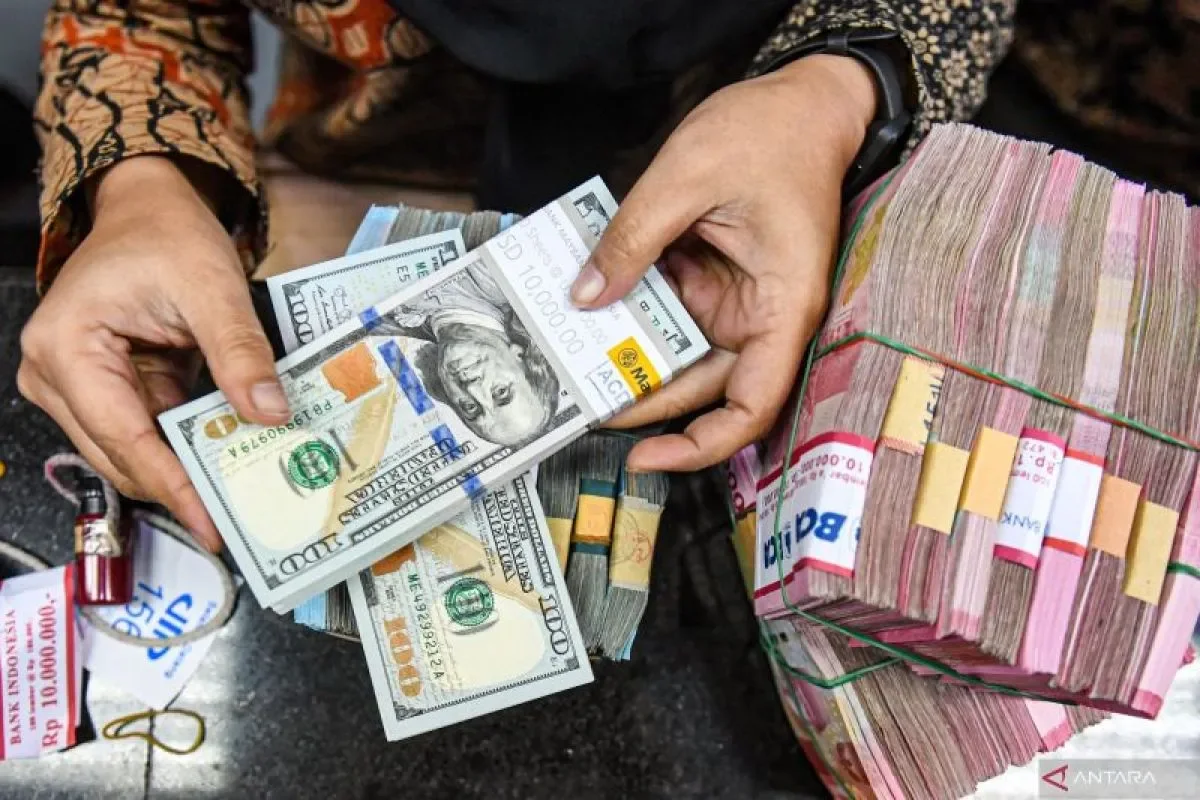
RRI.CO.ID, Jakarta – The rupiah slipped back against the U.S. dollar at the opening of trade today, May 2, 2026, after an unexpected rebound on Monday, May 1. The currency had strengthened 0.43 percent, or 76 points, to IDR 17,805 per dollar yesterday.
According to Bloomberg data, the rupiah opened Tuesday down 0.44 percent, or 78 points, plunging to IDR 17,883 per dollar.
Money market analyst Lukman Leong at Doo Financial Futures warned that the rupiah remains at risk of further weakness. “The risk stems from the stronger U.S. dollar, which gained after Iran announced it was halting peace talks with the U.S.,” he said.
Iran’s plan to fully close the Strait of Hormuz and stronger‑than‑expected U.S. manufacturing data also supported the dollar’s rise. Lukman projected the rupiah to trade between IDR 17,800–17,900 today, with the U.S. dollar index at 99.20.
Another money market analyst, Jessica Tasijawa, at Mirae Asset Sekuritas, noted that the rupiah remains under pressure. In May 2026 alone, the currency depreciated by 3.1 percent, while the U.S. dollar index slipped to 99.
“This reflects persistent external uncertainty, along with seasonal foreign exchange demand for dividend repatriation and Hajj expenses,” she said.
Bank Indonesia (BI) has responded with stabilization measures in the government bond market. Yields on two‑year bonds rose to 6.7 percent, while 10‑year yields held at 6.72 percent, flattening the yield curve.
Jessica added that BI is likely to keep its benchmark interest rate at 5.25 percent through the end of 2026 to maintain attractive yields and support capital inflows.
She noted that rupiah stability could improve in the second half of the year as seasonal pressures ease. The implementation of new rules on the placement of natural resource export proceeds from natural resources (DHE SDA) is also expected to strengthen domestic foreign exchange liquidity and support the rupiah. (Gusti Panji)
News Recomendation
Loading latest news.....