



Rupiah Strengthens as US-Iran Ceasefire Eases Market Pressure
- 29 Mei 2026 11:05 WIB
- Voice of Indonesia
Key Points
- Indonesian rupiah strengthened after reports of a proposed 60-day US-Iran ceasefire helped ease global market tensions and lower oil prices.
- Analysts warn that domestic fiscal pressures and uncertainty over government policies could still weigh on the rupiah in the coming months.
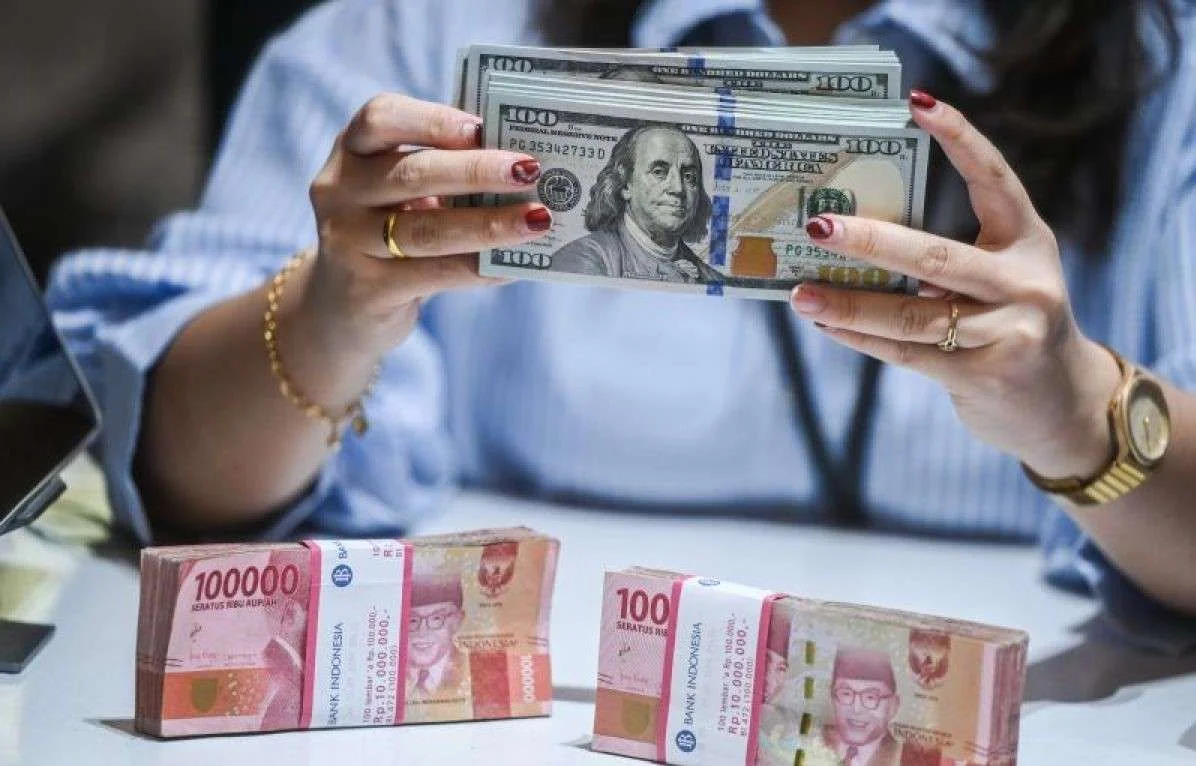
RRI.CO.ID, Jakarta - The Indonesian rupiah strengthened against the US dollar on Friday morning, May 29, 2026, after reports of a proposed 60-day ceasefire agreement between the United States and Iran helped calm global financial markets and lower oil prices.
The rupiah gained 32 points, or 0.18 percent, to trade at IDR 17,814 per US dollar, compared with the previous close of IDR 17,846 per dollar.
Analyst Rully Nova of Bank Woori Saudara, said the currency was supported by easing geopolitical tensions following reports of a draft ceasefire deal between Washington and Tehran.
“The rupiah is expected to strengthen in the IDR 17,800-IDR 17,860 range, influenced by global factors including a new 60-day ceasefire agreement between the US and Iran that pushed oil prices below USD 100 and softened the dollar index,” Rully said in Jakarta on Friday, May 29, as quoted by Antara.
According to reports cited from Anadolu Agency, the United States and Iran have agreed on a draft 60-day arrangement, although US President Donald Trump has not yet given final approval.
The broader negotiations are expected to address Washington’s demands regarding Iran’s nuclear program. Under the draft memorandum, commercial shipping through the Strait of Hormuz would remain unrestricted, while Iran would remove naval mines and avoid imposing levies or interference on passing vessels.
| Baca juga: Oil Prices Rise, Markets Stay Resilient |
The proposal also includes gradual lifting of the US naval blockade, commitments from Iran not to pursue nuclear weapons, and discussions on reducing sanctions and releasing frozen Iranian assets. Humanitarian aid deliveries to Iran would also be facilitated under the framework.
Despite the positive external sentiment, analysts warned that domestic risks continue to weigh on the rupiah. Rully said concerns remain over Indonesia’s fiscal condition and policy uncertainty.
He noted that the government’s fiscal consolidation plans, including financing large-scale programs such as the free nutritious meal initiative and village cooperatives, could create pressure if not managed carefully.
Rully also cautioned that efforts to shield domestic consumers from rising global oil prices by limiting price adjustments could carry economic risks and potentially put further strain on the rupiah. ***
News Recomendation
Loading latest news.....