



Bank Indonesia Tightens Dollar Limits for Rupiah Stability
- 19 Mei 2026 04:29 WIB
- Voice of Indonesia
Key Points
- Bank Indonesia will lower the monthly limit for U.S. dollar purchases without supporting documents to USD 25,000 per buyer starting June 2026 to strengthen rupiah stability.
- The policy is part of broader monetary measures, including foreign exchange intervention, bond purchases, and tighter oversight of large dollar transactions by banks and corporations.
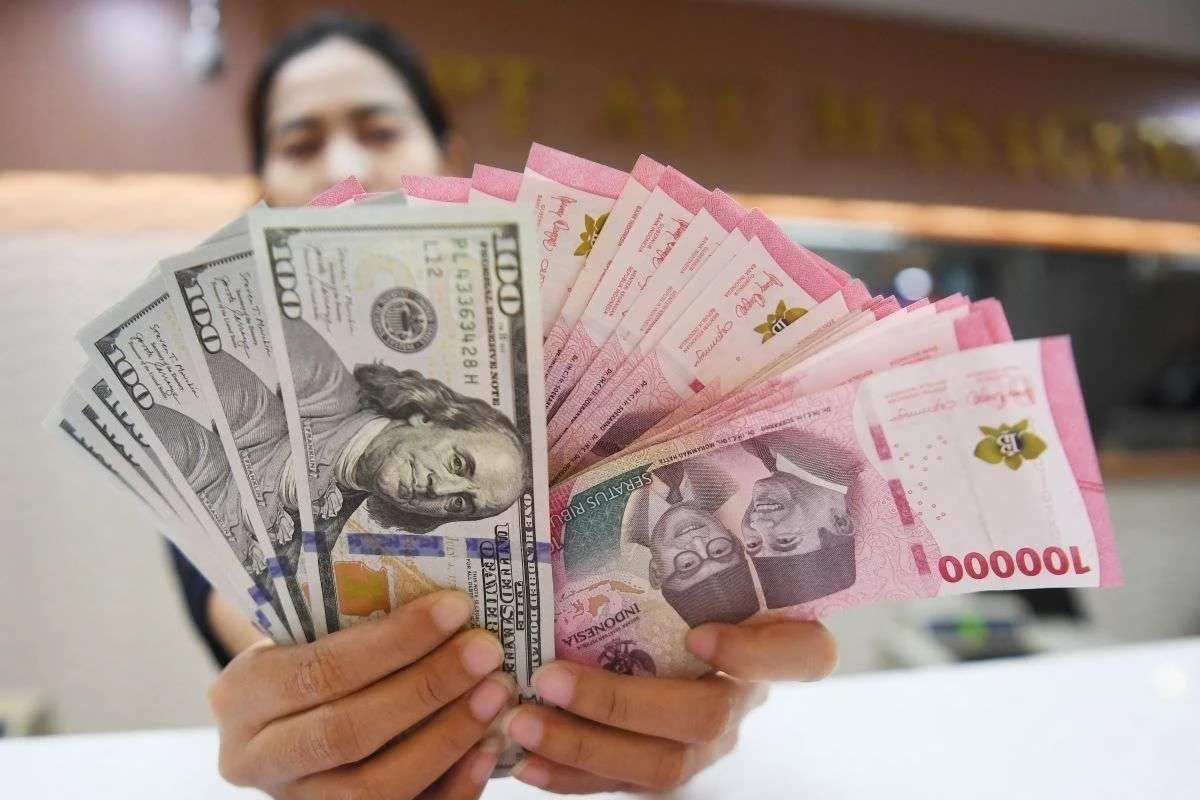
RRI.CO.ID, Jakarta - Bank Indonesia (BI) will further tighten restrictions on U.S. dollar purchases without supporting documents starting in June 2026, as the central bank intensifies efforts to stabilize the rupiah amid ongoing global market volatility and geopolitical tensions.
BI announced that the stricter limit on U.S. dollar purchases without underlying documents will take effect in June 2026, reducing the cap to a maximum of USD 25,000 per individual or entity each month.
BI Governor Perry Warjiyo said during a hearing with House of Representatives Commission XI in Jakarta on Monday, May 18, 2026, that the measure aims to ensure foreign currency purchases are based on real economic needs while helping stabilize the rupiah.
“The limit for dollar purchases, which was previously USD 100,000 and later reduced to USD 50,000 starting in April, will be lowered again to USD 25,000 beginning in June,” Perry said, as quoted by Antara.
The central bank had already tightened foreign exchange transaction rules in April 2026 by lowering the threshold for dollar purchases without supporting documents from USD 100,000 to USD 50,000 per month.
According to Perry, purchases of dollars without underlying documents are still permitted, but the stricter cap is intended to reduce speculative demand.
BI data showed that the average proportion of dollar purchases without underlying documents declined to 6.5 percent after the April policy adjustment, compared to 10.8 percent during January-March 2026.
Following the upcoming reduction to USD 25,000 in June, the proportion is projected to fall further to around 3.5 percent.
The measures come as the rupiah continues to weaken, particularly since tensions in the Middle East escalated in February 2026. In response, BI has strengthened monetary policy implementation through seven policy measures, including tighter foreign exchange purchase rules.
The central bank has also increased the intensity of rupiah stabilization efforts through large-scale foreign exchange intervention in domestic and offshore markets, supported by what it described as adequate foreign reserves.
BI maintained its benchmark BI-Rate at 4.75 percent since January 2025 and raised the yield on its 12-month Bank Indonesia Rupiah Securities (SRBI) to 6.41 percent to attract foreign capital inflows and maintain currency and inflation stability.
Meanwhile, government bond purchases in the secondary market have continued to maintain liquidity and support fiscal-monetary coordination. BI reported purchases totaling IDR 133.39 trillion from the start of 2026 through May, following IDR 332.14 trillion throughout 2025.
Liquidity in money markets and the banking sector has also been maintained through double-digit growth in primary money supply (M0), which increased from 11.8 percent in March 2026 to 14.1 percent at the end of April 2026.
The central bank is also accelerating foreign exchange market deepening by expanding yuan-rupiah transactions under the local currency transaction (LCT) scheme and strengthening offshore non-deliverable forward (NDF) interventions through appointed primary dealers.
As part of its final policy step, BI has increased supervision of banks and corporations conducting large-scale dollar purchase transactions. ***
News Recomendation
Loading latest news.....