



High Fertilizer Prices: Why Indonesia’s Palm Oil Stays Strong
- 05 Mei 2026 12:52 WIB
- Voice of Indonesia
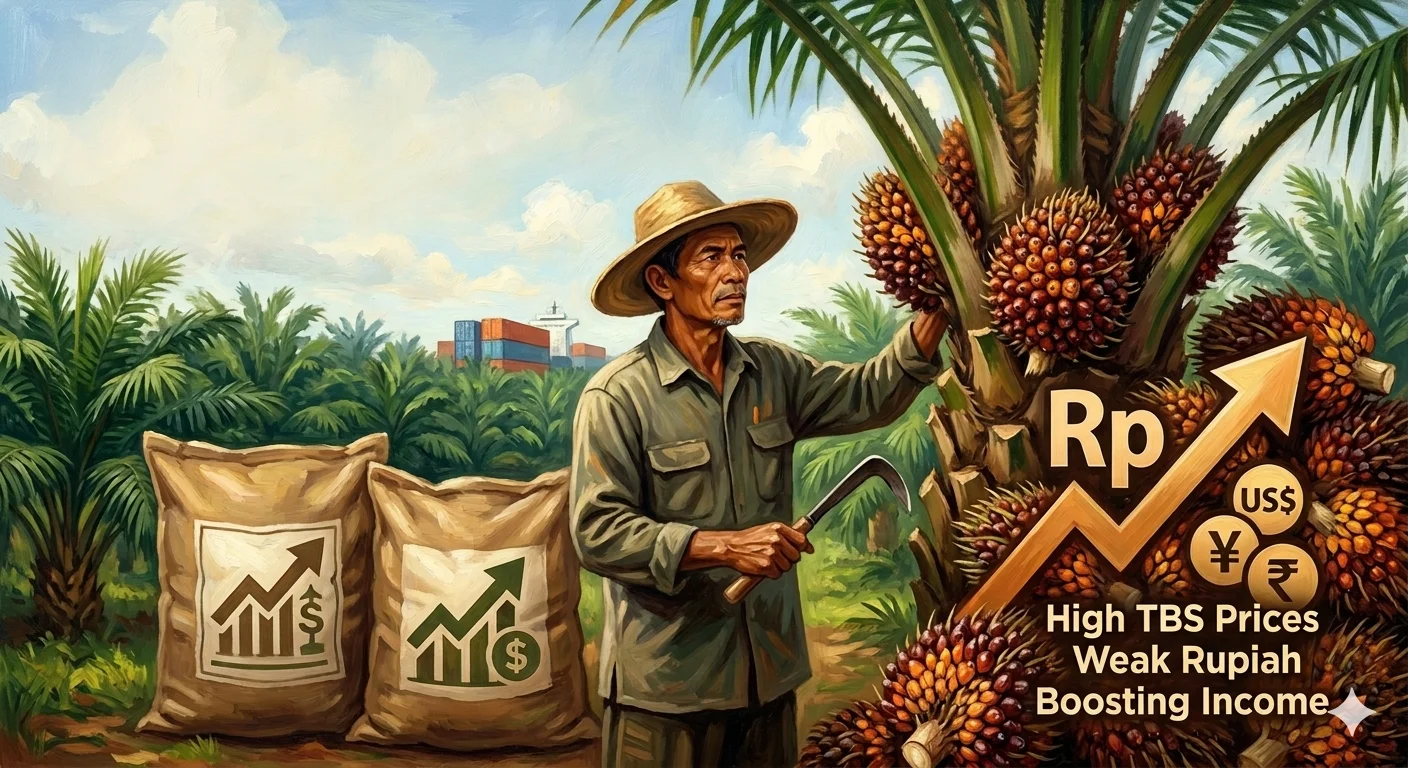
RRI.CO.ID, Jakarta - The recent surge in fertiliser prices has caused significant concerns among palm oil farmers. People fear that high costs will lead to inadequate crop maintenance and lower production.
However, several facts show that the palm oil industry remains very resilient. A weak Rupiah, currently at 17,400 per US Dollar, is actually enhancing revenues for exporters.
Higher export earnings keep the price of fresh fruit bunches (TBS) expensive in the local market. This high selling price helps farmers cover the rising fertilizer costs.
Furthermore, the government has guaranteed that the national fertilizer supply is currently safe. Farmers can continue their work because the goods are readily available.
Stable supply is crucial for long-term productivity, especially during global political tensions. Even with the ongoing Middle East conflicts, logistics for fertilizer remain under control.
Global demand for palm oil from major buyers like China and India remains robust. These two countries are the main destinations and have not reduced their orders.
| Baca juga: North Sumatra Inflation Hits 0.43% in August |
Exporters were worried about shipping delays, but so far, trade continues without serious trouble. This steady demand provides a strong financial cushion for the entire industry.
Regarding the weather, the impact of El Niño varies across different regions in Indonesia. Areas like North Sumatra and Aceh still enjoy enough rain to keep trees healthy.
In fact, export performance from North Sumatra is projected to stay stable throughout 2026. This stability shows that conditions remain favorable.
While global wars create uncertainty, the high prices of palm oil provide a buffer. As long as the fruit sells for over 3,000 Rupiah per kg, the industry remains resilient.
Writer: Gunawan Benjamin (Economist, Islamic University of North Sumatra)
News Recomendation
Loading latest news.....