



Indonesia Ranks in Top 2 for Global Energy Resilience, Here’s the Strategy Behind It
- 04 Mei 2026 11:45 WIB
- Voice of Indonesia
Key Points
- Financial institution JP Morgan ranked Indonesia second out of 52 countries with the world’s best energy resilience.
- Minister of Energy and Mineral Resources stated that this success was due to the optimization of thousands of old, previously unproductive oil wells across various regions in Indonesia.
- This success is also supported by the use of alternative energy sources.
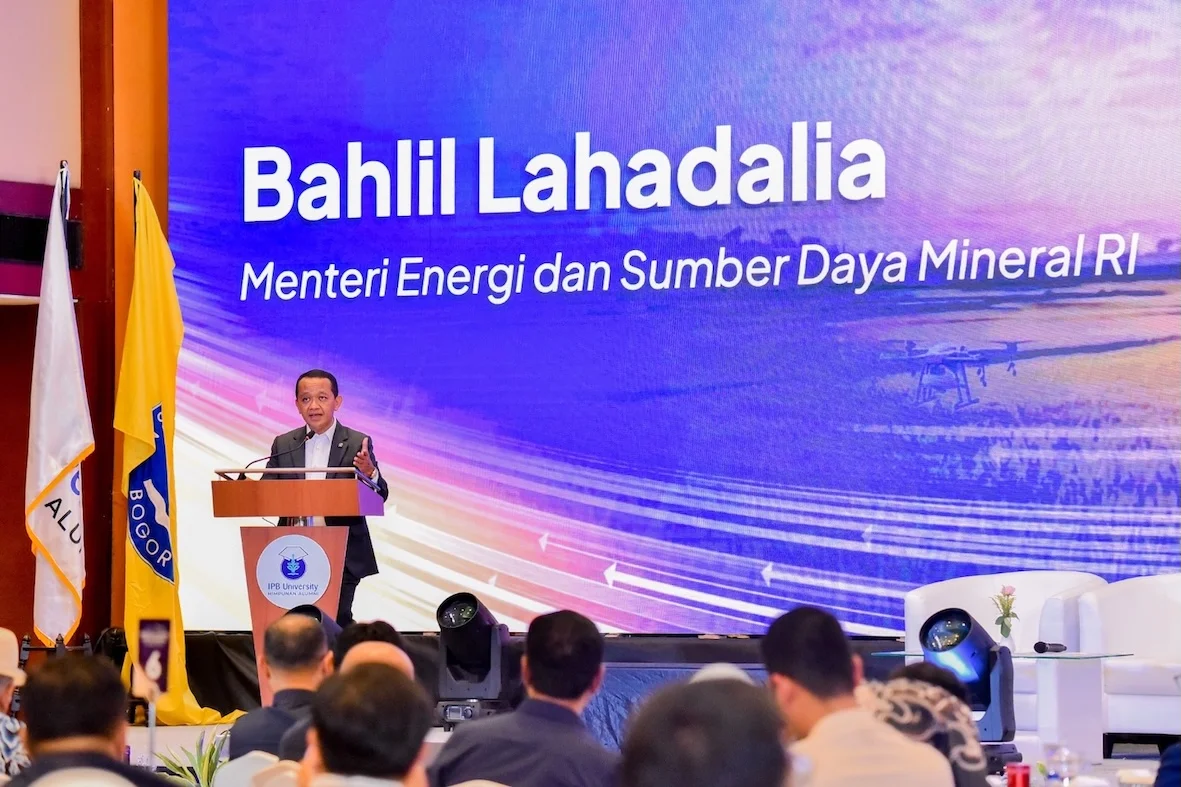
RRI.CO.ID, Jakarta – Financial institution JP Morgan ranked Indonesia second out of 52 countries with the world’s best energy resilience. Minister of Energy and Mineral Resources (ESDM) Bahlil Lahadalia announced this achievement at the IPB University Alumni Association Business Forum at the Borobudur Hotel in Jakarta on Saturday, May 2, 2026.
This achievement is supported by the success of national oil production in 2025, which exceeded the state budget target. This simultaneously broke the negative trend of declining production that had occurred over the past ten years.
Bahlil stated that this success was due to the optimization of thousands of old, previously unproductive oil wells across various regions in Indonesia. The government ultimately encouraged the use of new technology by Production Sharing Contract (PSC) Contractors to boost production.
The government has also taken decisive action regarding hundreds of exploration areas that have been stalled for years without implementation. A concrete example is the accelerated development of the Abadi Masela Block, which had been delayed for quite some time.
“If you (INPEX) don’t get started within six months, I’ll revoke the license. And thank God, the Engineering, Procurement, and Construction (EPC) tender is now underway,” he explained, as quoted in a written press release received on Sunday, May 3, 2026.
The USD21 billion strategic project in Maluku has now officially entered the construction bidding phase. Additionally, new discoveries in the Ganal Block in East Kalimantan are projected to begin significant production in 2029.
In the fuel sector, Indonesia has also succeeded in completely halting diesel imports this year, 2026. This success is supported by the mandatory biodiesel policy, under which the blending of diesel and palm oil has now reached 40 percent.
A similar measure is currently being prepared by the government for implementation regarding gasoline. The government aims to fully implement a 20 percent ethanol blending policy by 2028.
The government will continue to promote the optimization of plant-based feedstock potential, such as cassava, corn, and sugarcane. “If we mandate 20%, that means we reduce gasoline imports by 8 million kiloliters,” he affirmed.
For household gas needs, the government is currently developing innovations in Compressed Natural Gas (CNG) technology. This bottled gas product is claimed to be 30 to 40 percent cheaper than LPG.
News Recomendation
Loading latest news.....