



Additive Ingredient Limits Seen as Harmful to Indonesian Tobacco Industry
- 27 Apr 2026 12:43 WIB
- Voice of Indonesia
Key Points
- The Indonesian Cigarette Manufacturers Association (Gapero) warns that the proposed ban on additives, including food‑grade ingredients, in tobacco products could have serious impacts on the national tobacco industry.
- Restrictions on tar and nicotine levels are considered difficult to enforce, as Indonesia’s locally grown tobacco and cloves naturally contain higher levels than imported ingredients.
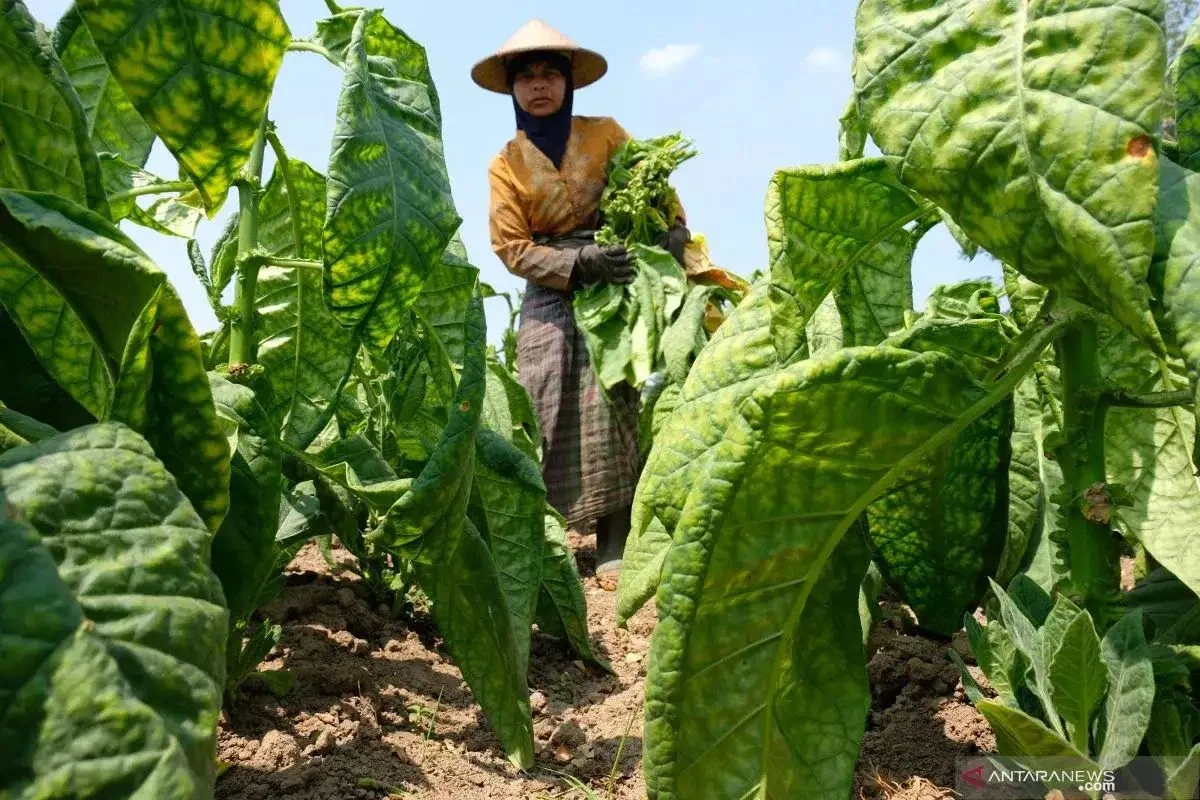
RRI.CO.ID, Jakarta - Proposed new regulations for the tobacco sector have raised concerns among Indonesian tobacco industry stakeholders, who fear the measures could curtail production and threaten the sustainability of the national cigarette industry.
The Cigarette Manufacturers Association (Gapero) has highlighted the Indonesian Ministry of Health’s proposal to restrict the use of additives, including food‑grade ingredients, in tobacco products.
The association warns that such restrictions could disrupt the industry's stability, which has long relied on specific formulations to maintain product quality and distinct characteristics.
Gapero Surabaya chairman Sulami Bahar said the regulation could have serious consequences for the legal industry. “The prohibition of additional ingredients is expected to be detrimental to the cigarette industry, particularly kretek cigarettes, which represent Indonesia’s local wisdom,” Sulami said in Jakarta on Sunday, April 26, 2026, as quoted by Antara.
She explained that the industry would struggle to meet the new requirements if implemented, potentially forcing several businesses to shut down.
In addition, the Coordinating Ministry for Human Development and Culture’s plan to limit tar and nicotine levels is seen as another challenge. The standards, modeled on those of other countries, are considered difficult to apply in Indonesia, where 97 percent of national production comes from kretek cigarettes made with local raw materials.
Sulami noted that the natural content of Indonesian tobacco and cloves is generally higher than that of imported ingredients, making the target limits unrealistic for most producers.
The tobacco industry contributes significantly to the national economy, with around 920 legal companies employing more than 186,000 workers, most of them in East Java. National cigarette production reaches 307.8 billion sticks annually, with labor‑intensive sectors such as hand‑rolled kretek cigarettes (SKT) considered most vulnerable to the impact of these policies.
Gapero also warned that overly strict regulations could lead to a rise in illegal cigarette circulation, as consumers turn to cheaper products outside regulatory oversight.
“Tobacco policies must be inclusive, proportional, and grounded in the Indonesian context—not merely imitating policies from other countries,” Sulami said.
She emphasized the importance of involving industry associations in the policy‑making process to strike a balance between public health interests and business sustainability. (Gusti Panji/Lasti Martina)
News Recomendation
Loading latest news.....