



Indonesia’s Hand Tool Industry Increases Domestic Market Supply
- 27 Apr 2026 12:54 WIB
- Voice of Indonesia
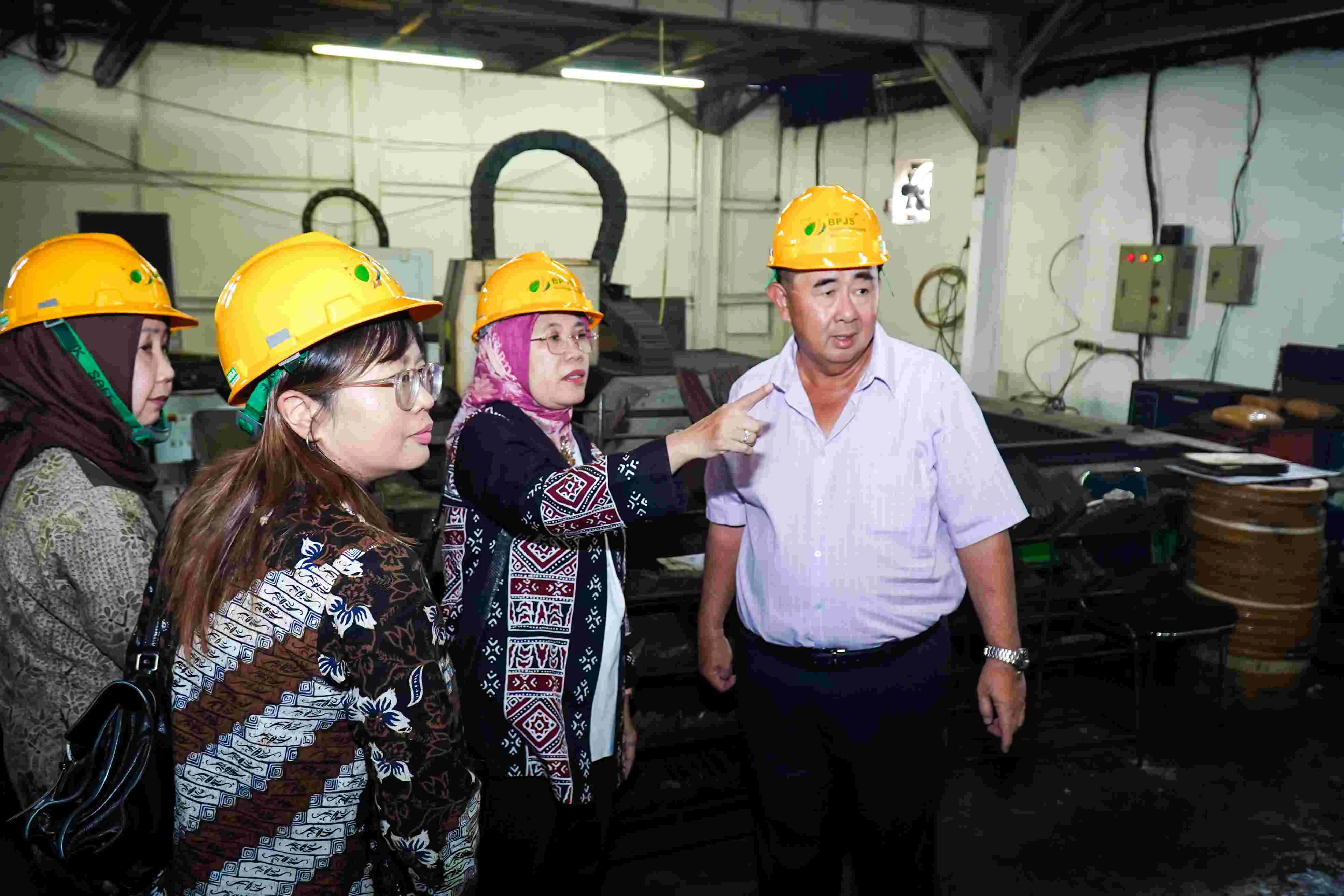
RRI.CO.ID, Jakarta - Indonesia’s domestic industry for producing hand tools for the agriculture and plantation sectors is becoming increasingly reliable. This is reflected in its ability to meet domestic market demand with a wide range of quality products that cater to user needs.
The development also aligns with the government’s efforts to promote downstream processing of the national steel industry. Minister of Industry, Agus Gumiwang Kartasasmita, stated that the domestic hand tool industry holds significant potential, despite relying on relatively simple manufacturing processes.
“This industry is supported by a large workforce in production centers, where skills have been passed down through generations. In addition, the market remains vast, considering Indonesia is an agrarian country,” he said in an official statement in Jakarta on Sunday, April 26, 2026.
He explained that many small and medium enterprises (SMEs), large industries, and companies in forestry, plantation, and agriculture sectors continue to rely on simply manufactured hand tools, particularly for harvesting activities.
“Through the Domestic Product Utilization Improvement Program (P3DN), hand tools produced by SMEs in regional production centers are expected to gain greater absorption in the domestic market. Companies are also increasingly confident in using SME products that already meet Indonesian National Standards (SNI),” he said.
Meanwhile, Director General of Small, Medium, and Miscellaneous Industries, Reni Yanita, noted that Indonesia currently has 123 hand tool SMEs employing 512 workers, based on SIINas data as of mid-November 2025. These industries are spread across production centers from Sumatra to Sulawesi.
| Baca juga: JCI Volatile as Market Tracks Fed Sentiment |
“The largest concentration is in North Sumatra, including Pematang Siantar, South Tapanuli, Labuhan Batu, Deli Serdang, and Langkat,” she said. Other centers are located in West Sumatra, Riau, Central Java, West Java, East Java, Banten, Yogyakarta, Bali, West Nusa Tenggara, South Kalimantan, and South Sulawesi.
To strengthen competitiveness, the Ministry of Industry through the Directorate General of IKMA, continues to collaborate with local governments, academicians, experts, and business actors as offtakers to develop these SME clusters.
However, the industry still faces several challenges, including limited availability of steel raw materials with specific carbon compositions, competition from imported products, and the need for significant investment in technology.
To address these issues, the Directorate General of IKMA has implemented various strengthening programs, such as facilitating business partnerships, providing technical assistance, restructuring machinery and production equipment, and fostering partnerships with technology providers and related stakeholders.
Director of Metal, Machinery, Electronics, and Transportation Equipment SMEs, Dini Hanggandari, underscored that hand tool SMEs have strong potential to become partners for large industries, state-owned enterprises, and local governments, both directly and through digital platforms.
As an example, PT Sarana Panen Perkasa in Medan, which produces plantation harvesting tools such as egrek, dodos, and various knives, has obtained SNI and Domestic Component Level (TKDN) certifications. Its products have also been exported to several countries, including Liberia, Papua New Guinea, Costa Rica, Panama, and Colombia.
“In the past two years, PT SPP has been ready to increase production capacity, supported by quality raw material supplies from PT Krakatau Steel and PT Jatim Taman Steel,” Dini said.
News Recomendation
Loading latest news.....