



Plastic Packaging Surge Fuels Cooking Oil Price Hike in Indonesia
- 23 Apr 2026 21:30 WIB
- Voice of Indonesia
Key Points
- Global fossil energy surge raised plastic costs, driving up domestic cooking oil prices.
- Government policies kept MinyaKita stable while premium and bulk oil prices climbed.
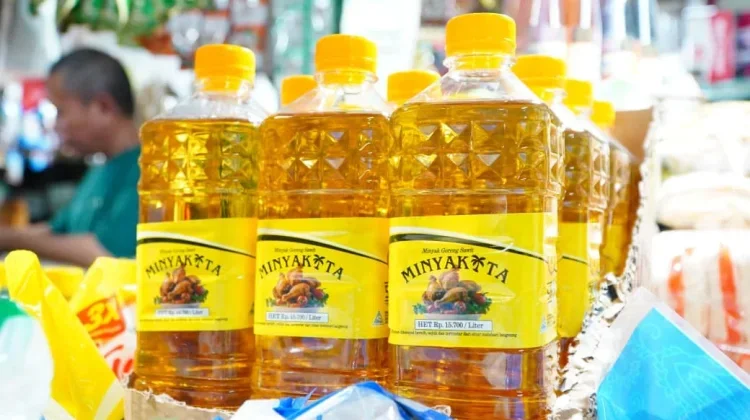
RI.CO.ID, Jakarta - The surge in plastic packaging prices has triggered a rise in domestic cooking oil prices, according to the Palm Oil Agribusiness Strategic Policy Institute (PASPI).
Executive Director Tungkot Sipayung explained that the increase stems from escalating global fossil energy costs, driven by the ongoing conflict in the Middle East involving the United States, Israel, and Iran.
The closure of the Strait of Hormuz amid the conflict disrupted supply chains and pushed up the prices of fossil-based products, including plastic. “Global fossil energy prices rose from around USD 60 per barrel before the war to more than USD 110 per barrel. As a result, all derivative products such as plastic have increased,” Tungkot said in Jakarta on Thursday, April 23, 2026.
Indonesia, as both the world’s largest producer and consumer of palm cooking oil, has felt the impact acutely. With around 280 million people consuming palm oil daily, the price hike has significant social and economic consequences.
Tungkot noted that three types of palm cooking oil are widely consumed domestically: premium packaged oil, MinyaKita for low-income households and small businesses, and bulk oil for the food industry.
Of these, only MinyaKita is directly regulated by the government through policies such as the domestic market obligation (DMO), distribution controls, and the highest retail price (HET).
Prices for premium and bulk oil remain subject to market forces. Between January and the third week of April 2026, premium oil prices rose from IDR 21,166 to IDR 21,793 per liter, while bulk oil climbed from IDR 17,790 to IDR 19,486 per liter. Interestingly, MinyaKita prices fell from IDR 16,865 to IDR 15,949 per liter, approaching the HET of IDR 15,700.
Tungkot emphasized that the decline in MinyaKita prices demonstrates the effectiveness of government intervention in stabilizing supply.
However, he cautioned that sustaining this trend will depend on whether authorities adjust HET to accommodate rising packaging costs. He added that the government still has policy instruments such as export duties and levies to protect consumers of premium oil and the food industry.
“If these policies are implemented effectively, they should provide sufficient protection for consumers, at least in the short term,” Tungkot said. (Misni Parjiati/Lasti Martina)
News Recomendation
Loading latest news.....