



BI Keeps Benchmark Rate at 4.75 Percent Amid War Impact
- 23 Apr 2026 10:12 WIB
- Voice of Indonesia
Key Points
- Bank Indonesia (BI) has maintained its benchmark interest rate, or BI-Rate, at 4.75 percent for April 2026.
- BI Governor Perry Warjiyo said the decision is consistent with efforts to enhance the effectiveness of interest rate adjustments as part of monetary policy instruments.
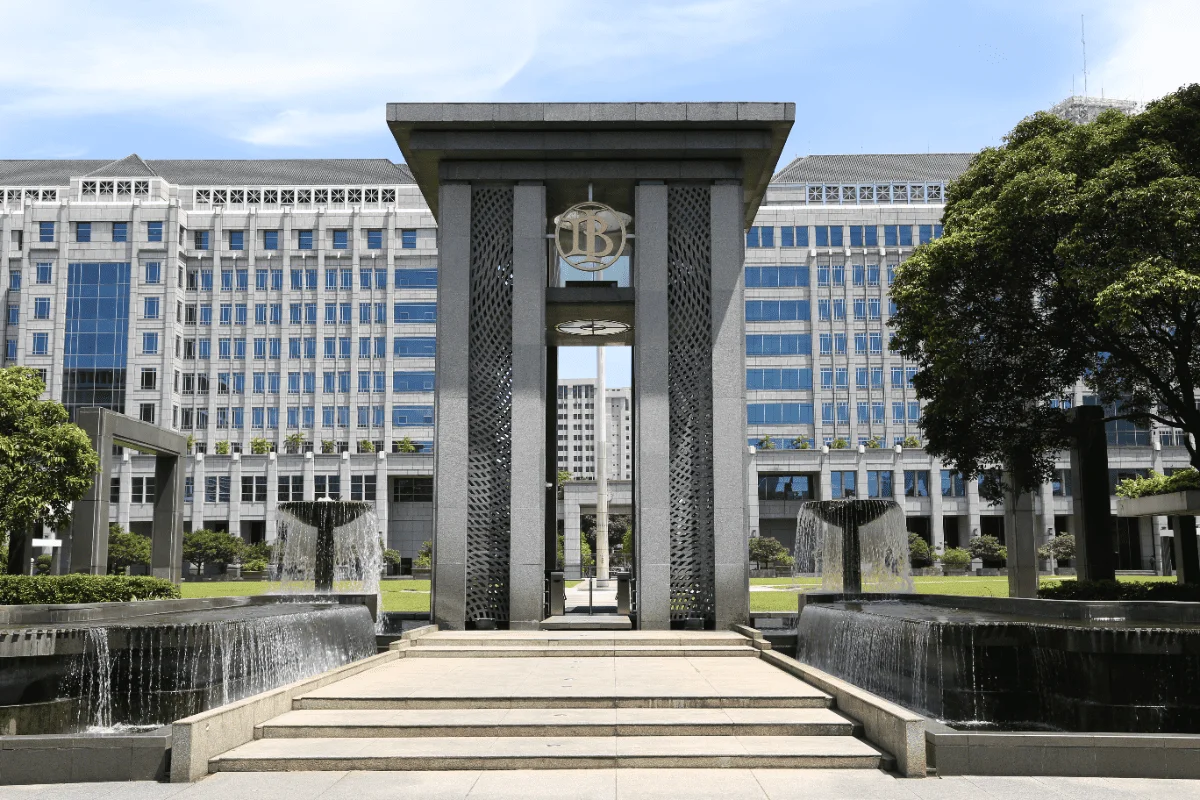
RRI.CO.ID, Jakarta - Bank Indonesia (BI) has maintained its benchmark interest rate, or BI-Rate, at 4.75 percent for April 2026. The Deposit Facility rate also remains at 3.75 percent, while the Lending Facility rate stays at 5.5 percent.
BI Governor Perry Warjiyo said the decision to keep the BI rate unchanged is consistent with efforts to enhance the effectiveness of interest rate adjustments as part of monetary policy instruments.
“This measure aims to strengthen the stabilization of the rupiah exchange rate amid the deteriorating global economy caused by the war in the Middle East,” Perry said in a statement following the BI Board of Governors’ Meeting in Jakarta on Wednesday, April 22, 2026.
He added that BI is prepared to take further monetary policy measures if needed, particularly to maintain rupiah stability and keep inflation within the target range of 2.5±1 percent for 2026 and 2027.
BI is also strengthening macroprudential policies to support economic growth by boosting credit to the real sector while safeguarding financial system stability.
Meanwhile, the payment system continues to be directed toward supporting economic activities, including expanding the acceptance of digital payments. BI is also reinforcing the structure of the payment system industry and improving the reliability and resilience of payment infrastructure.
Currency market analysts had predicted BI would maintain the BI-Rate this month. Analyst Ibrahim Assuaibi said the projection is based on three main factors.
First, external pressures, as market participants continue to monitor US-Iran relations and related geopolitical risks.
Second, energy-driven inflation, fueled by rising prices of non-subsidized fuel, is expected to trigger ripple effects on inflation expectations, logistics costs, production costs, and imported goods.
Third, domestic macroeconomic conditions make monetary easing difficult at present. The Consumer Confidence Index remains optimistic at 122.9, while the Purchasing Managers’ Index (PMI) is at an expansionary level of 50.1. (Gusti Panji/Lasti Martina)
News Recomendation
Loading latest news.....