



Pertamina-Toyota Partnership Boosts National 2G Bioethanol Development
- 20 Apr 2026 21:13 WIB
- Voice of Indonesia
Key Points
- Pertamina and Toyota are advancing Indonesia's new and renewable energy via a partnership on a multi-feedstock, second-generation (2G) bioethanol project.
- The collaboration is expected to accelerate Indonesia's downstream energy development and optimize domestic biomass use through advanced, sustainable technologies.
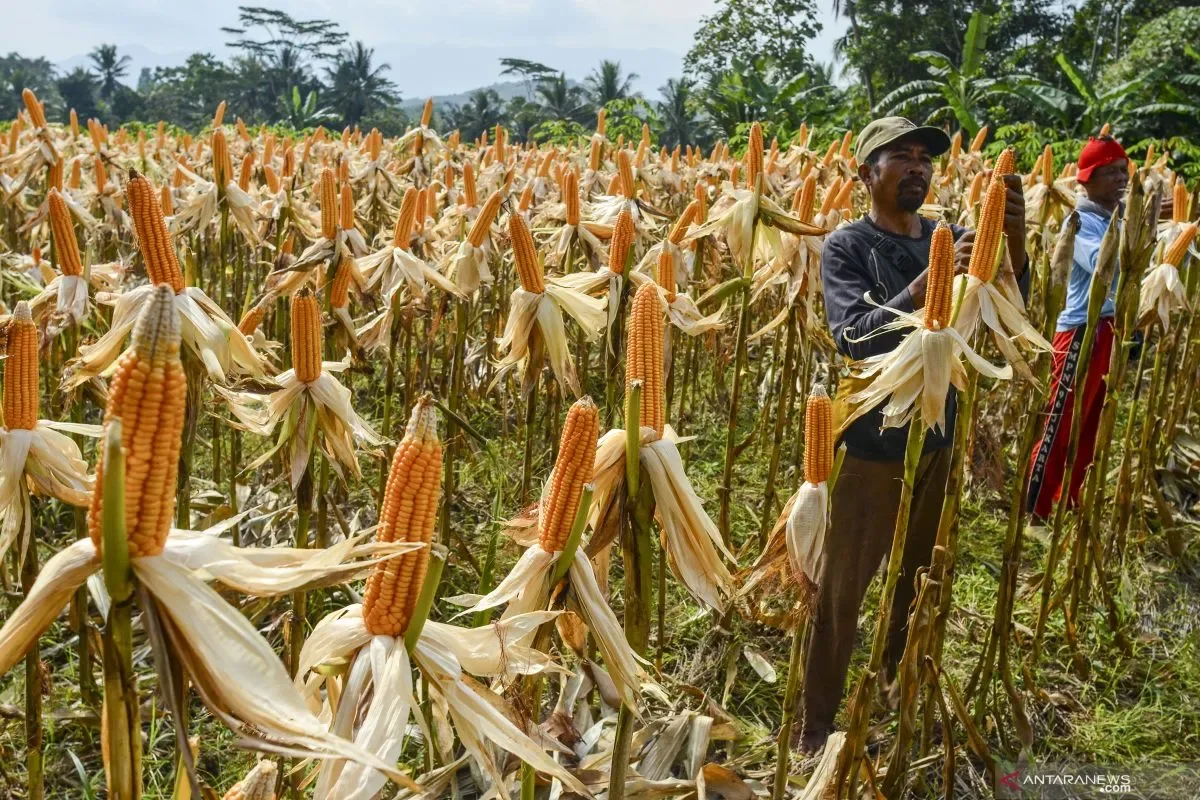
RRI.CO.ID, Jakarta – The development of new and renewable energy in Indonesia continues to make progress through a collaboration between the state-owned Oil and Gas Company Pertamina and Toyota. This partnership focuses on a second-generation (2G) bioethanol project using a multi-feedstock approach.
Deputy Minister of Investment and Downstreaming/Indonesian Investment Coordinating Board (BKPM), Todotua Pasaribu, said that this project utilizes domestic resources. The raw materials used include palm oil biomass, corn, and sorghum.
According to Todotua, this approach optimizes the utilization of waste. Additionally, this initiative is expected to enhance efficiency in sustainable energy production.
“We view the collaboration between Pertamina and Toyota as a concrete example of partnership. It represents a collaboration between a state-owned enterprise and a global investor in building the future energy ecosystem,” said Todotua in Jakarta on Monday, April 20, 2026.
He added that the government is pushing to accelerate the project’s implementation through to the construction phase. This is crucial to ensure the project proceeds on schedule, with completion targeted for 2028.
“In the future, we are urging that the process leading to this agreement be swiftly advanced to the construction phase, so that the project can begin as scheduled,” said Todotua.
Meanwhile, the CEO of Toyota Motor Asia, Masahiko Maeda, noted that the meeting with the Indonesian government yielded significant progress. “A key achievement of this meeting is the advance toward a cooperation agreement for bioethanol development in Indonesia,” he said.
Maeda views the agreement as a strategic step in finalizing investment plans. This process includes economic feasibility studies, project structuring, and the establishment of an implementation timeline.
Maeda emphasized that the cooperation has moved from the exploratory phase to a more concrete stage. This is seen as providing clarity on the project’s implementation direction.
The development of 2G bioethanol is viewed as an innovative solution for energy utilization. This technology enables the processing of non-food materials and biomass waste into energy sources.
In addition to supporting national energy needs, the project is also expected to reduce dependence on fuel imports. The use of sorghum as a feedstock also enhances food security.
The government supports bioethanol development through mandatory biofuel policies. The prepared roadmap includes E5 by 2026–2027, E10 by 2028–2030, and a long-term target of E20.
Through this collaboration, Indonesia is expected to accelerate energy downstreaming. Additionally, the use of domestic biomass is being optimized through more advanced, sustainable technologies. (Gusti Panji/Bambang MBKA)
News Recomendation
Loading latest news.....