



Countries Turn to Indonesia for Fertilizer as Global Supply Chains Falter
- 16 Apr 2026 10:44 WIB
- Voice of Indonesia
Key Points
- Indonesia’s urea production capacity reaches 14.5 million tons, with a 1.5 million‑ton surplus projected by 2026.
- India, the Philippines, Brazil, and Australia seek Indonesia’s urea exports amid supply chain turmoil.
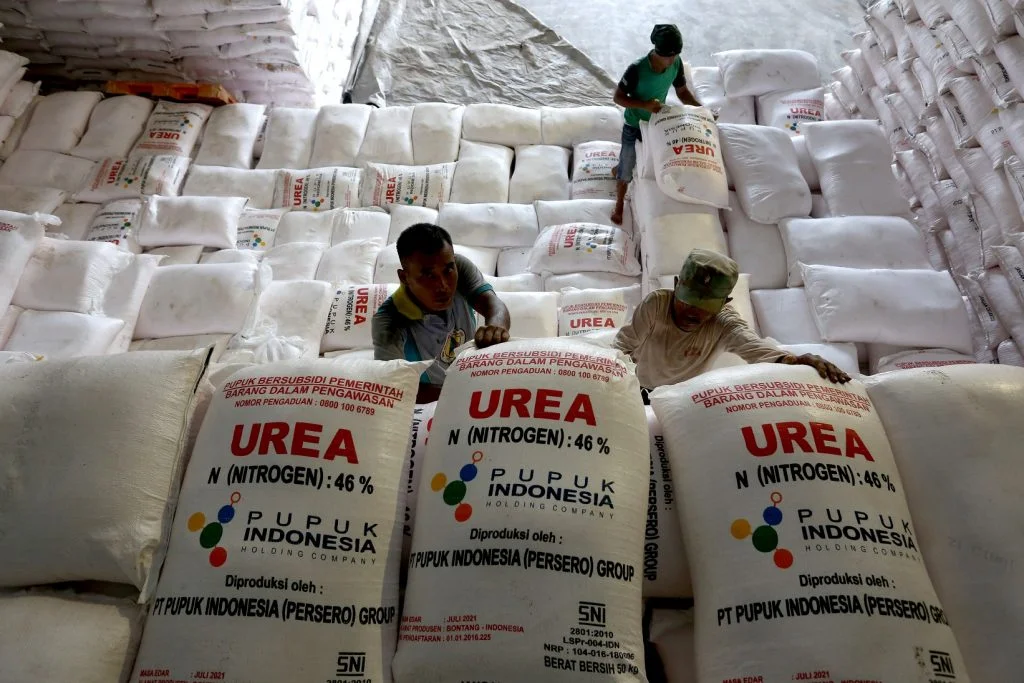
RRI.CO.ID, Jakarta – Rising global demand for fertilizer is opening new opportunities for Indonesia, as several countries look to the government as an alternative supplier amid disruptions to international supply chains.
Deputy Minister of Agriculture, Sudaryono, said several countries have expressed interest in importing urea from Indonesia following supply chain disruptions in the Strait of Hormuz.
“So far, India, the Philippines, Brazil, and Australia have been in communication,” he noted after meeting Australian Ambassador to Indonesia Roderick Brazier in Jakarta on Wednesday, April 15, 2026, as quoted by Antara.
Sudaryono explained that about one‑third of global fertilizer shipments pass through the Strait of Hormuz. Disruptions in the region have triggered shortages and driven international urea prices to nearly USD 900 per ton, up from the previous USD 600–700 range.
Indonesia is seen as strategically positioned because it produces urea from domestic natural gas. National production capacity reaches 14.5 million tons, exceeding domestic demand. The government estimates a surplus of 1.5 million tons by 2026, which could be exported once local farmers’ needs are met.
“The Australian Ambassador has just arrived, and I will also be meeting with several other ambassadors. Their visits are related to requests for the 1.5 million‑ton surplus that Indonesia could allocate for export,” Sudaryono said.
Despite surging global demand, the government has assured that national fertilizer stocks remain secure. Authorities continue to maintain distribution stability, anticipating challenges such as El Niño and increased planting activity.
Sudaryono acknowledged that field distribution sometimes faces delays due to high farmer demand, creating a race between production and demand. However, he described this as a positive signal, reflecting increased planting activity consistent with agricultural extension data on national planting areas. ***
News Recomendation
Loading latest news.....