



Indonesia’s Energy Seen as More Resilient with Low Middle East Oil Reliance
- 14 Apr 2026 11:42 WIB
- Voice of Indonesia
Key Points
- CORE Executive Director Mohammad Faisal assessed that Indonesia’s energy resilience is relatively strong, supported by a more diversified import structure.
- Indonesia’s reliance on Middle Eastern oil stands at around 20 percent, having expanded import sources to include African countries.
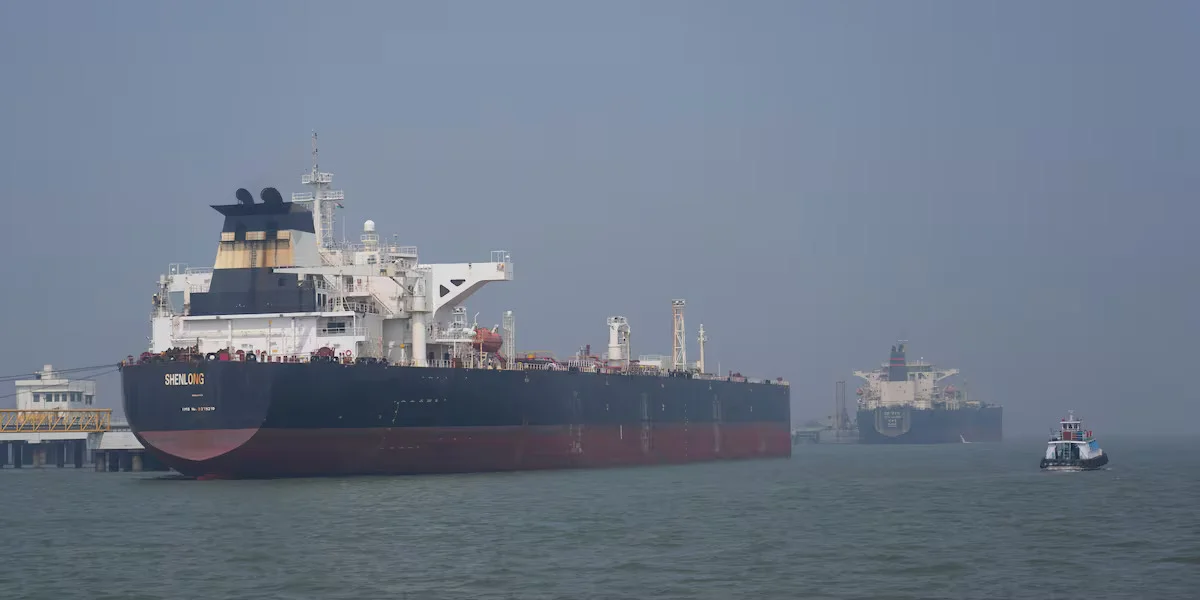
RRI.CO.ID, Jakarta - Indonesia’s energy resilience is considered relatively strong amid global pressures, with its import structure becoming more diversified.
Executive Director of the Center of Reform on Economics (CORE), Mohammad Faisal, noted that Indonesia’s dependence on Middle Eastern oil is lower than that of several other Southeast Asian countries. This reduces the risk of supply disruptions compared to regional peers.
“We need to prepare for conditions that will continue to pressure us in the future. However, in terms of our dependence on oil, we are actually in a much better position compared to other peers,” Faisal said in Jakarta on Monday, April 14, 2026, as quoted on Antara.
Faisal explained that the Philippines’ dependence on Middle Eastern oil reaches 95 percent, while Malaysia’s is close to 70 percent. Indonesia’s reliance is only around 20 percent, thanks to diversification of import sources, including from African countries.
“Given those conditions, it’s understandable that the Philippines announced work-from-home (WFH) measures on a much larger scale than we did, since their dependence is indeed very high,” he added.
Domestically, Faisal assessed that the government’s decision to maintain subsidized fuel prices is strategic, helping to stabilize inflation, particularly against food price pressures.
“Historically, when the price of subsidized fuel rises, the impact is significant, both directly and indirectly, on food prices,” he said.
The government has also implemented a WFH policy for civil servants every Friday since April 1, 2026. The policy will be evaluated after two months and has been recommended for the private sector through a circular from the Minister of Manpower.
The measure aims to reduce fuel consumption and save the State Budget. Potential savings from fuel subsidies are estimated at IDR 6.2 trillion (USD 361.68 million), while total savings from reduced public consumption could reach IDR 59 trillion. ***
News Recomendation
Loading latest news.....