



US-Iran War’s Impact on Indonesia’s Economy Remains Moderate: Govt
- 14 Apr 2026 06:33 WIB
- Voice of Indonesia
Key Points
- Director of Economic Stabilization Strategy at the Ministry of Finance, Noor Faisal Achmad, assessed that the impact of a potential US-Iran war on Indonesia’s economy and financial markets remains moderate.
- Noor stated that economic fundamentals in Q1-2026 remained strong, supported by expansionary manufacturing data, a trade surplus, controlled inflation, and adequate foreign exchange reserves.
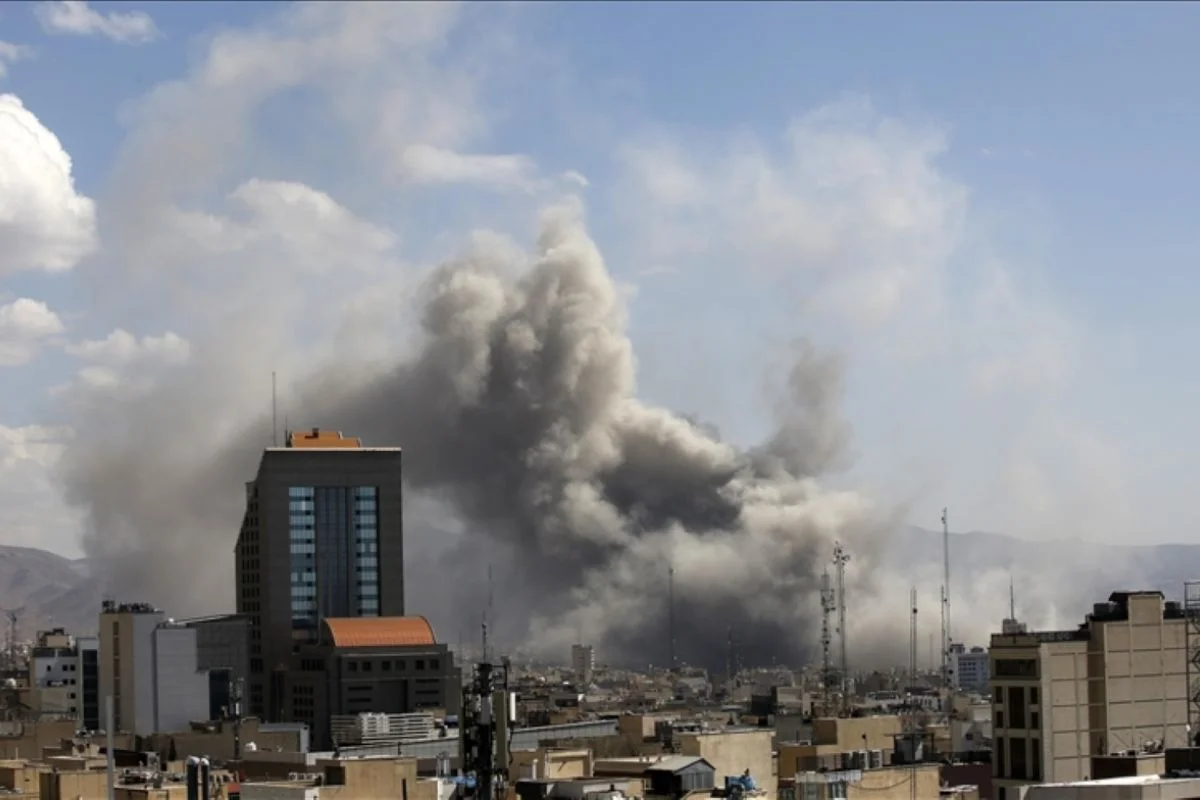
RRI.CO.ID, Jakarta – The Indonesian Ministry of Finance has assessed that the impact of a potential US-Iran war on the domestic economy and financial markets remains moderate. The conflict’s effects are broad, ranging from rising oil and trade prices to shifts in financial market sentiment, the rupiah exchange rate, and international capital flows.
“Indonesia’s economic fundamentals still provide cause for optimism because the impact of the Middle East conflict remains limited,” said Director of Economic Stabilization Strategy at the Ministry of Finance, Noor Faisal Achmad, during the Central Banking Forum 2026 in Jakarta on Monday, April 13, 2026, as quoted by Antara.
According to Noor, economic fundamentals in the first quarter of 2026 remained strong, supported by expansionary manufacturing data, a trade surplus, controlled inflation, and adequate foreign exchange reserves.
“Credit growth also remains strong. This indicates that the domestic economic growth engine is functioning well amid global dynamics,” he said.
In the financial markets, a risk-off sentiment has triggered capital outflows. “However, the latest assessments indicate that pressure on Indonesia’s financial markets remains relatively moderate,” Noor added.
He explained that the rupiah’s depreciation is still under control, while yields on Government Securities (SBN) remain attractive. Investor confidence in the Indonesian economy also remains intact.
“The matter is more due to technical factors rather than fundamental ones. We will maintain market confidence through prudent management of the state budget,” Noor said.
He acknowledged that rising energy prices pose a risk that must be closely monitored. However, their impact on inflation has so far been contained.
“The government’s policy response to maintain energy price stability is being implemented carefully while considering fiscal resilience. Going forward, fiscal and monetary coordination between the government and Bank Indonesia will continue to be maintained,” Noor emphasized.
This coordination, he noted, is essential to mitigating global risks and ensuring that the financial sector remains stable while the economy continues to grow amid current pressures and uncertainties. (Gusti Panji/Lasti Martina)
News Recomendation
Loading latest news.....