



Indonesia Accelerates Halal Industry Ecosystem Ahead Certification Mandate
- 06 Apr 2026 14:11 WIB
- Voice of Indonesia
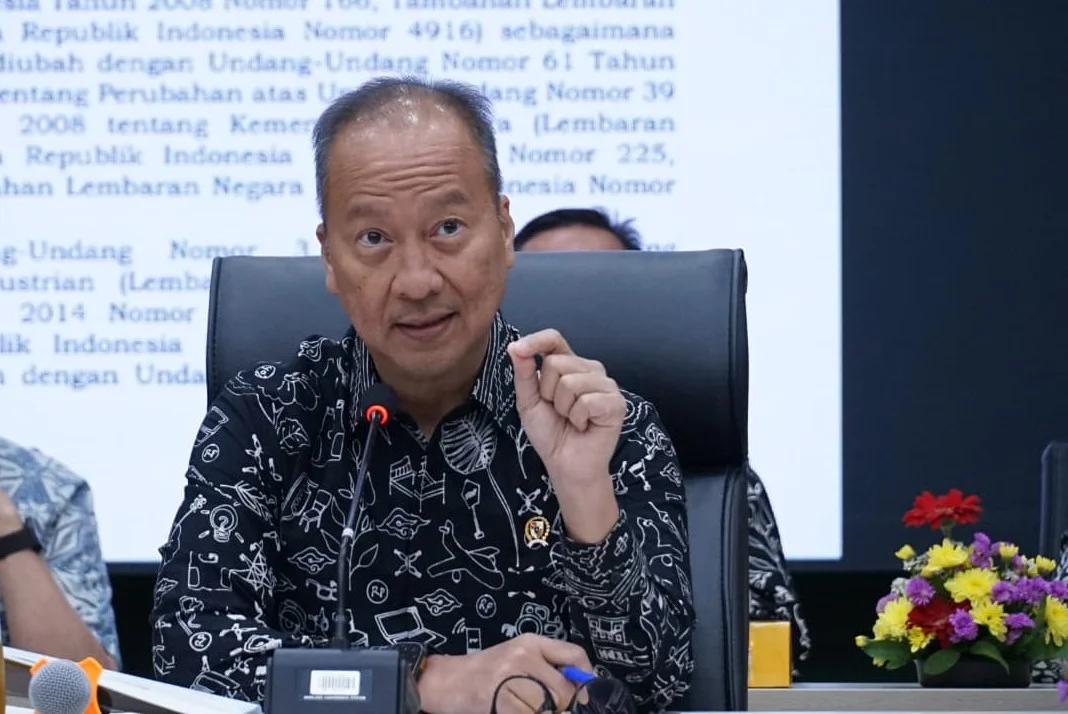
RRI.CO.ID, Jakarta - The Ministry of Industry continues to accelerate the readiness of the national industry by strengthening the halal ecosystem from upstream to downstream, ahead of the mandatory halal certification for pharmaceutical products, cosmetics, and consumer goods starting October 18, 2026. Minister of Industry, Agus Gumiwang Kartasasmita, stated in Jakarta on Monday, April 6, 2026, that Indonesia has a significant opportunity to become a global hub for the halal industry, supported by its large domestic market and the growing global trend of halal as part of a modern lifestyle.
“It is time for Indonesia to become a global halal industry hub, not merely a market for foreign products. The export performance of halal products, including the modest fashion sector, has shown tremendous potential, reaching USD 8.28 billion in 2024,” Agus said.
To support this vision, the Ministry is accelerating the implementation of halal industry development programs outlined in the Halal Industry Development Roadmap Phase II (2025–2029). The main focus is on strengthening the competitiveness of the food and beverage industry, as well as the textile, apparel, leather, and footwear sectors, which fall under the category of consumer goods.
To enhance industry awareness, the Center for Standardization and Industrial Services for Textiles (BBSPJI Tekstil) organized a TEXTalk event attended by more than 180 participants from various industry stakeholders. The event served as a platform to disseminate information on the implementation of halal certification for consumer goods, particularly in the textile and textile products (TPT) sector.
Halal certification for consumer goods is mandated under Law No. 33 of 2014 on Halal Product Assurance, along with its implementing regulations issued by the Halal Product Assurance Agency (BPJPH). The regulation covers a wide range of products, including clothing, accessories, household items, medical devices, and materials used in consumer goods, especially those containing animal-derived elements.
Head of the Agency for Industrial Standardization and Services Policy (BSKJI), Emmy Suryandari, emphasized that technical service units play a strategic role in supporting industry readiness to meet both national regulations and global standards.
“Industrial service centers not only provide technical services but also act as facilitators for education and assistance to enhance industrial competitiveness. The ultimate goal is to achieve supply chain independence and improve the quality of national industrial products,” Emmy explained.
BBSPJI Tekstil has been accredited as a Primary Category Halal Inspection Body (LPH) by BPJPH for consumer goods. With this capacity, the center is expected to deliver professional and credible halal inspection services ahead of the October 2026 deadline.
Head of BBSPJI Tekstil, Hagung Eko Pawoko, noted that one of the main challenges faced by the industry is the lack of an integrated halal ecosystem, particularly in the supply chain of raw and auxiliary materials.
“The critical halal control point guidelines we provide are expected to help industry players, especially in the textile sector, identify certification requirements and trace raw materials that may contain non-halal elements,” he said.
He added that a uniform understanding of halal regulations would accelerate document collection from suppliers, such as Halal Certificates, Material Safety Data Sheets (MSDS), Certificates of Analysis (COA), and declarations of non-porcine content, enabling a more efficient certification process.
The Ministry remains optimistic that through synergy between the government, industry players, and supporting institutions, halal certification will not only serve as a regulatory obligation but also as a strategic instrument to enhance the competitiveness of Indonesia’s industry in the global market.
News Recomendation
Loading latest news.....