



Rupiah Under Pressure Amid Global Oil Volatility and Middle East Tensions
- 27 Mar 2026 10:48 WIB
- Voice of Indonesia
Key Points
- The Indonesian rupiah weakened in Friday morning trade, slipping 14 points or 0.14 percent to IDR 16,928 per US dollar, down from its previous close of IDR16,904.
- The rupiah is influenced by global oil prices which still have high volatility and the uncertainty of the war ending.
- Experts have suggested several critical government interventions aimed at stabilizing the economy and protecting vulnerable citizens.
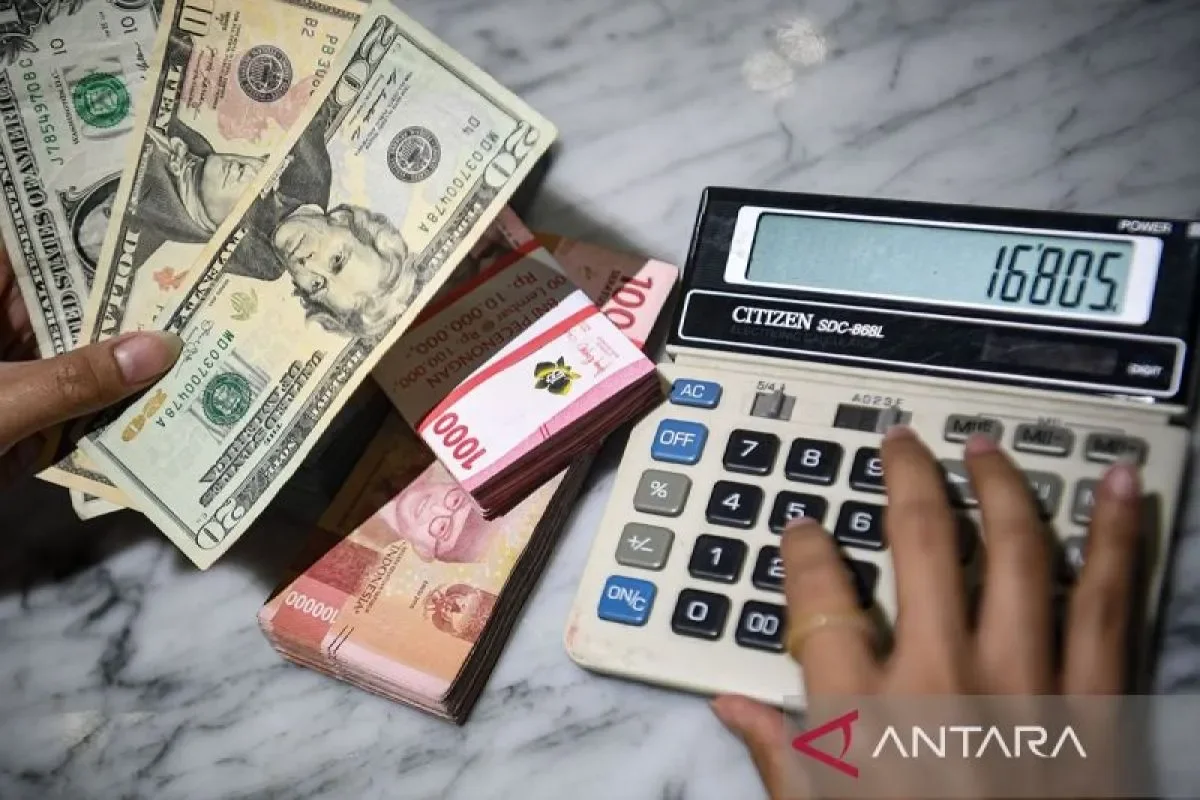
RRI.CO.ID, Jakarta - The Indonesian rupiah weakened in Friday morning trade, slipping 14 points or 0.14 percent to IDR 16,928 per US dollar, down from its previous close of IDR16,904. Market analysts attribute this decline to heightened volatility in global oil prices and increasing geopolitical uncertainty surrounding the conflict involving the US, Israel, and Iran.
Rully Nova, an analyst at Bank Woori Saudara, predicted the rupiah would continue to fluctuate within the IDR16,870 – IDR16,920 range throughout the day.
"The rupiah is influenced by global oil prices which still have high volatility and the uncertainty of the war ending," Rully said in Jakarta on Friday, March 27, 2026, as quoted by Antara.
A primary driver of the current market anxiety is the de facto blockade of the Strait of Hormuz. Recent reports indicate that Iran has begun legalizing and enforcing levies on merchant ships passing through the strait, with fees reportedly reaching up to USD 2 million per vessel.
As a critical artery for global oil and liquefied natural gas (LNG) shipments from the Gulf states, any disruption in the Strait of Hormuz immediately impacts global supply chains, pushing energy prices upward and destabilizing emerging market currencies like the Rupiah.
On the home front, investors are increasingly concerned about rising inflationary pressures. Higher oil prices translate to increased industrial production costs and higher retail prices for goods. There is also a growing alertness regarding the national budget deficit, with fears that it may exceed the 3 percent of GDP threshold.
| Baca juga: The Fed Rate Hike Shakes Markets |
“Before the war broke out the inflation trend had already started to increase, plus the rise in oil prices will add to industrial production costs,” Rully added.
To mitigate the impact of global volatility on the public, experts have suggested several critical government interventions aimed at stabilizing the economy and protecting vulnerable citizens.
One primary strategy involves protecting purchasing power by continuing targeted cash assistance programs and providing electricity incentives specifically for low-income households. To maintain overall economic stability, the government is also urged to practice fiscal discipline by implementing austerity measures and finding internal savings within various ministries and agencies, which helps keep the national budget deficit in check.
Furthermore, industrial subsidies and the close monitoring of production costs are being recommended to prevent a massive spike in the price of basic commodities, ensuring that essential goods remain affordable for the general population despite rising global energy costs. ***
News Recomendation
Loading latest news.....