



Second Day of SENA 2026, Indonesia Holds Seminar to Promote Sustainable Tuna
- 26 Mar 2026 20:49 WIB
- Voice of Indonesia
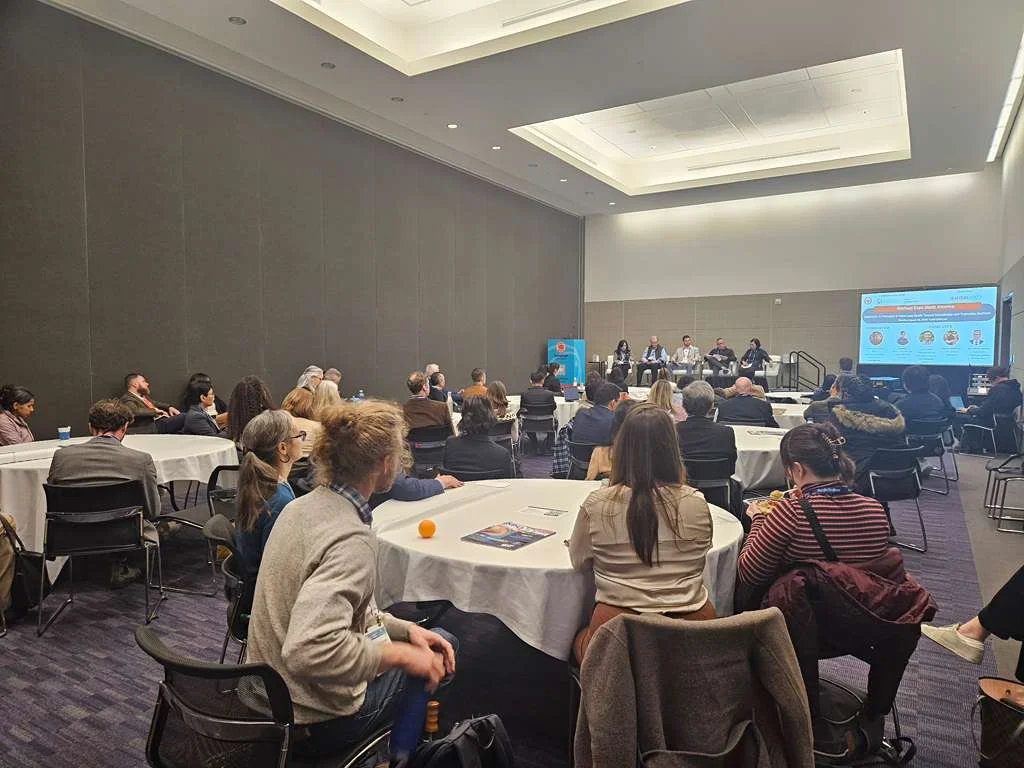
RRI.CO.ID, Boston - The Indonesian Pavilion held a seminar titled "Indonesia in Dialogue: A Tuna Case Study Toward Sustainable and Traceable Seafood" on the second day of the Seafood Expo North America (SENA) 2026 in Boston. The seminar discussed strategies to strengthen Indonesia's fisheries exports through sustainability and traceability.
The seminar was organized by the Ministry of Trade through the Indonesian Trade Attaché in Washington D.C., in collaboration with the Embassy of the Republic of Indonesia, the Global Dialogue on Sustainable Traceability, and the Tuna Consortium. Panelists included Bara Hasibuan from the Coordinating Ministry for Food Affairs, Andajani from PT Primo Indo Ikan, Craig Turley from the International Pole and Line Foundation, and Michael McNicholas, Chairman of the Global Dialogue on Seafood Traceability (GDST).
Indonesian Trade Attaché, Ranitya Kusumadewi, stated that the seminar aimed to demonstrate Indonesia's long-term commitment to maintaining its seafood export market share by upholding sustainability and traceability principles. She noted that Indonesia is strengthening fisheries governance through improved certification, inspection, laboratory testing, and supply chain documentation.
Bara Hasibuan emphasized that as the world's largest tuna producer and a major supplier to the U.S. market, Indonesia must proactively address global trade challenges. He stressed the importance of sustainability, food safety, and traceability as the foundation for maintaining market access and buyer confidence.
"The government is committed to strengthening fisheries governance as a precautionary measure and enforcing zero tolerance for products that do not meet international standards," Bara said, quoted from official statement on Thursday, March 26, 2026.
From the industry perspective, Andajani explained that businesses are consistently adapting to international standards by adopting environmentally friendly fishing methods such as handline and pole-and-line fishing. She noted that collaboration with small-scale fishers ensures high-quality catches, clear documentation, and responsible practices, ultimately increasing product value.
Craig Turley appreciated Indonesia's efforts in implementing sustainability standards and traceability systems, including meeting GDST requirements. He stated that these measures create supply chain efficiency and build trust with buyers, positioning Indonesia as a reliable supplier of quality tuna.
Michael McNicholas highlighted the importance of interoperable traceability systems and data transparency, noting that both are key factors influencing buyers' decisions to establish long-term partnerships with suppliers.
The Indonesian Pavilion at SENA 2026, held from March 15–17, reflects the government's efforts to strengthen Indonesia's position as a trusted global seafood supplier. On the second day of the expo, visitor traffic increased significantly, with several Indonesian companies reporting potential transactions and business partnerships.
Director General of National Export Development Fajarini Puntodewi expressed optimism, stating that the growing interest reflects market confidence in the quality, sustainability, and competitiveness of Indonesian seafood products.
Despite global trade challenges, demand for Indonesian seafood remains strong. In 2025, fishery exports to the United States reached USD 1.17 billion, while in January 2026, exports grew by 14.84 percent year-on-year to USD 107.32 million.
Key export commodities include shrimp, frozen tuna, fish fillets, tilapia, and mollusks. According to Statistics Indonesia, total trade between Indonesia and the United States in 2025 reached USD 43.80 billion, with Indonesian exports accounting for USD 30.96 billion.
News Recomendation
Loading latest news.....