



Indonesia Eyes Larger Role in Global Muslim Fashion Market
- 14 Mar 2026 17:25 WIB
- Voice of Indonesia
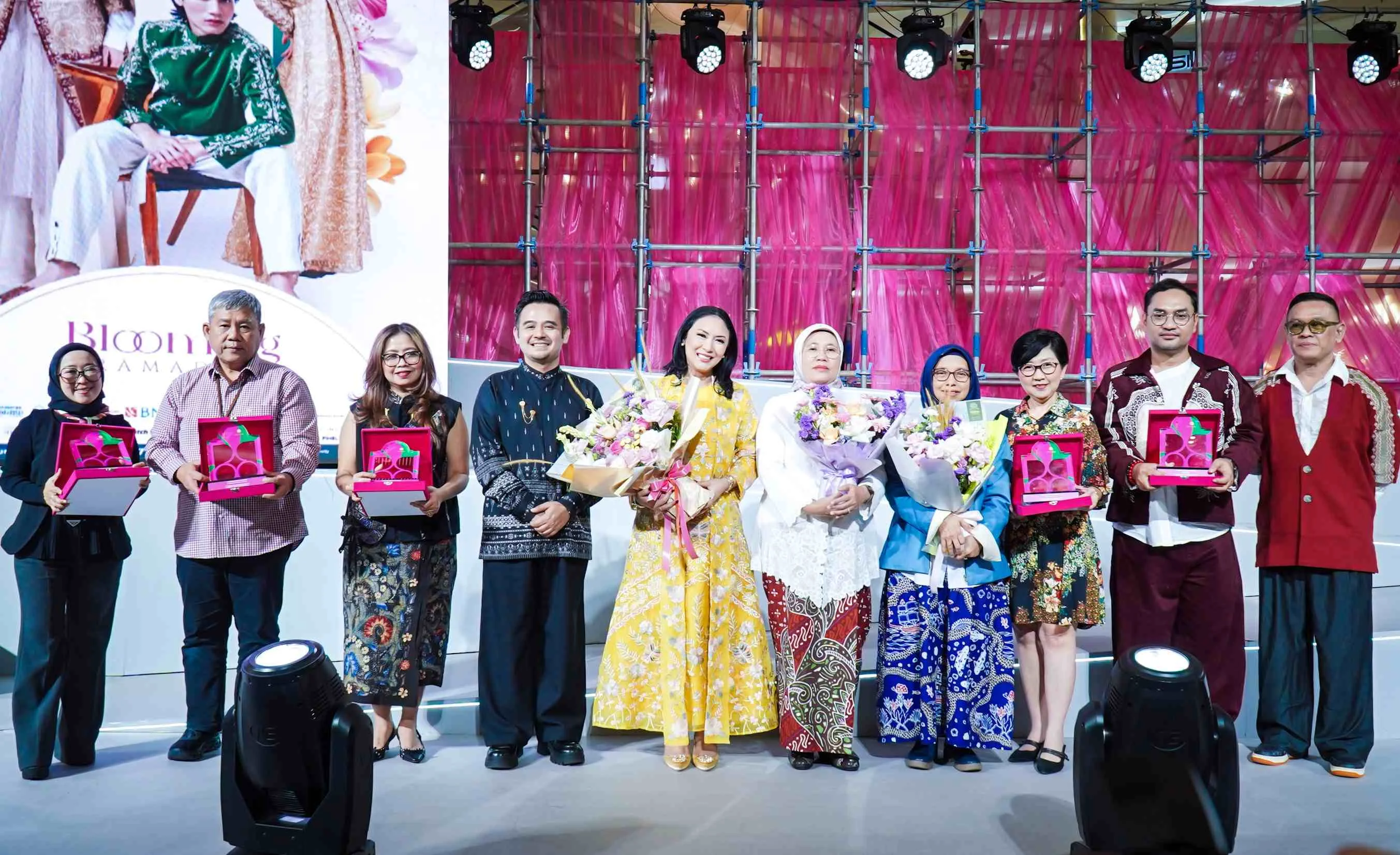
RRI.CO.ID, Jakarta - Indonesia is positioning itself as a global hub for Muslim fashion, or modest fashion as it is popularly called, with rising exports and strong domestic industry potential amid the sector’s rapid international growth.
The global Muslim fashion market continues to expand, driven not only by the growing Muslim population but also by the inclusivity of modest fashion trends across cultures and lifestyles.
According to the State of Global Islamic Economy Report (SGIER) 2024/2025, global consumption of Muslim fashion reached USD 327 billion in 2023 and is projected to climb to USD 433 billion by 2028.
Indonesian Minister of Industry, Agus Gumiwang Kartasasmita, said this growth presents a strategic opportunity for Indonesia. “The modest fashion industry has enormous market prospects. Indonesia must strengthen its role as both a producer and a trendsetter in the global modest fashion scene,” he noted in Jakarta on Friday, March 13, 2026, as quoted on the ministry official website.
Indonesia’s export performance reflects this potential. In 2023, exports of modest fashion products to member states of the Organization of Islamic Cooperation (OIC) reached USD 990 million -- an 83 percent increase from USD 540 million in 2022 -- placing Indonesia among the top seven exporters to OIC countries.
However, the market remains dominated by China, Turkey, and India, underscoring the need for Indonesia to expand its global footprint.
Director General of Small, Medium, and Miscellaneous Industries (IKMA) at the Ministry of Industry, Reni Yanita, highlighted Indonesia’s strengths as both a producer and consumer market. With 594,000 small-scale garment industries employing 1.2 million workers, she said Indonesia has the capacity to become a leading player in global modest fashion.
“Modest fashion has evolved into a global trend embraced across cultures. Indonesia’s creativity, cultural richness, and diverse textile resources give us a unique advantage,” she explained.
Indonesia’s ecosystem is already recognized internationally. SGIER ranked Indonesia first in terms of local support for the modest fashion industry. This momentum will be reinforced by the implementation of mandatory halal certification for consumer goods -- including fashion products -- starting in October 2026.
Reni emphasized that halal certification will enhance consumer trust, add value, and strengthen Indonesia’s competitive edge in global markets increasingly focused on ethical fashion, sustainability, and product traceability.
She also stressed the importance of collaboration among stakeholders -- designers, textile producers, entrepreneurs, academics, influencers, marketplaces, and consumers -- to build a sustainable and competitive industry. Events such as Ramadan Runway, now in its 14th year, showcase Indonesia’s commitment to nurturing modest fashion talent and innovation.
Director of Chemical, Textile, and Handicraft Industries, Budi Setiawan, added that Ramadan serves not only as a spiritual moment but also as a driver of creative economy growth. “This event provides a platform for designers and creative industry players to present their best work, inspiring modest fashion that is elegant, modern, and culturally resonant,” he said. ***
News Recomendation
Loading latest news.....