



ART's Benefits Highly Depend on Domestic Industries Readiness: Economists
- 09 Mar 2026 03:54 WIB
- Voice of Indonesia
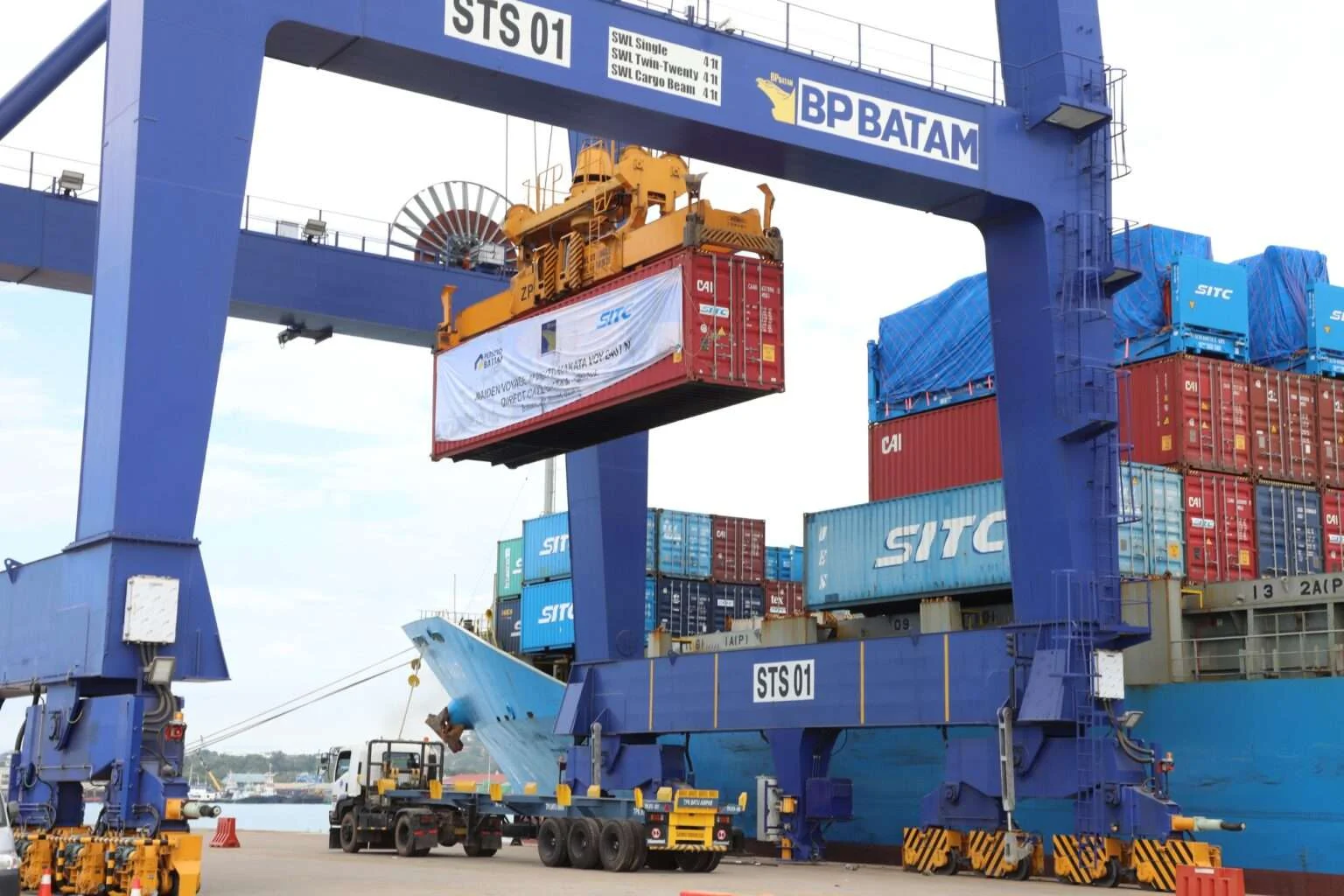
RRI.CO.ID, Jakarta - Indonesia’s zero percent tariff facility under the Agreement on Reciprocal Trade (ART) with the United States is expected to open new export opportunities, though economists caution that the benefits will depend on the readiness and competitiveness of domestic industries.
The ART provides zero tariffs for 1,819 Indonesian product tariff lines entering the US market. While the policy expands market access, it also exposes Indonesian exporters to stronger competition from other countries.
Senior economist Tauhid Ahmad said the facility is not exclusive to Indonesia. “Many countries also receive the same facilities, such as Malaysia and Vietnam. This means that market access is indeed open, but we still have to compete with other countries that have strong industrial capacity,” he said in Jakarta on Sunday, March 8, 2026, as quoted by Antara.
Tauhid emphasized that success will depend on the national industries' ability to improve productivity, product quality, and cost efficiency. He cited the electronics sector as an example where Indonesia must compete directly with other Southeast Asian producers. “We do produce products such as crude palm oil (CPO), but the market also has alternatives from other countries that receive similar tariff facilities,” he added.
An economic study using a Bogor Agricultural Institute model estimated that under a scenario of a 19 percent tariff with exemptions for certain products, Indonesia’s exports could decline by 1.58 percent, while imports may rise by 1.51 percent.
In this simulation, Indonesia’s Gross Domestic Product (GDP) is projected to contract by 0.41 percent, while the US economy could grow by 6.54 percent. Indonesia is also expected to face a trade deficit of around USD 5.7 billion.
Director of Prognosa Research & Consulting, Garda Maharsi, said initial mapping shows varying opportunities across industrial sectors. He noted that the nickel, energy, petrochemical, and palm oil industries could potentially benefit from the ART. “Several sectors do have strong opportunities for growth. However, for this potential to be realized, adequate industrial ecosystem support is needed,” he said.
Meanwhile, Director of Public Affairs at Praxis and Deputy Chairman of the Indonesian Public Affairs Forum, Sofyan Herbowo, highlighted industrial capacity readiness as a crucial factor alongside tariff policies. He noted that Indonesia remains one of the world’s largest producers of CPO, giving the commodity a strong position in global trade.
However, Sofyan added that industries with long supply chains, such as textiles, require time and adjustment strategies to fully leverage the export opportunities provided by the agreement. ***
News Recomendation
Loading latest news.....