



Indonesia Moves to Suspend Concessions Against EU Over Palm Oil Dispute
- 07 Mar 2026 11:39 WIB
- Voice of Indonesia
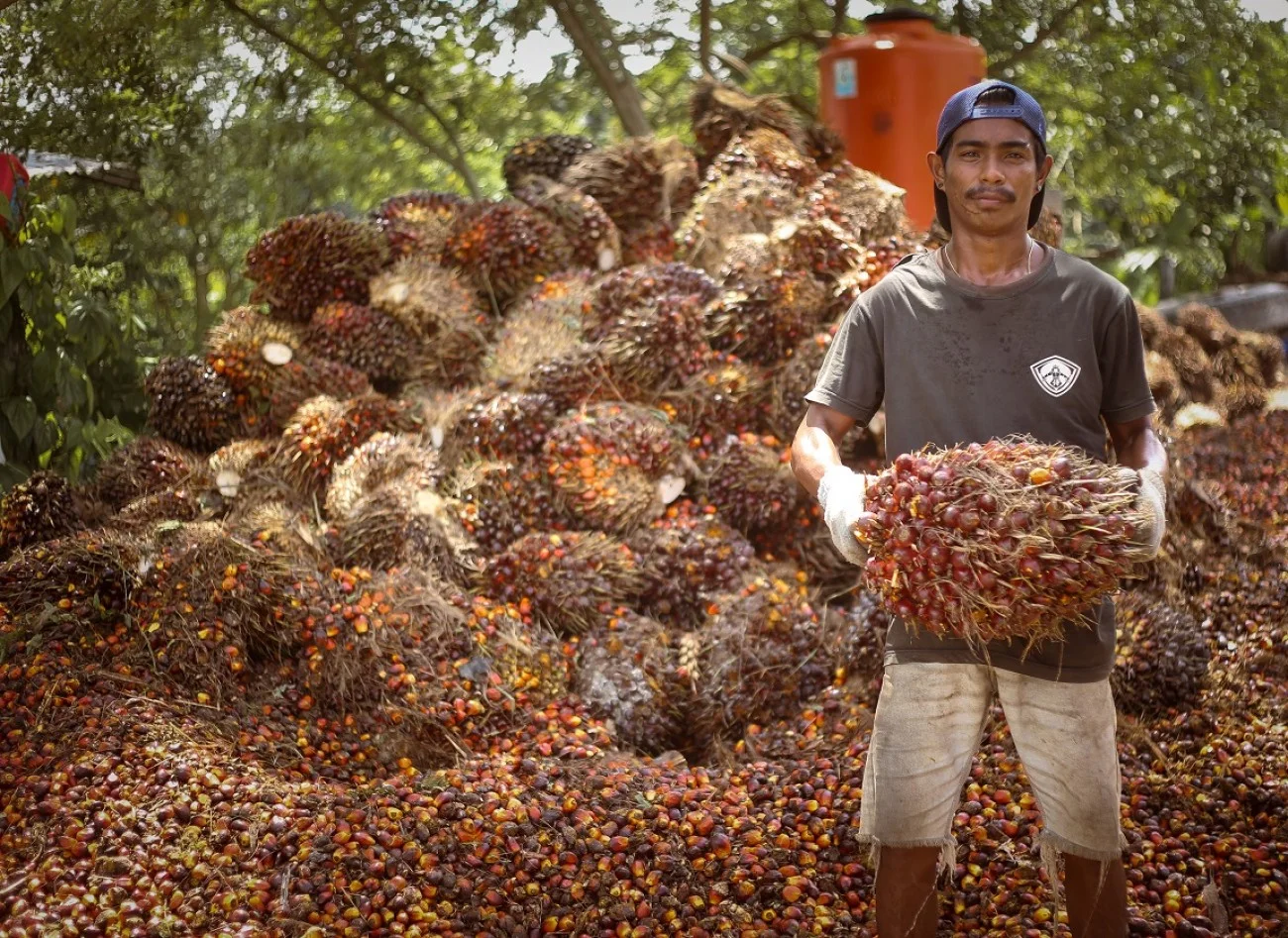
RRI.CO.ID, Jakarta - The Indonesian government has formally requested the World Trade Organization (WTO) Dispute Settlement Body (DSB) to authorize the suspension of concessions against the European Union (EU). This retaliatory move follows the EU's failure to meet the deadline to adjust its policies or to achieve "full compliance" with the WTO's previous rulings and recommendations regarding Indonesian palm oil.
Minister of Trade, Budi Santoso, confirmed on Saturday, March 7, 2026, that the decision was triggered by the EU’s inability to align its regulations with the Palm Oil Dispute Panel’s findings (DS593: EU-Palm Oil). Furthermore, the EU has reportedly failed to provide balanced compensation to Indonesia for the ongoing trade barriers, prompting Jakarta to invoke its rights under international trade law.
The request for suspension aligns with Article 22.2 of the WTO’s Understanding on Rules and Procedures Governing the Settlement of Disputes (DSU). This mechanism allows a member country to seek "retaliatory" authority to offset economic damages caused by another member's non-compliance.
While the initial focus of the suspension will target the goods sector, the Indonesian government remains open to applying measures to other sectors as well.
“Indonesia can apply for the authority to suspend concessions to the DSB with the aim of safeguarding Indonesia's rights in the future if the EU cannot comply with the WTO Panel's decision,” said Minister Budi Santoso, as quoted by Antara.
He emphasized that while the government will calculate the exact losses meticulously, they intend to handle the case effectively while maintaining bilateral diplomatic relations with the EU.
The financial impact of the EU’s restrictive policies has been described as significant. Local industry players, represented by the Indonesian Palm Oil Association (GAPKI) and the Indonesian Biofuel Producers Association (APROBI), have voiced their strong support for the government’s move.
The lost potential in annual export value has caused a ripple effect throughout the Indonesian economy, which relies heavily on palm oil as a primary commodity.
“We will ensure the amount of losses is calculated carefully and the case handling is carried out effectively while in parallel still maintaining bilateral relations with the EU,” Budi explained, highlighting the balance between economic defense and diplomacy.
This legal maneuver is the latest step in a multi-year effort to ensure fair market access for Indonesian palm oil products in the European market. ***
News Recomendation
Loading latest news.....