



DEN Highlights Impact of Iran Conflict on Indonesia’s Energy
- 05 Mar 2026 07:52 WIB
- Voice of Indonesia
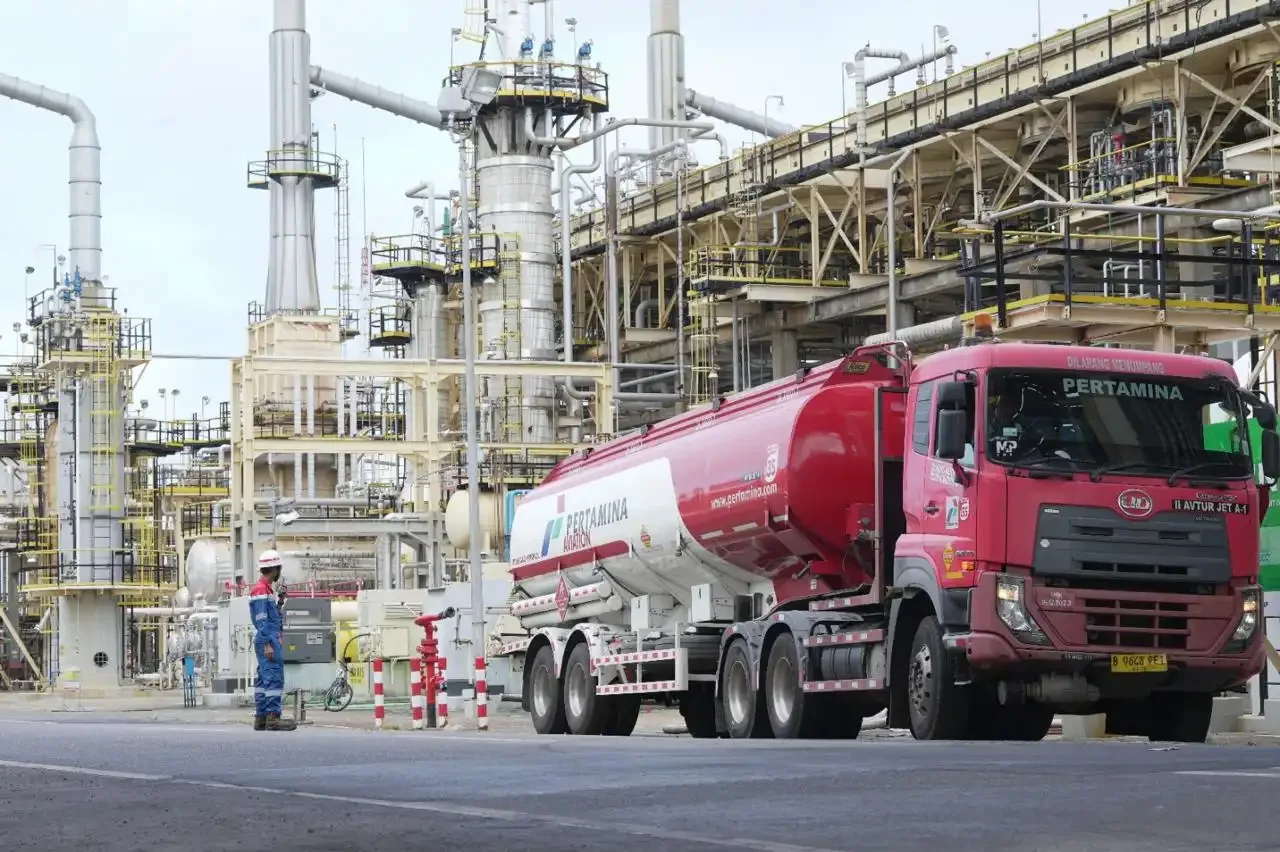
RRI.CO.ID, Jakarta - The latest escalation in the Middle East following United States and Israeli attacks on Iran has raised concerns among countries worldwide, including Indonesia. The conflict has sparked fears over national energy supplies.
Indonesian National Energy Council (DEN) stakeholder member Saleh Abdurrahman said the situation has become a global concern. “All countries are beginning to calculate the impact of the widespread conflict between Iran and the United States,” he told Pro3 RRI on Wednesday, March 4, 2026.
He noted that Qatar, Bahrain, Oman, Saudi Arabia, and Iraq have also been affected by the turmoil. These countries are key suppliers of oil and liquefied natural gas (LNG) to the Asia-Pacific region.
Saleh explained that crude oil and derivative product output have declined significantly. “If the Hormuz Strait is blocked, shipments of oil will be immediately disrupted,” he said.
He added that developed countries maintain energy reserves for up to 90 days to anticipate short-term supply disruptions.
Indonesia, he continued, has operational reserves regulated by the Oil and Gas Downstream Regulatory Agency (BPH Migas). “Every business entity with a trading license is required to store and maintain stocks for 23 days based on average sales,” he said.
The government is also preparing a national Energy Buffer Reserve (CPE), a policy aimed at strengthening energy security during a global crisis.
According to Saleh, Pertamina holds the largest national stock as the main supplier. In general, Indonesia’s fuel reserves range between 21 and 23 days.
“Fortunately, the fuel we consume daily, such as Pertalite, is mostly imported from Singapore and Malaysia. So hopefully, the situation in the Middle East will not greatly disrupt fuel supplies,” he said.
He added that crude oil imports from Saudi Arabia account for about 19 percentand are processed in domestic refineries. Pertamina has prepared measures to diversify its supply sources from Africa and the Americas. “We will immediately cover the 19 percent loss in imports from other sources,” he said.
Saleh stressed that the public should not panic. “People can still buy fuel and LPG anywhere, anytime, in any quantity, without any problems because our production is still sufficient,” he said. (Gusti Panji/Lasti Martina)
News Recomendation
Loading latest news.....