



Indonesia Strengthens Poultry Biosecurity Amid Saudi Import Restrictions
- 27 Feb 2026 11:06 WIB
- Voice of Indonesia
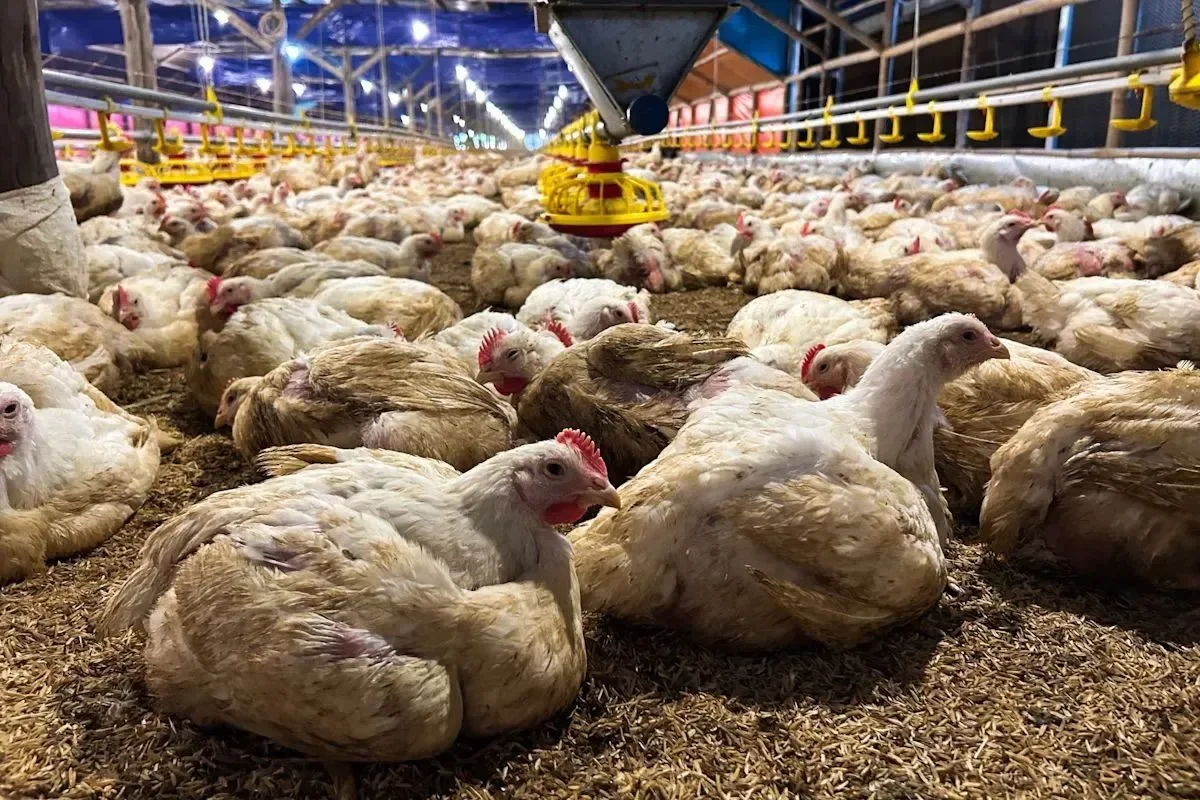
RRI.CO.ID, Mataram – The Agriculture Ministry is strengthening animal health standards and biosecurity oversight following Saudi Arabia’s decision to restrict poultry imports from several supplier countries, including Indonesia.
Director General of Livestock and Animal Health, Agung Suganda, said the government is using the sanitary restriction as momentum to reinforce Indonesia’s position in the global livestock trade.
“Strengthening the animal health system is the main foundation of international market trust. Therefore, we ensure that biosecurity, disease surveillance, as well as the implementation of zoning and compartments run consistently as national standards,” Agung said in Mataram, West Nusa Tenggara, on Friday, February 27, 2026, as quoted by Antara.
The ministry said the import restriction imposed by the Saudi Food and Drug Authority (SFDA) is a precautionary sanitary measure commonly applied in international livestock trade.
Indonesia remains on Saudi Arabia’s list of countries subject to poultry import restrictions. Agung said the policy is not new but part of sanitary measures that have been in place for years and are periodically updated in line with developments in global poultry disease, particularly since the avian influenza outbreaks in the mid-2000s.
Indonesia has been included in Saudi Arabia’s temporary ban list since 2004, following the global spread of avian influenza. The ministry described the measure as part of a dynamic animal health risk management mechanism regularly reviewed by the importing country.
Economically, the ministry considers the impact on the domestic poultry industry to be limited, as exports to Saudi Arabia remain relatively small and the domestic market continues to absorb most production.
However, the government is seeking to expand market access through veterinary diplomacy and downstream development of livestock products.
Indonesia is the largest poultry producer in ASEAN, with a population of around 3.9 billion birds, providing export opportunities for poultry and related products.
Director of Animal Health, Hendra Wibawa, said sanitary restrictions by trading partners are a regular risk-based mechanism in international trade. “The government continues to strengthen biosecurity, surveillance, and disease data transparency to ensure the national animal health system meets international standards,” Hendra said.
He added that zoning and compartmentalization serve as key instruments in efforts to reopen market access, allowing trade from certified areas based on risk assessment.
Director of Downstream Livestock Products, Makmun, said poultry exports to Saudi Arabia remain under negotiation. “Exports of poultry products to Saudi Arabia are still in the stage of negotiating technical requirements,” he said.
Fresh products such as carcasses and eggs have not yet received market approval. “For carcasses and eggs, or fresh and frozen products, they are currently not approved,” Makmun said.
However, he noted progress for processed poultry products. “The agreed requirements are for processed chicken products that have undergone heating at temperatures capable of killing the HPAI (Highly Pathogenic Avian Influenza) virus,” he said.
Indonesia exported 19 tons of processed chicken meat products (HS 16023290) to Saudi Arabia in 2023, valued at approximately USD 294,654. Exports of other processed chicken-based products (HS 210390) increased to more than USD 132 million in 2024.
In 2025, Indonesia obtained export approval for heat-treated retort-sterilized poultry products, including chicken stew (semur), opor, and rendang, for Indonesian Hajj pilgrims.
To meet international standards, the ministry continues to strengthen layered biosecurity measures in poultry production centers, enhance disease surveillance, implement risk-based vaccination, and tighten controls on the movement of poultry and poultry products.
The ministry has also aligned its veterinary health certification system with World Organisation for Animal Health (WOAH) standards, including improving traceability, facility audits, and verification of export-oriented business units.
The government said it will continue technical communication with Saudi authorities to clarify requirements, strengthen veterinary cooperation, and explore gradual restoration of market access, particularly through processed products that meet sanitary standards. ***
News Recomendation
Loading latest news.....