



Govt Urged to Guard Against ART’s Impact on Domestic Agriculture
- 26 Feb 2026 21:46 WIB
- Voice of Indonesia
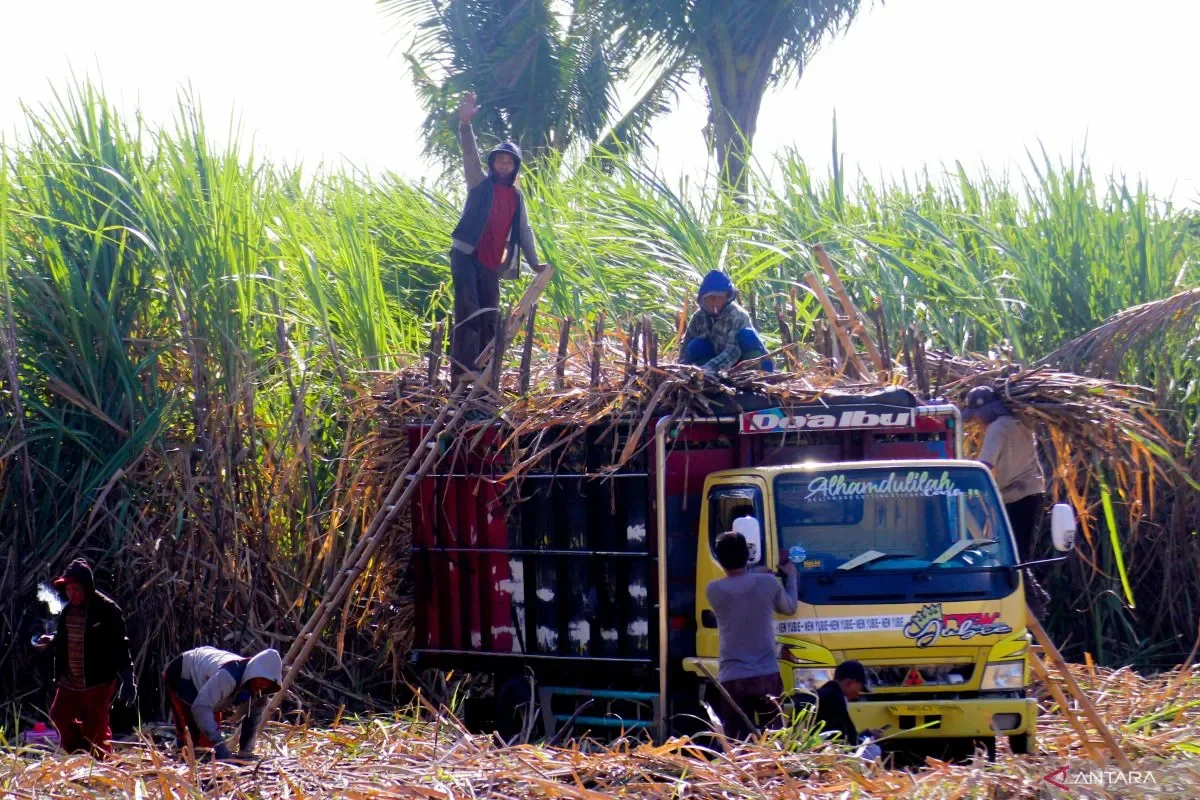
RRI.CO.ID, Jakarta - The Indonesia–United States Agreement on Reciprocal Tariffs (ART) has drawn attention to the direction of national agricultural import and downstreaming policies. Opening trade access is considered to require a more integrated policy design to avoid negative impacts on the upstream sector.
Executive Director of the Center of Reform on Economics (CORE) Indonesia, Mohammad Faisal, said the government must reorganize its import strategy, particularly for food commodities.
He warned that tariff liberalization could pressure domestic producers if not accompanied by adequate protection. “The government needs to be cautious, especially when opening imports in the food sector,” Faisal said in Jakarta on Thursday, February 26, 2026, as quoted by Antara.
He explained that imports remain rational for commodities such as wheat and cotton, which are difficult to cultivate in Indonesia. However, he urged the government to be cautious with commodities that have a domestic production base, such as sugar.
“If we could actually produce it ourselves, for example, sugar, this needs to be considered and guarded against because there will be direct competition with domestic products,” he said.
Faisal noted that low import tariffs benefit consumers by lowering prices, but they also risk weakening domestic producers and job creators. He emphasized the need for a downstream roadmap for each commodity. “The raw materials for downstream industries may come from imports, but obviously, the impact will not be maximized if they can actually be produced domestically,” he said.
In the ART document, Indonesia committed to importing 1.3 million metric tons of wheat from the US annually. Data from the Central Bureau of Statistics (BPS) shows that wheat and rye imports from January to June 2025 reached around 5 million tons, reflecting the industry’s reliance on imported raw materials.
Meanwhile, Coordinating Minister for Economic Affairs, Airlangga Hartarto, said reciprocal tariffs on Indonesian products had been reduced from 32 percent to 19 percent, with the possibility of further cuts to 15 percent. The government stated that the cooperation is both strategic and commercial for the two countries. ***
News Recomendation
Loading latest news.....