



Indonesia Poised to Become Southeast Asia Renewable Energy Leader
- 23 Feb 2026 20:34 WIB
- Voice of Indonesia
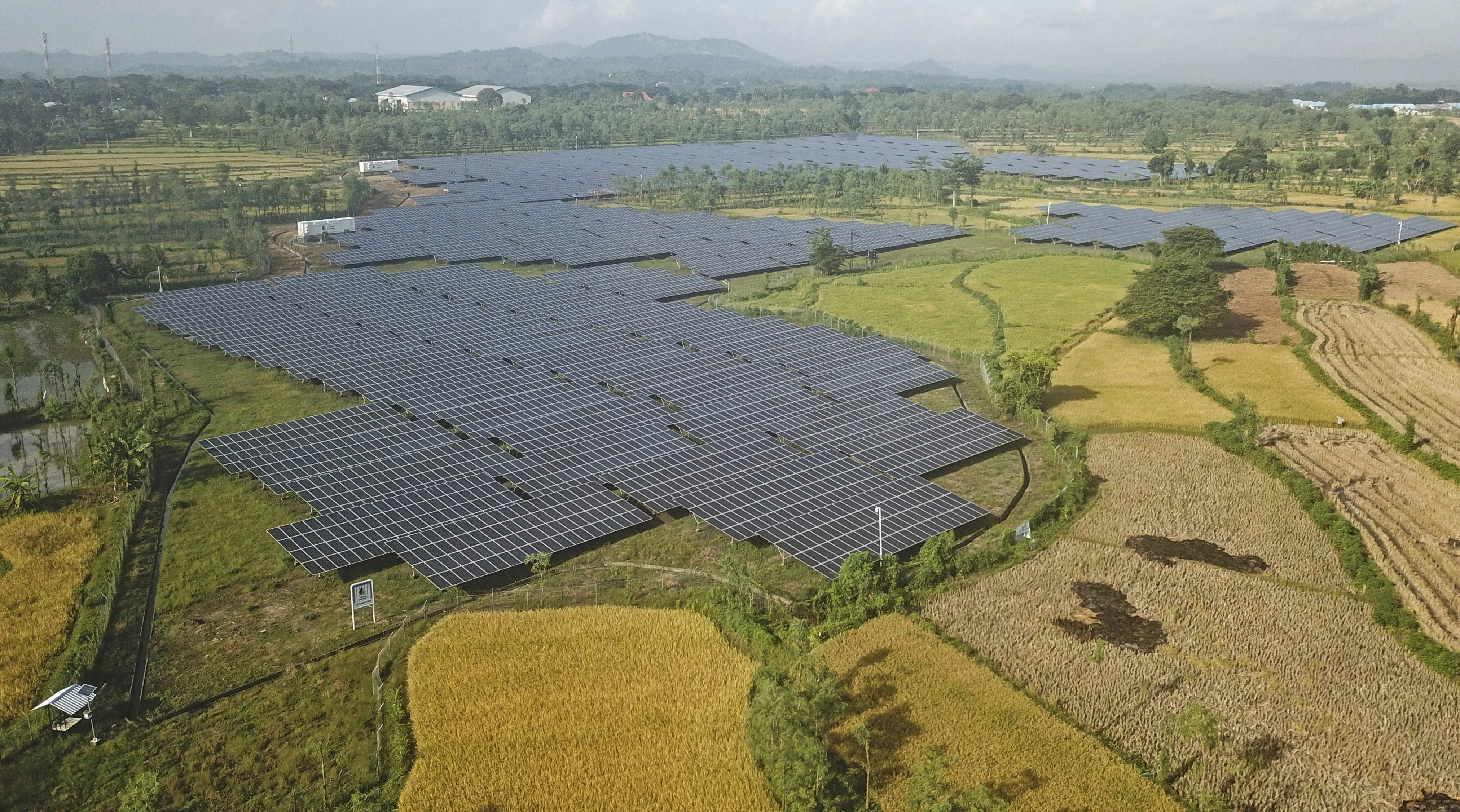
RRI.CO.ID, Jakarta - Indonesia’s opportunity to dominate the Southeast Asian renewable energy market was the primary focus of a statement by the Institute for Essential Services Reform (IESR) in Jakarta on Monday, February 23, 2026.
IESR CEO Fabby Tumiwa detailed how the country can utilize its 7.7 terawatt (TW) solar energy potential to build a competitive and reliable power system that supports sustainable development.
This strategic shift from fossil fuels to solar power is intended to provide a foundation for robust green growth, ensuring that Indonesia’s future energy needs are met through high-quality, domestic renewable sources.
The transition toward a sustainable energy future requires a comprehensive structural overhaul and strong institutional commitment.
“This transformation requires transparent governance, a clear roadmap, competitive procurement, independent supervision, and the strengthening of institutional capacity,” Fabby stated, as quoted by Antara.
A joint study titled “The Solar Archipelago: Indonesia's 100 GW Leap to Energy Sovereignty” conducted by IESR and the Coordinating Ministry for Economic Affairs, highlights several critical steps to achieve this goal.
A primary focus of the report is the initiative to build 100 gigawatts (GW) of solar power plants (PLTS) integrated with Battery Energy Storage Systems (BESS). The study estimates that financing for this massive undertaking will reach approximately USD 70 billion over the next five years.
To secure this funding, the report emphasizes the necessity of cross-ministry coordination, support from the banking sector for green financing, and active participation from the private sector.
Fabby also noted that human resource development is essential to ensure the long-term success of the renewable energy infrastructure. He stressed the need to strengthen the workforce capacity, including installation, operations, and maintenance (O&M) personnel, through training centers across various provinces.
IESR's Head of Energy System Modeling and Analysis, Alvin Putra Sisdwinugraha, identified an initial 26 GW of decentralized solar power combined with BESS derived from existing government programs.
This first phase includes PLN’s plans to replace diesel power plants in underdeveloped, frontier, and outermost (3T) regions, as well as supporting rural electrification for productive economic use.
This foundation is considered a vital acceleration point before reaching the full national integration of the 100 GW solar target. “The remaining capacity towards the 100 GW solar power plant target needs to be integrated into PLN’s Electricity Supply Business Plan (RUPTL)," Alvin said.
"This requires policy trade-offs, namely accelerating the retirement of old and inefficient coal-fired power plants (PLTU) before 2030, as well as reducing or canceling the construction of new coal plants,” he added.
Without these decisive policy shifts, Alvin warned that the space for solar energy development will be severely restricted, risking a fossil-fuel-based overcapacity.
"Therefore, the 100 GW solar power plant initiative inherently drives the need for an RUPTL revision to align with energy transition targets and national climate commitments, while simultaneously preventing stranded assets in the future," he added. ***
News Recomendation
Loading latest news.....