



Indonesia Extends Deadline for Mandatory Steel Standards
- 23 Feb 2026 10:28 WIB
- Voice of Indonesia
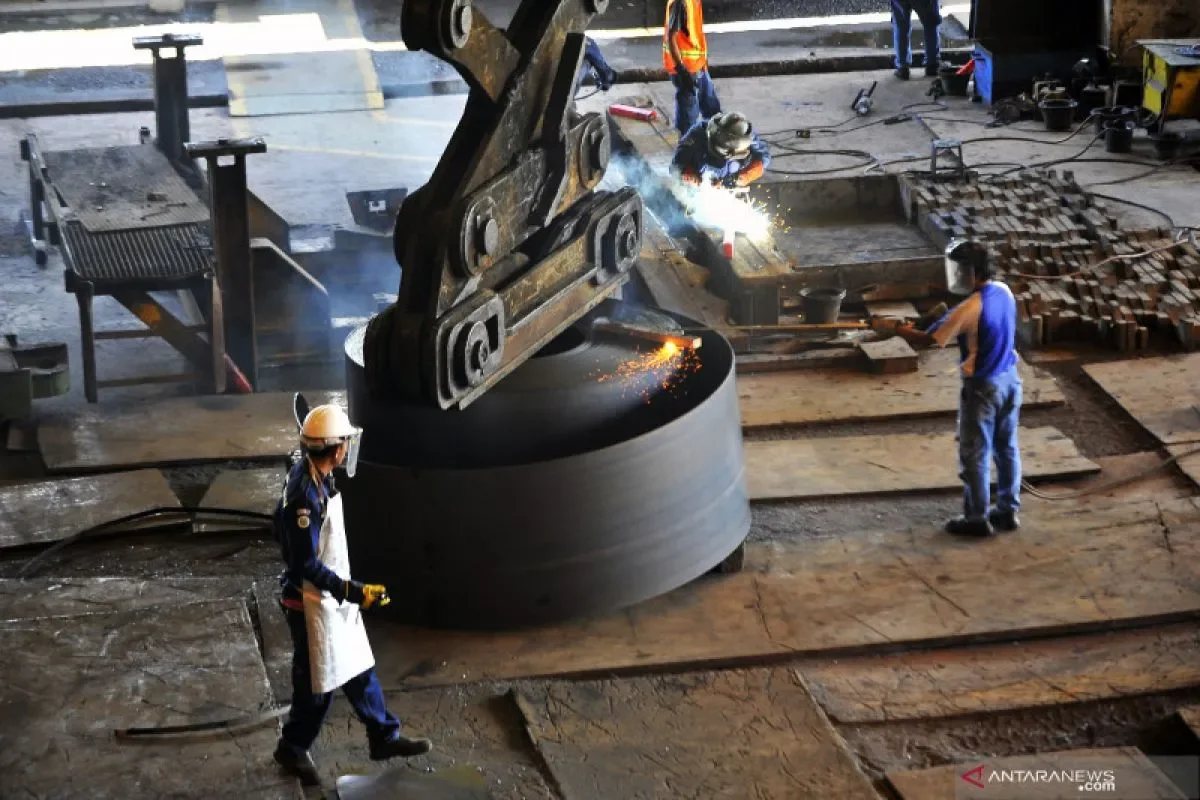
RRI.CO.ID, Jakarta - The Indonesian steel industry is given more time to adapt to mandatory national standards. The Ministry of Industry has announced a one-year postponement in the enforcement of compulsory Indonesian National Standards (SNI) for zinc-coated and aluminum-zinc coated steel sheets, allowing businesses additional flexibility to meet technical requirements.
The move underscores the government’s commitment to ensuring that steel products circulating in the domestic market meet established quality and safety benchmarks, thereby safeguarding construction integrity and protecting consumers. At the same time, the policy aims to foster fair competition, prevent substandard steel from entering the market, and strengthen the competitiveness of Indonesia’s steel industry amid global market pressures.
SNI requirements for zinc-coated steel (Bj LS) have been mandatory since 2008, while aluminum-zinc coated steel (Bj LAS) has been regulated since 2009.
“Considering that the basic regulation (Ministerial Regulation No. 67/2024) was issued in November 2024, businesses have actually had a long transition period to comply with the technical provisions,” Head of the Industrial Services Standardization and Policy Agency (BSKJI), Emmy Suryandari, said in Jakarta on Monday, February 23, 2026, in a statement released by the Ministry of Trade.
Despite this, the ministry opted to grant a one-year relaxation to ease industry concerns and extend the adaptation period. “This measure is intended to eliminate worries among business players about their readiness to comply with mandatory SNI requirements for these products,” Emmy explained.
So far, the industry ecosystem has demonstrated readiness, with certification records showing accountability. Data from the Ministry of Trade indicates that 11 domestic products and seven imported products have already obtained active SNI certification. This progress dispels fears of certification difficulties or potential shortages in the market, proving that the process is accessible to both local producers and importers.
Reaffirming its stance, the ministry emphasized that strengthening standardization through SNI is essential to protect national interests and public safety from non-compliant steel products. “With the additional time provided, the government urges all businesses to complete certification promptly to ensure healthy competition, avoid supply chain disruptions, and guarantee maximum protection for consumers,” Emmy concluded. ***
News Recomendation
Loading latest news.....