



Govt Pushes Innovation in Non-Oil and Gas Processing Sector
- 11 Feb 2026 17:33 WIB
- Voice of Indonesia
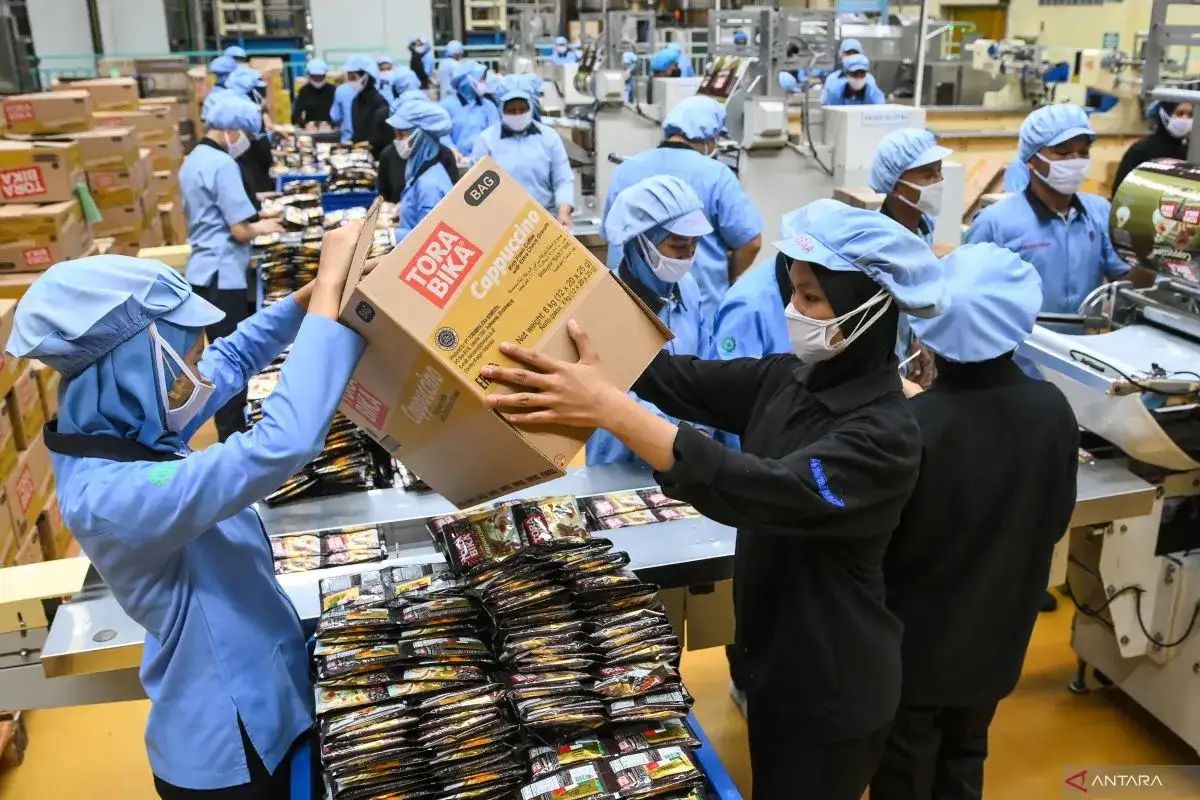
RRI.CO.ID, Jakarta - Indonesian Deputy Minister of Industry Faisol Riza has urged businesses to boost innovation and strengthen upstream-to-downstream integration, as the non-oil and gas processing industry continues to serve as a key engine of Indonesia’s economic growth.
The government is committed to expanding export market access for domestic food and beverage products to maximize the vast potential of the agro-industry subsector.
“We encourage industry players to continue innovating and reinforcing upstream-downstream synergy. They must also expand access to export markets,” Faisol said in Jakarta on Wednesday, February 11, 2026.
The food and beverage subsector grew by 6.23 percent last year, contributing 41.06 percent to the total non-oil and gas processing industry.
Investment realization in the sector reached IDR 80.49 trillion (USD 4.79 billion) by the end of the third quarter of 2025, while employment stood at 6.67 million workers as of August 2025.
Faisol said the natural extract industry holds significant potential to generate higher added value and strengthen exports. The government will support the sector through policies to improve competitiveness, strengthen local supply chains, and enhance human resources and technological capabilities.
Acting Director General of Agro Industry Putu Juli Ardika highlighted the importance of processing Indonesia’s natural commodities, including spices, coffee, tea, and cocoa, to strengthen industrial independence.
“Processing industries based on natural materials such as spices, coffee, tea, and cocoa play a strategic role in creating added value. Downstreaming these commodities will help meet domestic demand while expanding export penetration,” Putu said.
To support this effort, the government has introduced policy instruments, including a machinery and equipment restructuring program, to improve production efficiency and accelerate import substitution. The adoption of environmentally friendly technologies remains a priority in advancing a sustainable national industrial vision.
“Through this program, we aim to ensure raw material availability, support import substitution, and enhance competitiveness through greater efficiency, productivity, and eco-friendly technology,” Putu added.
Several national companies have implemented end-to-end integration in natural resource-based industries. Indonesia’s rich biological resources are now processed using advanced technologies, including natural extraction and steam sterilization. (Gusti Panji/Lasti Martina)
News Recomendation
Loading latest news.....