



ITDC Expands Waste Treatment Facilities in Nusa Dua
- 30 Jan 2026 13:35 WIB
- Voice of Indonesia
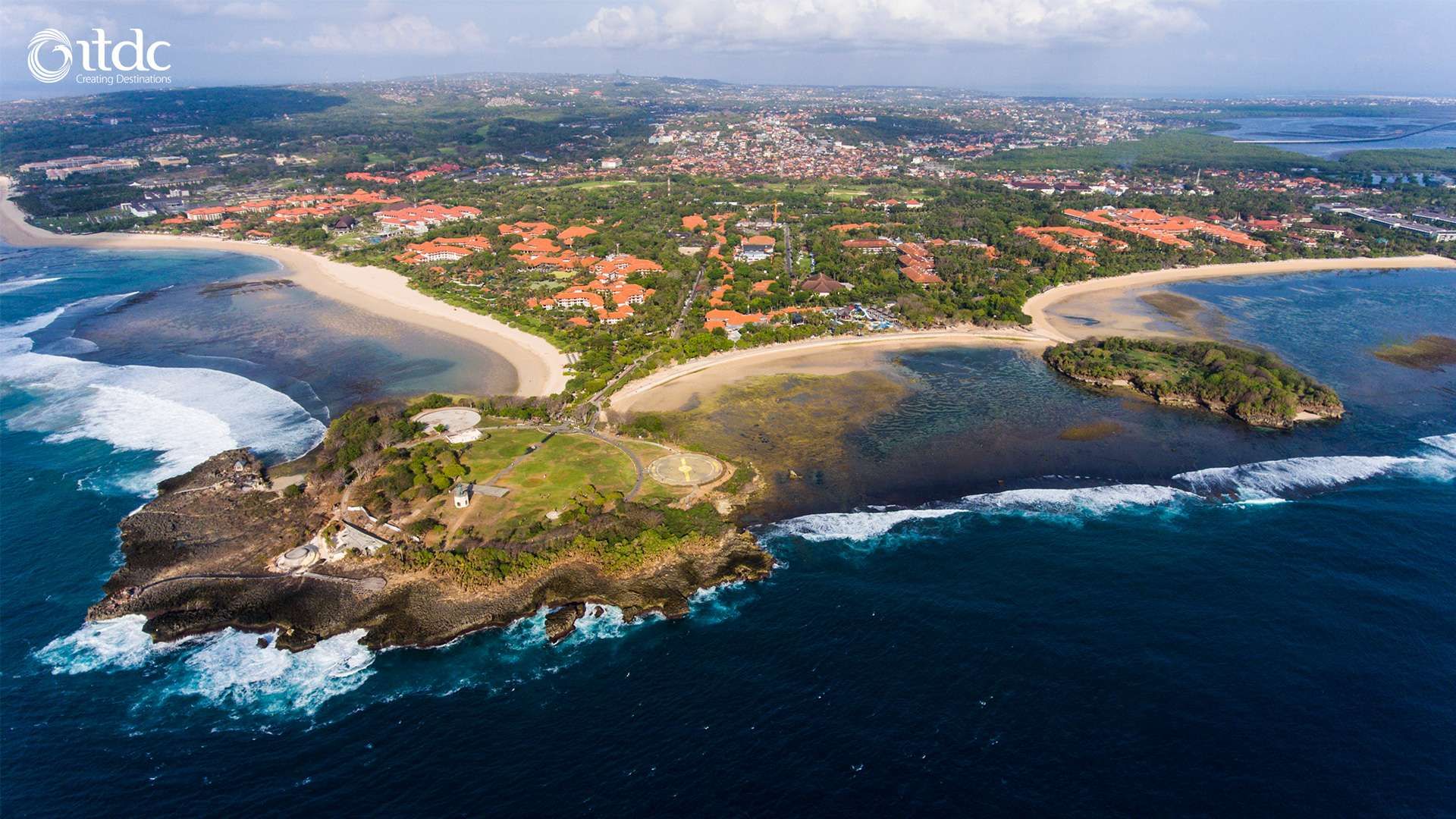
RRI.CO.ID, Badung - Nusa Dua tourism area managers are undertaking new measures to reduce the environmental impact from tourism activities.
The Indonesia Tourism Development Corporation (ITDC) is expanding its reduce, reuse, recycle (TPS 3R) waste management facilities in Badung Regency, Bali.
This policy is being implemented in response to the increasing volume of waste generated by operations in premium tourism areas. ITDC is targeting more integrated waste management within the 350-hectare area.
ITDC's Nusa Dua General Manager, I Made Agus Dwiatmika, said the facility expansion was achieved by doubling the processing site area. “We are increasing the land area from around 2,500 square meters to 5,000 square meters,” said Agus in Nusa Dua on Friday, January 30, 2026, as quoted by Antara.
Agus explained that the TPS 3R development utilizes vacant land in the Lagoon Nusa Dua area. This facility has been processing ITDC's internal waste at a rate of approximately 35 tons per day.
Most waste is organic, accounting for 70 percent of the total. Meanwhile, waste from hotels and restaurants in the area has been managed independently by business operators.
According to Agus, this independent management also involves cooperation with third parties that are legally authorized. With the facility expansion, ITDC creates opportunities for waste management collaboration with hotel and restaurant tenants.
Agus emphasized that this policy will not sever existing partnerships. “Our target for 2026 is to manage waste from tenants within the area, but we will not immediately terminate third parties as long as they have government permits,” he said.
This step is expected to reduce the waste flow to the Suwung Denpasar landfill, which has exceeded its capacity. ITDC is also advancing other environmental innovations, including freshwater production using Seawater Reverse Osmosis (SWRO) technology.
In the last three months, ITDC has produced 331,000 cubic meters (m³) of freshwater from seawater. This technology can produce up to 1.31 million m³ of freshwater annually. ***
News Recomendation
Loading latest news.....