



Palm Oil Industry Seen as Backbone of Indonesia’s Geopolitical Economy
- 23 Jan 2026 13:47 WIB
- Voice of Indonesia
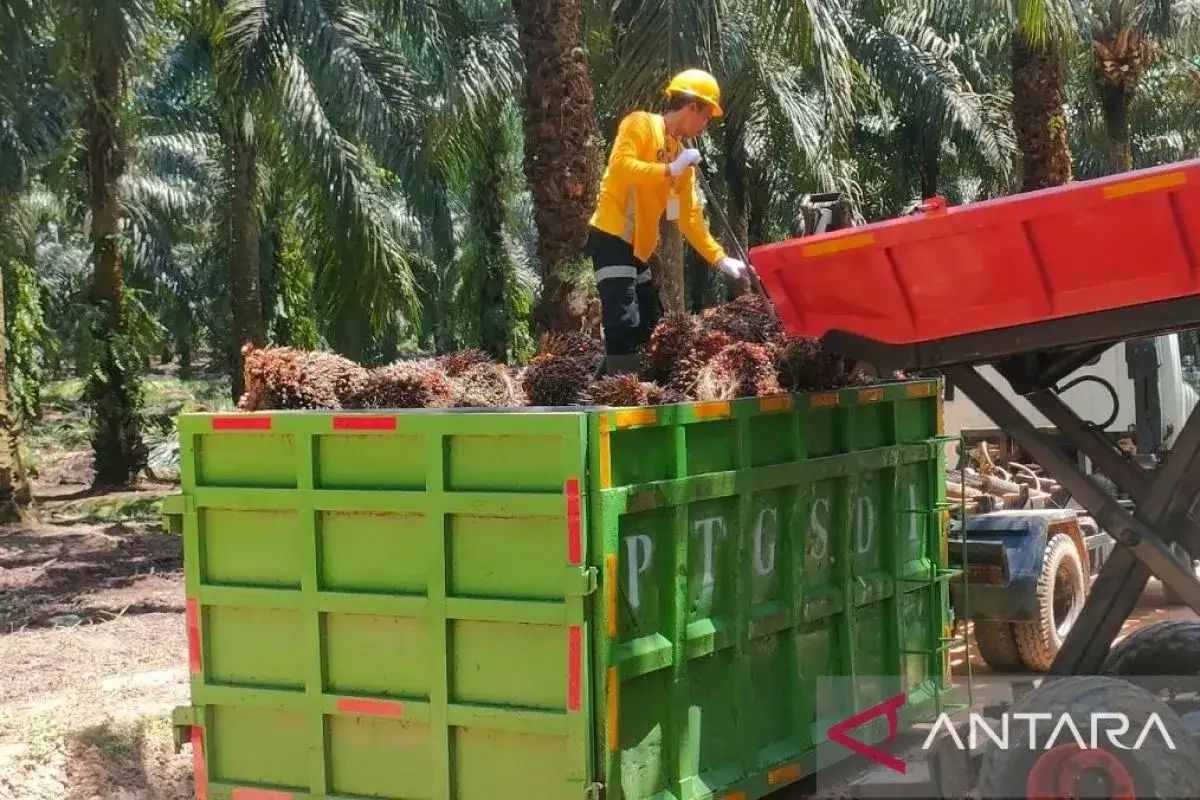
RRI.CO.ID, Jakarta - Industry leaders and academics are urging the government to formally recognize Indonesia’s palm oil sector as a “National Strategic Commodity.”
Speaking at a national seminar in Yogyakarta on Friday, January 23, 2026, experts stressed that palm oil is no longer merely an agricultural product but a vital instrument for national sovereignty, food security, and the global energy transition.
Eddy Martono, Chairman of the Indonesian Palm Oil Association (Gapki), emphasized that the industry provides livelihoods for around 16.5 million households, ranging from smallholder farmers to corporate employees. “We also hope this industry will be part of the solution to food and energy security, regional development, and improved environmental sustainability,” Martono said, as quoted by Antara.
The sector’s macroeconomic contribution is substantial. In 2022, palm oil exports generated USD 39 billion in foreign exchange, helping secure Indonesia’s US$56 billion trade surplus.
By 2025, Indonesia remained the world’s largest producer, managing 17.1 million hectares of plantations and producing 49.4 million tons of crude palm oil (CPO).
To sustain this dominance amid tightening global regulations and environmental scrutiny, experts are calling for a dual-track strategy that prioritizes long-term sustainability and added value.
A key component is hilirisasi (downstreaming), which shifts the industry beyond raw exports toward functional food production with specific health benefits and high-value manufacturing.
The strategy also highlights palm oil’s role in the energy transition, positioning it as a primary feedstock for new and renewable energy solutions. In addition, Indonesia seeks to leverage its 48 percent share of the global market as a geopolitical tool to influence international trade policy and safeguard national economic interests.
Professor Zulkarnain of Mulawarman University noted that palm oil’s superior productivity compared to other vegetable oils has made it a target of international policy disputes.
“Palm oil has transformed from a mere agricultural commodity into a national strategic issue,” he said, adding that its role in regional development and soil fertility management justifies explicit protection under national law.
Academics from UPN “Veteran” Yogyakarta argued that sustainability requires a sociopreneurship approach. This model ensures that as palm oil companies expand, local communities are empowered and the environment is preserved, creating a “plasma-core” system where corporate success directly translates into grassroots prosperity. ***
News Recomendation
Loading latest news.....