



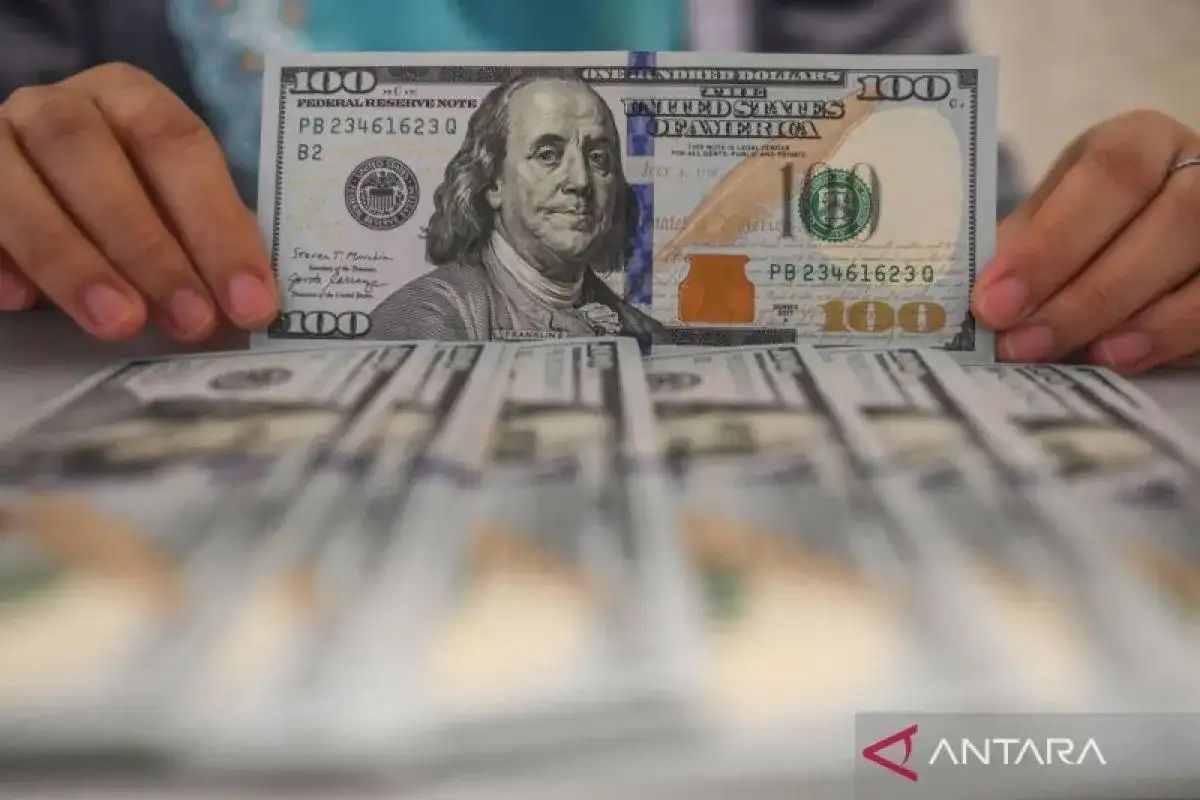
RRO.CO.ID, Jakarta - The Indonesian Rupiah strengthened slightly on Thursday morning, January 22, 2026, as market sentiment improved following Bank Indonesia’s (BI) decision to maintain its benchmark interest rate.
The currency’s recovery was further supported by easing global trade tensions after the United States withdrew aggressive tariff threats against European nations.
In its January 2026 Board of Governors Meeting, Bank Indonesia kept the BI-Rate unchanged at 4.75 percent. The Deposit Facility rate remained at 3.75 percent, while the Lending Facility stayed at 5.50 percent. The move signaled BI’s commitment to prioritizing monetary stability amid heightened global uncertainty.
“By holding interest rates, BI has eased negative expectations by signaling caution, not rushing to raise rates, thereby maintaining the attractiveness of domestic assets,” said Bank Woori Saudara analyst Rully Nova on Thursday, as quoted by Antara.
On the global stage, tensions surrounding the “Greenland dispute” between US President Donald Trump and Denmark showed signs of resolution.
Washington officially retracted its phased tariff threats of 10 to 25 percent against NATO members and dropped a proposed 200 percent tax on French wine. The US also clarified that it would not use military force to pursue its interests in Greenland, a reversal of earlier rhetoric that had fueled volatility.
This geopolitical de-escalation, combined with BI’s steady domestic policy, allowed the Rupiah to open at IDR 16,929 per USD, up from the previous close of IDR 16,936. Analysts expect the currency to trade within the IDR 16,900 to IDR 16,950 range throughout the day.
Looking ahead, BI indicated that while stability remains the immediate priority, there is room for future rate cuts if inflation stays within the target of 2.5 percent plus or minus 1 percent.
The central bank pledged to continue monitoring global developments while strengthening the transmission of monetary easing and macroprudential policies to support economic growth. ***
News Recomendation
Loading latest news.....