



Indonesia Promotes Traditional Tuna Fishing to Safeguard Sustainable Supply
- 26 Nov 2025 03:29 WIB
- Voice of Indonesia
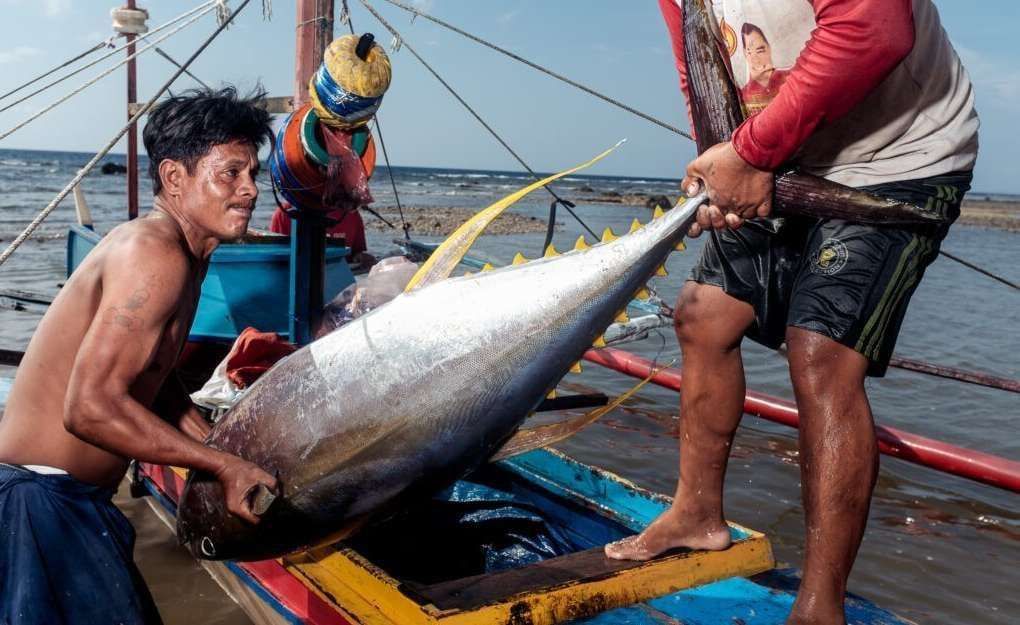
KBRN, Jakarta: Indonesia, the world’s largest producer of tuna, is reinforcing its commitment to sustainable fishing practices by supporting huhate, a traditional pole-and-line method that has been part of the archipelago’s maritime heritage for decades.
The Tuna Consortium (TC) and the Indonesian Pole & Line and Handline Fisheries Association (AP2HI) say the practice is not only a cultural legacy but also a vital economic asset that strengthens Indonesia’s position in the global tuna supply chain.
“Huhate is more than cultural heritage; it is an economic asset that creates opportunities for coastal communities and the national tuna industry by meeting global sustainability standards, which are now essential for market access,” Thilma Komaling, Program Lead of the Indonesia Tuna Consortium, said in Jakarta on Tuesday, November 25, 2025, as quoted by Antara.
Thilma emphasized that the pole-and-line method carries strategic value for both marine ecosystem sustainability and the coastal economy, while giving Indonesia’s tuna industry a competitive edge.
As the world’s top tuna producer, she noted, Indonesia has a responsibility to balance productivity with conservation.
The huhate technique, considered efficient, selective, and known for minimizing bycatch, produces high-quality tuna and directly supports population stability. Its one-by-one approach enhances product value, opens wider access to global markets, and strengthens Indonesia’s role in sustainable tuna supply chains.
Thilma added that the method also generates sustainable jobs, raises fishermen’s incomes, and builds a credible supply chain aligned with increasingly strict international standards. “Tuna sustainability also means keeping the ocean as a kitchen of protein for current and future generations,” she said.
AP2HI Chairman Abrizal Andrew Ang highlighted that most pole-and-line operations are run by small and medium-sized enterprises relying on local labor, from fishermen and processors to distributors. He stressed that each huhate practice delivers a significant multiplier effect for coastal economies, spanning capture, processing, and distribution.
Beyond employment, tuna caught through this method commands a premium in export markets, selling at prices 15–30 percent higher due to compliance with sustainability standards. “Supporting huhate not only preserves tuna stocks but also ensures thousands of fishing families earn stable incomes and have opportunities to improve their livelihoods,” Abrizal said.
Both TC and AP2HI underscored that long-term economic sustainability can only be achieved through responsible, environmentally friendly fishing. By promoting science-based, eco-friendly, and selective pole-and-line practices, Indonesia can continue to strengthen its reputation as a supplier of sustainable tuna while enhancing its bargaining power in both domestic and global markets.
According to the Ministry of Marine Affairs and Fisheries, Indonesia remains the world’s largest tuna-catching nation. In 2024, fisheries exports reached USD 5.9 billion (IDR 98.14 trillion), with tuna, skipjack, and mackerel contributing the largest share of 278,000 tons valued at USD 1.03 billion (IDR 17.1 trillion). ***
News Recomendation
Loading latest news.....