



Govt Policies Drive Strong Growth in Indonesia’s Ceramic Industry
- 15 Nov 2025 09:43 WIB
- Voice of Indonesia
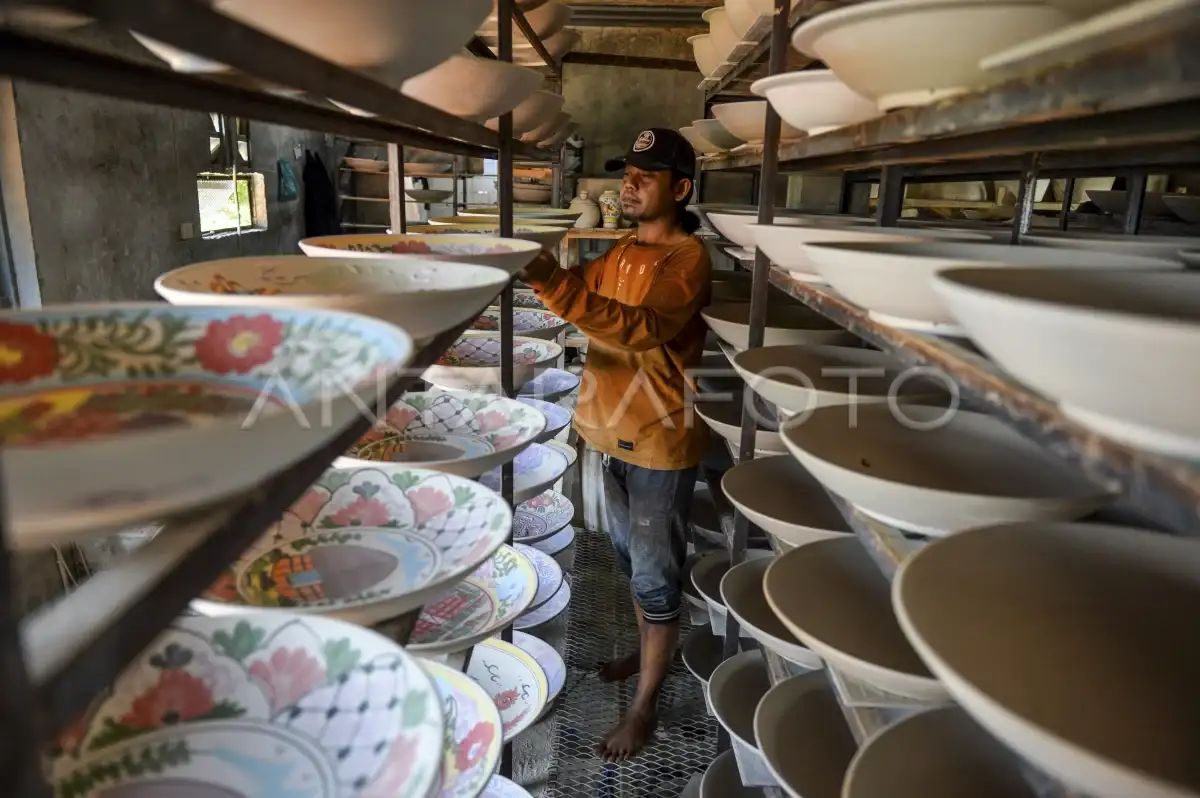
KBRN, Jakarta: Indonesia’s ceramic industry has surged this year, with new production capacity reaching 25 million square meters and creating 1,500 jobs, thanks to government policies including anti-dumping measures, market safeguards, and mandatory national standards, Indonesian Ceramic Association (Asaki) reported on Saturday, November 15, 2025, in Jakarta.
Edy Suyanto, Chairman of Asaki, said these three pro-domestic policies have created a highly positive and sustainable multiplier effect for industry players.
“This year, new production capacity has increased by up to 25 million square meters, creating around 1,500 new jobs,” Edy said in a statement confirmed in Jakarta on Saturday, November 15, 2025, as quoted by Antara.
The expanded production capacity has enabled the domestic ceramic industry to fully replace imported ceramics, which previously reached 80 million square meters per year.
Edy also highlighted another positive development: importers are now collaborating with local manufacturers through Original Equipment Manufacturing (OEM) arrangements. Under this model, importers no longer need to bring products from abroad but instead work with domestic producers to manufacture ceramics under their own brand.
“Almost 90 percent of major, reputable importers have signed OEM contracts with national ceramic manufacturers, and they report being more satisfied than when importing directly,” Edy added.
The national ceramic industry offers several advantages that make the OEM concept increasingly attractive. These include reliable supply and on-time delivery, avoiding delays caused by international logistics. Prices are more stable, unaffected by foreign currency fluctuations, and after-sales service and quality guarantees are available, benefits impossible to achieve through direct imports.
These strengths have made Indonesia’s ceramic ecosystem more competitive and reinforced import substitution in sectors supporting construction and property development. Asaki noted that this success demonstrates the effectiveness of collaboration between the government, industry players, and market participants.
Edy expressed hope that policies supporting the domestic industry would continue, allowing positive growth to persist in the coming years.
With domestic ceramic demand rising and the capability of local producers strengthening, the ceramic sector is projected to become a key driver of Indonesia’s manufacturing industry by 2026. ***
News Recomendation
Loading latest news.....