



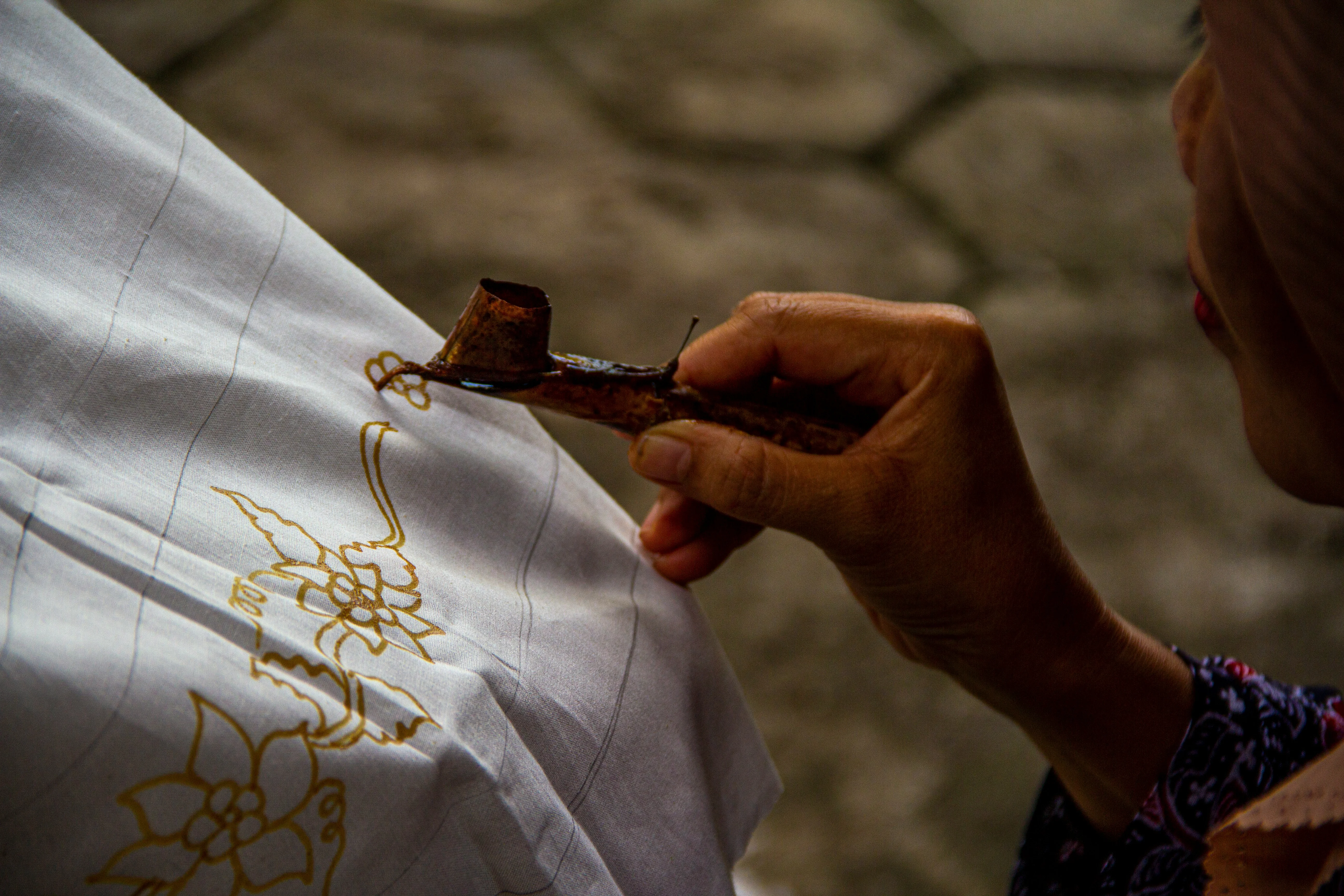
RRI.CO.ID, Jakarta - Indonesia celebrates National Batik Day every October 2, following UNESCO’s recognition of Indonesian batik as Intangible Cultural Heritage in 2009.
Batik is one of Indonesia’s cultural heritages and has a lengthy production process. In general, batik is made by applying malam, a type of wax, to certain parts of the fabric to control which areas will absorb the dye.
The process results in various patterns with distinct characteristics from different regions. According to ruangguru.com, batik production involves several stages with names derived from the Javanese language, and interestingly, many of them begin with the letter “N.”
1. Nyungging – Creating the Pattern
The process begins with creating a batik design on paper. At this stage, the batik maker determines the shapes and arrangement of the patterns that will later be transferred onto the fabric.
2. Njaplak – Transferring the Pattern
Once the design is ready, the pattern is transferred from the paper onto the fabric as a guide for the next stages. This helps the batik maker maintain the shape and position of the pattern according to the original design.
3. Nglowong – Applying the Wax
The batik maker follows the lines of the pattern with malam, a type of wax, using a canting, a traditional tool for applying wax. The wax acts as a barrier to prevent the dye from reaching certain parts of the fabric.
4. Ngiseni – Adding Pattern Details
The main pattern is then given additional details known as isen-isen. These details can include various lines, dots, or other small patterns that make the overall design more complete.
5. Nyolet – Coloring Selected Parts
Certain parts of the pattern are colored separately using a brush. This technique allows batik makers to add different colors to specific details without coloring the entire fabric.
6. Nembok – Covering Areas with Wax
Parts of the fabric that need to retain their existing color are covered again with malam. This prevents those areas from changing color during the next dyeing process.
7. Ngelir – Dyeing the Fabric
Once the selected areas have been protected, the fabric goes through the dyeing stage. The entire fabric is colored according to the planned design.
8. Nglorod – Removing the Wax
After the dyeing process, the malam covering the fabric needs to be removed. The fabric is soaked in hot or boiling water to loosen the wax, revealing the pattern underneath.
9. Ngrentesi – Adding Fine Dots
This stage adds small dots as additional details to the pattern. A canting with a finer tip is used to create smaller and more precise dots.
10. Nyumri – Reapplying the Wax
During nyumri, certain parts of the fabric are covered with malam again. This step protects specific colors before the fabric goes through the next stage of the process.
11. Nyoja – Applying Sogan Dye
As one of the coloring stages, the fabric may be dipped in sogan, a brown color commonly associated with Javanese batik. The color gives a distinctive character to some traditionally made batik fabrics.
Each stage of batik-making requires precision and patience. The series of processes also shows how a piece of fabric goes through many stages before becoming a finished batik with its distinctive patterns.
News Recomendation
Loading latest news.....