



Indonesian Jamu: The Ancient Art of Herbal Wellness
- 28 Sep 2026 22:18 WIB
- Voice of Indonesia
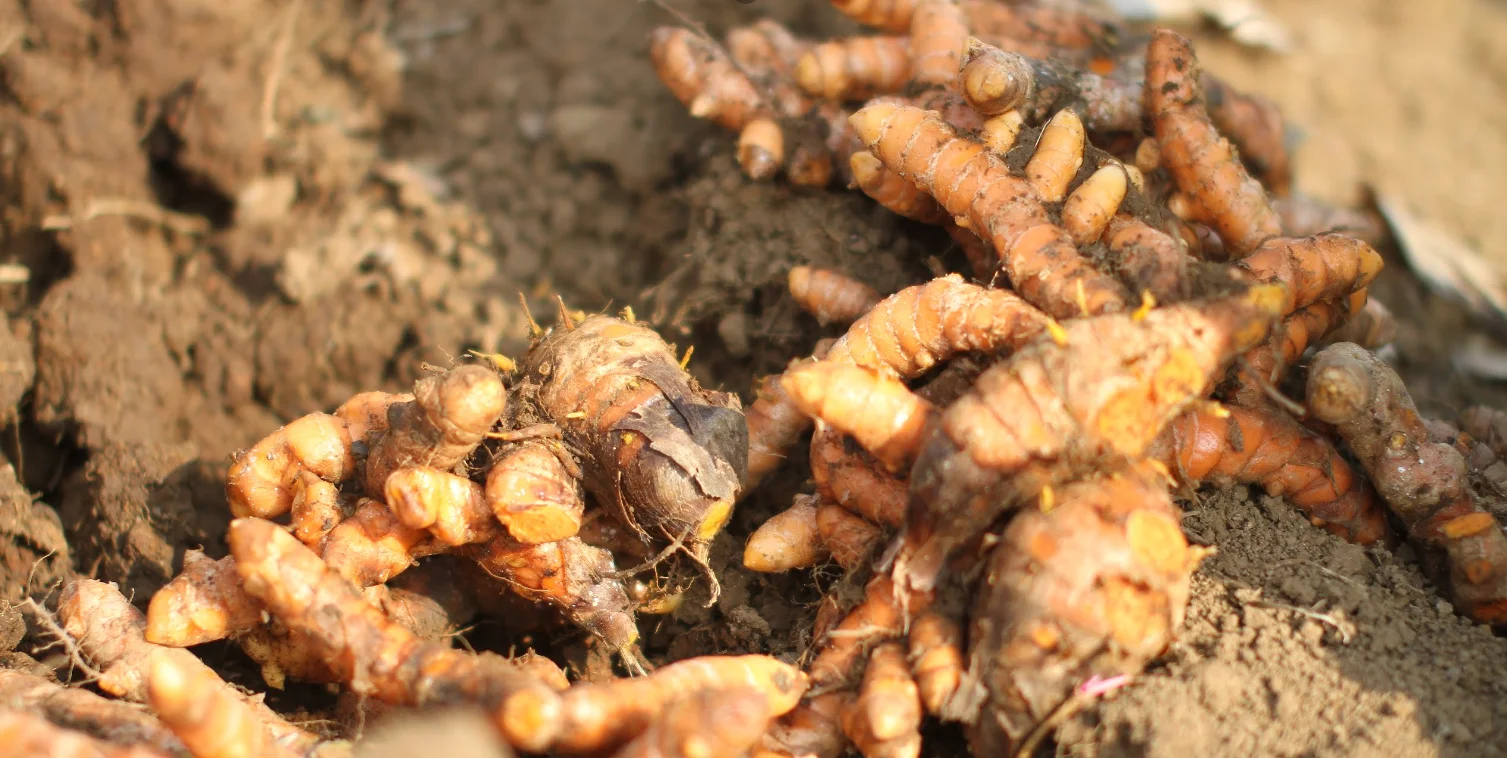
RRI.CO.ID, Jakarta - Turmeric, temulawak (Javanese turmeric), and ginger have long supported Indonesia's traditional health practices through jamu. These yellow-colored rhizomes are also widely used in Indonesian cooking and remain important ingredients in traditional herbal preparations.
For generations, Indonesian communities have used plants growing naturally around them to maintain health and address various ailments. These preparations can be consumed as drinks or applied externally as traditional herbal treatments.
Jamu developed through generations of experience and became closely connected with Javanese culture. Historical texts, including Serat Centhini from 1814 and Serat Kawruh Bab Jampi-jampi Jawi from 1831, document plants and practices used to prepare traditional remedies.
Javanese traditions also view health through physical and non-physical aspects. In some traditional practices, prayers are recited over herbal preparations before consumption or external applications such as pilis (herbal forehead paste) and tapel (herbal abdominal paste).
This practice shows how jamu extends beyond herbal ingredients and treatment methods. It has become a cultural product shaped by the history, beliefs, knowledge, and daily life of Indonesian communities.
One notable center is Nguter Jamu Village in Sukoharjo, Central Java, which is known for its traditional herbal medicine industry. Jamu products from the area are distributed to various parts of Indonesia and are also sold at Nguter Market.
Nguter Market was officially designated as a jamu market in 2015 after herbal products became its dominant merchandise. Hundreds of merchants sell packaged jamu, herbal ingredients, equipment, and tools for preparing traditional remedies.
Akar Sari in Solo is another established shop supplying natural ingredients for jamu from different parts of Indonesia. The shop provides dried herbs, herbal ingredients, and powdered products for traditional preparations.
The long history of jamu reflects Indonesia's extensive knowledge of local plants and traditional wellness practices. Preserving this knowledge also supports recognition of jamu as a distinctive cultural product rooted in Indonesian history.
News Recomendation
Loading latest news.....