



Gunungkidul Preserves Traditional Javanese Houses as Cultural Heritage
- 23 Sep 2026 13:41 WIB
- Voice of Indonesia
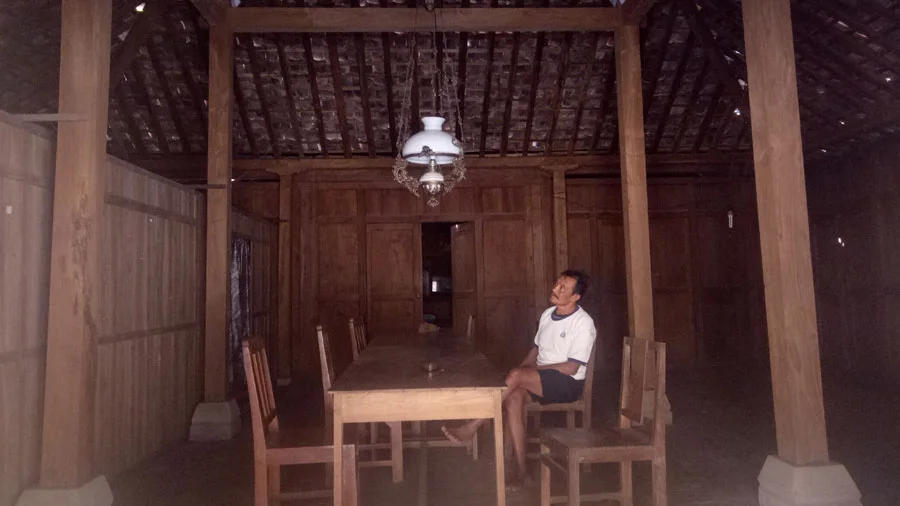
RRI.CO.ID, Gunungkidul - Gunungkidul preserves traditional Javanese houses that reflect the region's architectural heritage and cultural history. These historic buildings remain protected because they retain distinctive designs, materials, and traditional knowledge.
At least 20 traditional Javanese houses in Gunungkidul have been recognized as cultural heritage sites. Their protection helps preserve architectural values, historical knowledge, decorative elements, and traditional construction techniques for future generations.
According to the Gunungkidul Culture Office, traditional Javanese houses generally feature four distinctive roof styles. They include Joglo, Limasan, Kampung, and Panggung, each reflecting different characteristics within traditional Javanese architecture.
Traditional houses also contain several spaces with specific functions in everyday Javanese household life. These include the entrance gate, front porch, rear dining area, side structures, and traditional kitchen.
The Kartiwinata Traditional House in Tileng, Saptosari, represents one example of this carefully preserved architectural heritage. Built in 1930, the house combines Joglo, Limasan, and Kampung structures with original wooden elements.
The Trisno Diharjo Traditional House in Ngloro also retains several important features of traditional Javanese architecture. Its structure uses teak wood, original wooden walls, and distinctive tumpang sari elements.
The Joglo Peniyung in Genjahan, Ponjong, has another distinctive architectural feature that attracts cultural interest. Its roof rafters point toward the central ridge, creating a pattern resembling an umbrella's ribs.
Several traditional houses also preserve stories connected with important historical figures and events in Gunungkidul. The Sri Subening Traditional House, for example, was reportedly visited by General Sudirman during his guerrilla campaign.
Other houses once served both residential and administrative functions within local communities. The Kromopawiro Traditional House, built in 1918, also served as the Genjahan village government office.
Preserving these houses protects more than physical structures from the past. Their architecture, materials, spatial concepts, and historical stories continue to offer insight into Javanese cultural heritage.
News Recomendation
Loading latest news.....