



Kromojati Batik Reflects Bohol’s Teak Planting Wedding Tradition
- 22 Sep 2026 08:24 WIB
- Voice of Indonesia
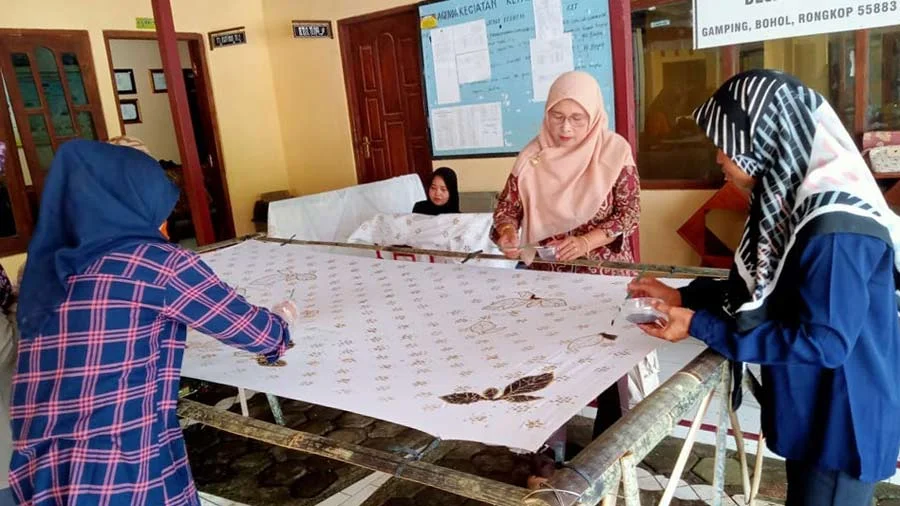
RRI.CO.ID, Gunungkidul - The Kromojati tradition in Bohol, Gunungkidul, combines marriage customs with environmental conservation. Under the tradition, couples preparing for marriage are required to plant 10 teak trees in the area.
The name Kromojati combines “kromo,” meaning marriage, and “jati,” meaning teak tree. The tradition has been practiced since 2007 as part of efforts to preserve the environment in the mountainous area of Bohol.
The tradition has also inspired local residents to create Kromojati batik featuring teak leaves and flowers. The motif illustrates the community's tradition of planting teak trees before a wedding ceremony.
Bohol Village Head Margana said the local women's Family Welfare Movement (PKK) group began receiving batik-making training in 2023. The training later inspired the group to develop a distinctive motif representing Bohol's local identity and cultural practices.
The group produces both hand-drawn and stamped batik using the Kromojati motif. The batik has been introduced at various events, while PKK members also wear the fabric during selected community activities.
Creating the batik requires several stages, including designing patterns, applying wax with a canting tool, coloring, and drying the fabric. The process requires patience and precision because each hand-drawn element is created directly by the artisans.
A piece of Kromojati batik is priced at around Rp200,000. Beyond its material value, the fabric carries the history and philosophy of a local tradition that connects marriage with environmental conservation.
The Kromojati tradition was originally developed to address the area's dry and barren conditions. Since its implementation, thousands of teak trees have been planted across Bohol, with some mature trees later used for house repairs and materials for mosques and prayer rooms.
Residents continue the tradition during both rainy and dry seasons. Symbolic planting can take place before a wedding, while additional trees are planted during the rainy season to support their growth, allowing Kromojati to remain a living example of local culture and environmental stewardship.
News Recomendation
Loading latest news.....