



Batang's Batik Rifaiyah Tackles Artisan Shortage & Market Expansion
- 15 Sep 2026 19:15 WIB
- Voice of Indonesia
Key Points
- Batang's Batik Rifaiyah faced the challenge of regenerating young batik artisans and broadening the product’s market base.
- A partnership involving the Home Affairs Ministry, Ford Foundation, and Batang local administration aims to build a sustainable ecosystem for young batik artisans.
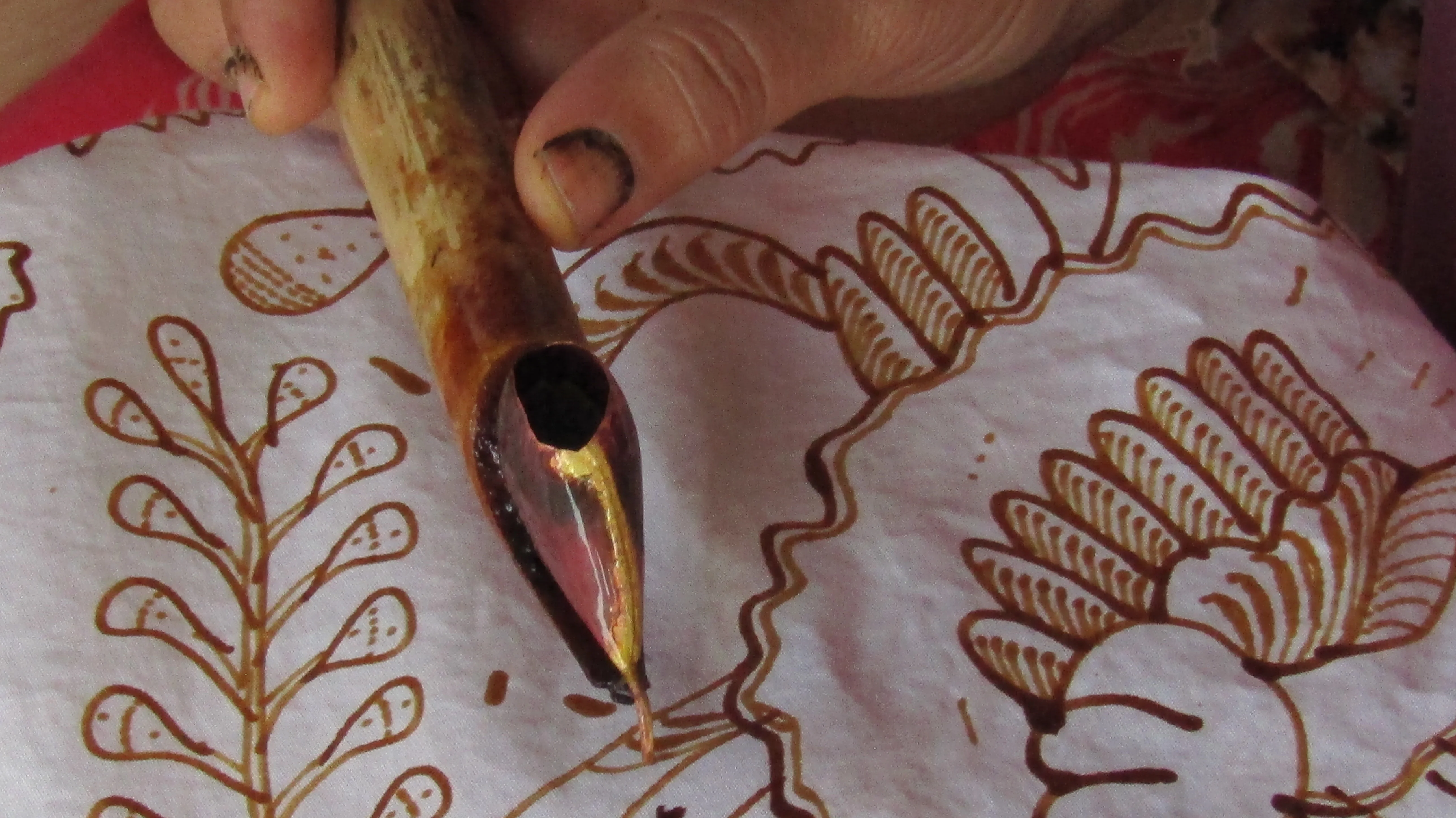
RRI.CO.ID, Batang - Having successfully reached Singapore, Rifaiyah Batik from Batang Regency, Central Java must now overcome two critical obstacles, which are regenerating its generation of artisans and broadening its market base. To preserve the sustainability of the tradition while expanding marketing efforts, the cooperation between the Ford Foundation and the Home Affairs Ministry will be extended.
Rifaiyah Batik is unique because the artisans found only in Batang. The batik bears the teachings of cleric and national hero Ahmad Rifai (1786-1869).
Ahmad Rifai was a contemporary of Prince Diponegoro who faught against Dutch colonialism. After studying Islam in Saudi Arabia and Egypt, he set up a boarding school in his native village, Kalisalak, Batang and had many followers especially around Batang, whose descendants are now members of the Rifaiyah community.
Apart from teaching Islam, he also guided his followers to oppose Dutch colonizers. As a consequence, he was captured by colonial authorities and banished to Ambon and later moved to Manado, North Sulawesi, where he lived until the end of his life.
An analyst for bilateral and regional affairs at the Home Affairs Ministry’s Center for Cooperation Facilitation, Ahmad Rifanto, conveyed that regeneration is crucial so that the existence of both the artisans and the art of Rifaiyah batik-making is not cut short. On the other hand, products that have reached overseas markets still require promotional support to further broaden their market share.
“I spoke earlier with an elderly Rifaiyah batik artisan who remains committed to practicing her craft despite the modest conditions. Although the batik has reached the Singaporean market, promotion remains a challenge, particularly in expanding its market share,” he said at the Rifaiyah Batik Village complex in Kalipucang Wetan, Batang Regency on Tuesday, Sept. 15, 2026.
According to Ahmad, the modest environment in which the artisans work is part of Batik Rifaiyah’s authenticity. Its production process, which continues to preserve traditional techniques, gives the batik a distinctive character compared with contemporary batik products.
“That is where the uniqueness of Rifaiyah hand-drawn batik lies. It is exceptional in its motifs and coloring and differs from batik produced in the contemporary era,” he said.
Regional director of the Ford Foundation Indonesia, Alexander Irwan, said preserving Batik Rifaiyah was not only about ensuring the survival of a cultural product but could also serve as a means of strengthening pluralism and diversity through the art of batik-making. The Batik Bhinneka Tunggal Ika program is one of the initiatives aimed at developing this potential.
Alexander said Batik Rifaiyah had begun to recover over the past three years through collaboration between the local administration and batik artisans. This progress, he added, had the potential to serve as a model for batik revitalization in other regions, particularly in empowering local artisans and encouraging the regeneration of young batik makers.
“Going forward, this distinctive Batang batik could advance further. Given Batik Rifaiyah’s success, it could serve as a model for batik revitalization in other regions by promoting tolerance and diversity, empowering local artisans, and facilitating the regeneration of young batik makers,” he said.
One of the Rifaiyah batik artisans, Miftakhutin, welcomed the Batik Bhinneka Tunggal Ika program because it provided artisans with an opportunity to introduce the process and distinctive characteristics of Rifaiyah batik to younger generations. In her view, such collaborative spaces were essential to ensure that batik-making skills would not disappear with the current generation of active artisans.
“We are very happy to be invited to participate in this kind of collaboration so that the artisans and their work do not become extinct,” she said.
Through the Batik Bhinneka Tunggal Ika program, batik works from various regions across the Indonesian archipelago have also been introduced, including Batik Rifaiyah from Batang Regency. (Annaila Azzahra-EN)
News Recomendation
Loading latest news.....