



Indonesia Uses LiDAR to Explore Majapahit Heritage in Trowulan
- 14 Sep 2026 22:14 WIB
- Voice of Indonesia
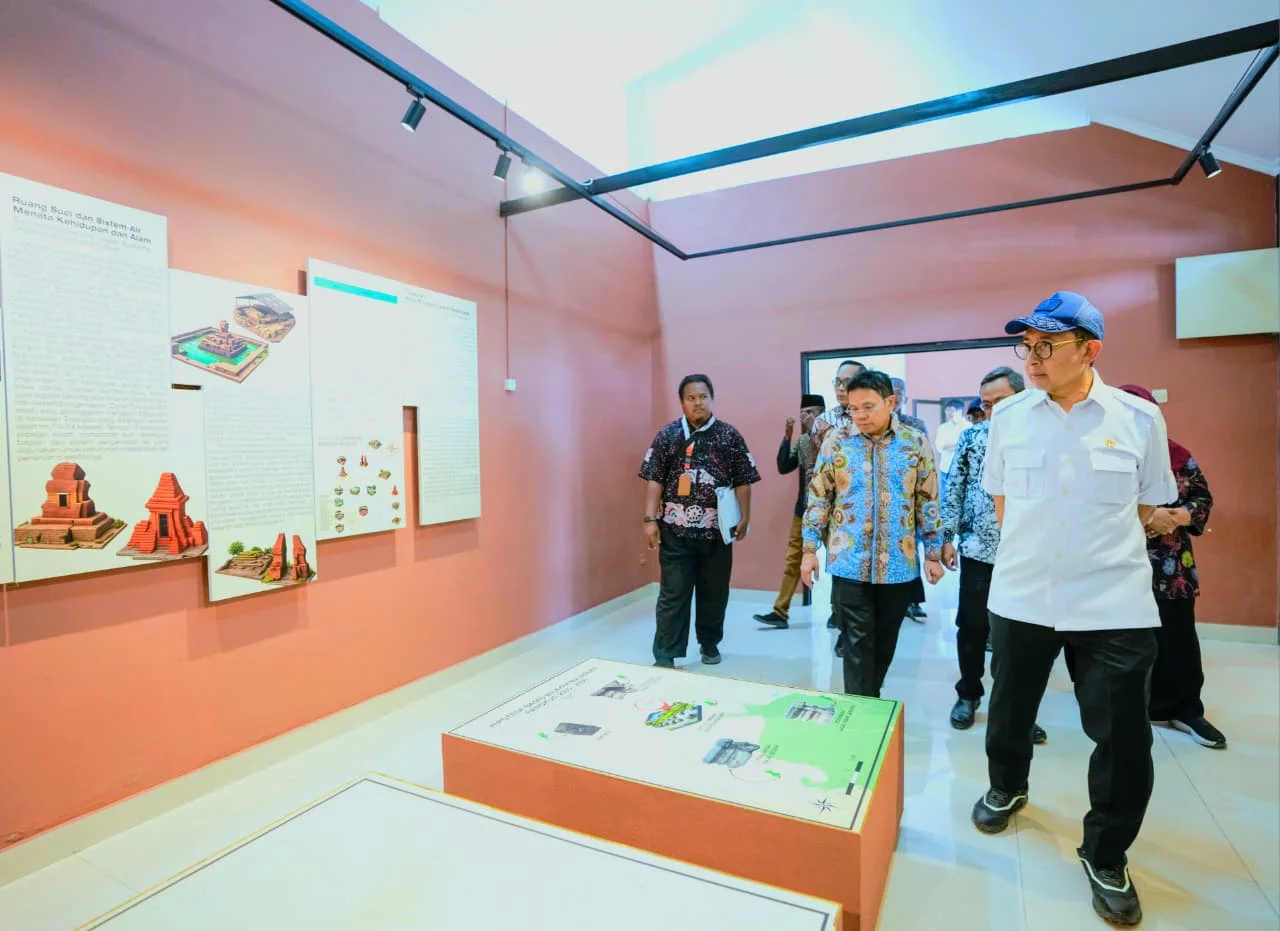
RRI.CO.ID, Mojokerto - Indonesia’s Ministry of Culture is strengthening research and preservation efforts at major historical sites in the Trowulan National Cultural Heritage Area in Mojokerto, East Java, Sunday, 13 September. It is to deepen understanding of the ancient Majapahit civilization.
Minister of Culture Fadli Zon inspected several key sites, including the Sumur Upas Sentonorejo and Bhre Kahuripan sites, as part of efforts to protect authentic artifacts and restore important structures linked to the former Majapahit capital.
At the Sumur Upas Sentonorejo site, Fadli presented findings from LiDAR, or Light Detection and Ranging, mapping technology and recent archaeological excavations. The findings indicate that the area may have been the center of the royal city, or the “zero point” of Majapahit civilization, with evidence of elite residential structures and advanced water infrastructure.
Archaeologists have identified features including bathing and water management systems, irrigation channels, terracotta elements, brick structures, and lime plaster. The findings are considered consistent with spatial descriptions in the Kakawin Nagarakretagama, particularly Canto 8, as well as the travel account of Bujangga Manik.
“Based on LiDAR mapping and excavations, the Sentonorejo area is the zero point of the Majapahit royal city, with infrastructure that was highly advanced for its time,” Fadli said. He added that six layers of civilization have been identified underground, indicating that the area was continuously used over different periods.
The minister also inspected the Bhre Kahuripan site in Klinterjo, believed to be the memorial site of Queen Tribhuwana Tunggadewi, the third ruler of Majapahit and mother of King Hayam Wuruk. The site contains a monumental yoni decorated with a dragon head, known as the Yoni Naga Raja, dated to 1294 Saka or 1372 AD and believed to be the largest yoni in the Indonesian archipelago.
Fadli said the large yoni provides significant historical evidence supporting the identification of the site as the memorial location of Tribhuwana Tunggadewi. The Ministry of Culture, through the East Java Cultural Heritage Preservation Office, is continuing archaeological excavations and restoration of the site’s surrounding structures.
The government said the research is intended not only to preserve physical remains but also to develop a comprehensive and educational historical narrative about the Majapahit civilization. The efforts are being carried out alongside the revitalization of the Majapahit Museum, which is expected to strengthen Trowulan’s role as a center for research and education on the history of the Indonesian archipelago.
Through the use of modern technology, archaeological research, and collaboration among government institutions, academics, archaeologists, and cultural experts, Indonesia aims to preserve Trowulan as a major source of knowledge about its ancient past. The Ministry of Culture said the initiative is expected to help future generations and international visitors better understand the achievements and cultural legacy of the Majapahit civilization.
News Recomendation
Loading latest news.....