



Indonesia and India Partner to Restore 9th-Century Prambanan Temple
- 09 Sep 2026 18:03 WIB
- Voice of Indonesia
Key Points
- Indonesia and India are partnering to restore Prambanan Temple.
- The project aims to boost heritage tourism and local communities.
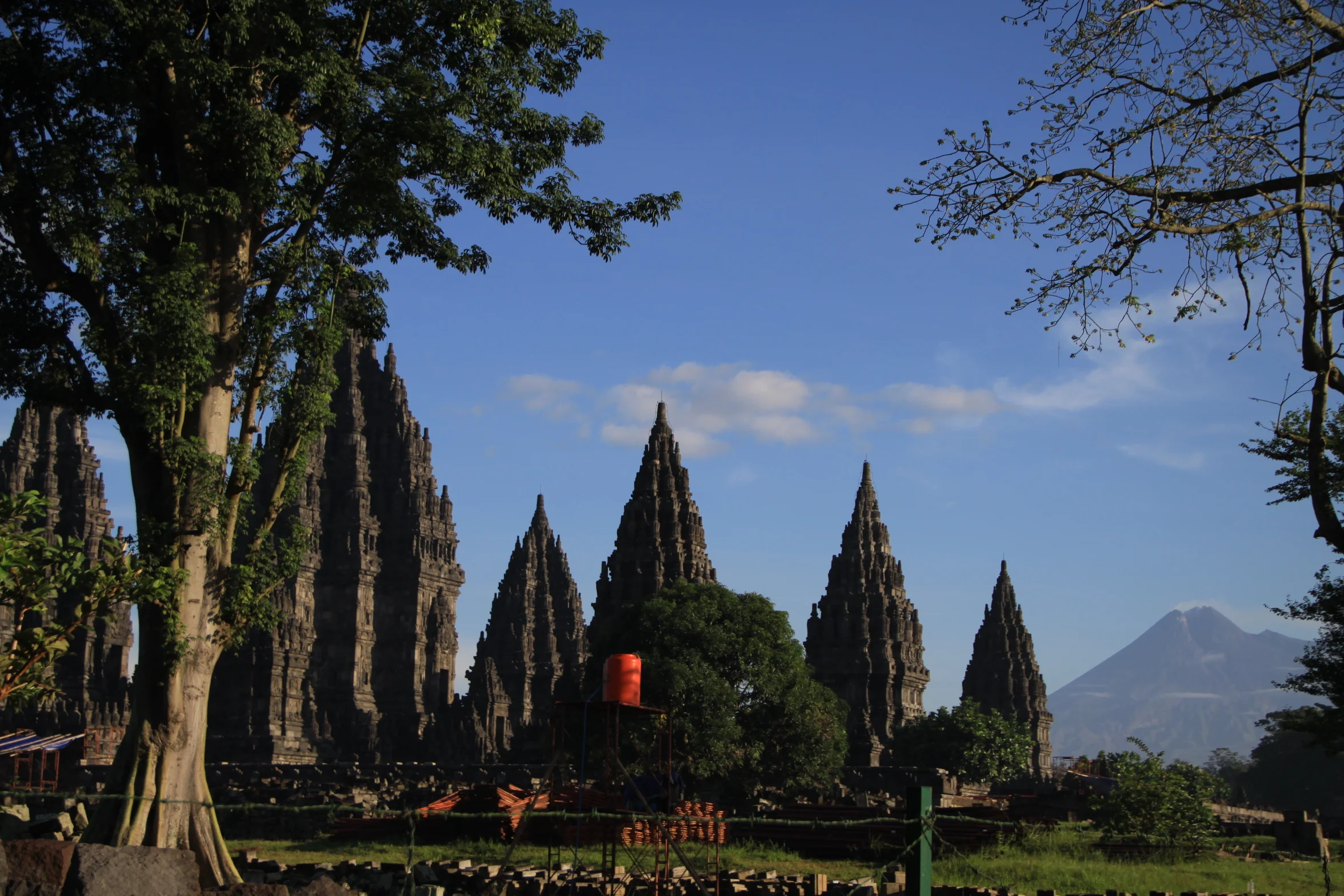
RRI.CO.ID, Jakarta - Indonesia is accelerating a massive, comprehensive restoration of the Prambanan Temple complex, positioning the 9th-century Hindu landmark as a global cultural epicenter through an ambitious international partnership.
The initiative, spearheaded by the Ministry of Culture, aims to fully restore the country's largest Hindu temple complex while transforming it into a vibrant living heritage site that drives community welfare. Minister of Culture Fadli Zon emphasized the depth of the project during an official statement released in Jakarta on Wednesday, September 9, 2026.
"This step is taken to preserve the monumental 9th-century cultural heritage site intact, while simultaneously establishing it as a cultural center and living heritage that impacts the community," he said, as quoted by Antara.
Straddling the borders of Sleman in Yogyakarta and Klaten in Central Java, the grand restoration faces unique hurdles, particularly in rebuilding the perwara shrines surrounding the main sanctuaries of Shiva, Brahma, and Vishnu. Conservationists note that original stone materials have largely dispersed, leaving only 10 to 30 percent of authentic masonry at individual sites, with remaining stones suffering from fractures, salt degradation, and micro-environmental wear.
To overcome these technical obstacles, the Ministry is finalizing a comprehensive study backed by top conservationists, archaeologists, and structural engineers. "We are discussing how to carry out a major restoration of this Prambanan Temple, of course, later it will involve many experts so that we can restore the Prambanan Temple completely," the Minister explained.
A key highlight of the revitalization effort is a collaborative framework with India, which has officially committed to funding and supporting the restoration of one-quarter of the perwara shrine area. In strict compliance with UNESCO guidelines, the remaining three-quarters of the sprawling complex will be meticulously restored by an independent team of Indonesian national experts.
Beyond architectural preservation, the government expects the project to supercharge cultural, historical, and religious tourism ecosystems, creating sustainable economic momentum.
"The hope is that it can attract more cultural tourists, history tourists, religious tourists, from various countries, foreign tourists, and also from domestic," Fadli Zon added, underscoring the vision for a thriving, living monument. As part of this broader national preservation surge, the government also announced forthcoming restoration plans for Candi Sewu, Indonesia's second-largest Buddhist temple complex located nearby in Central Java. ***
News Recomendation
Loading latest news.....