



Ciamis Indigenous Village Preserves Forest Through Ancient Traditions
- 27 Jul 2026 17:54 WIB
- Voice of Indonesia
Key Points
- Kampung Adat Kuta protects its sacred forest through strict customary rules.
- Traditional practices help prevent environmental hazards and preserve local ecosystems.
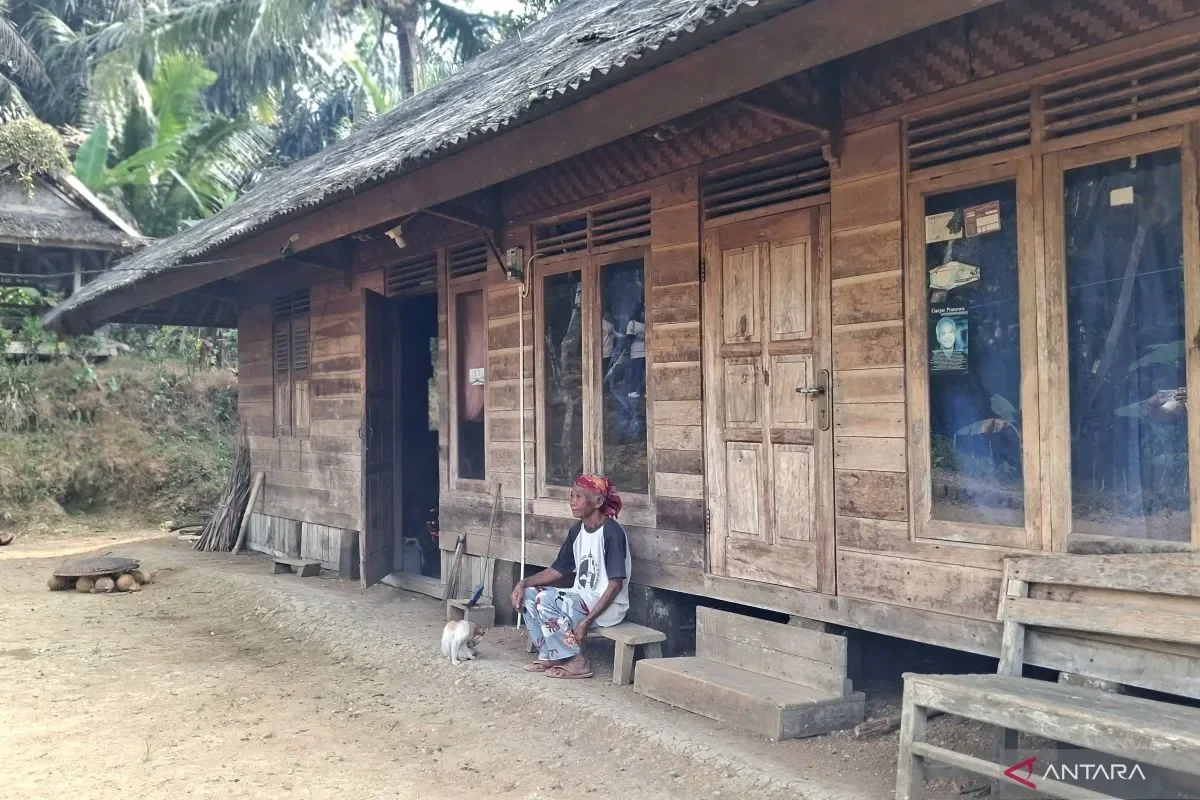
RRI.CO.ID, Ciamis - In the quiet hills of Ciamis Regency, West Java, Kampung Adat Kuta has turned centuries-old custom into its most effective tool for climate resilience, utilizing strict customary taboos (pamali) to safeguard its 31-hectare sacred forest and preserve unstable terrain.
Unlike typical highland topography, the sacred Leuweung Gede forest sits lower than the village settlements, functioning as an essential ecological buffer that prevents land movement and secures local livelihoods.
Secretary of the Kuta Indigenous Community, Firman Khabibi, explained on Monday, July 27, 2026, that adherence to traditional ancestral rules directly underpins the community's survival.
"Maintaining tradition is essentially about ensuring sustainability. Normally, forests are located on higher ground, but here the forest is below us. It supports our community from underneath. If the forest were cleared, our village would disappear because the ground is unstable," Firman said, as quoted by Antara.
The community relies on pamali to regulate environmental stewardship. Under customary law, entering the Leuweung Gede forest is heavily restricted, and taking natural resources, even dry firewood twigs, is strictly prohibited.
"Alhamdulillah, the people here understand the importance of the customary forest. While other places require forest rangers, here it is simple: through pamali, residents will not even take fallen twigs for firewood because of community rules," Firman added.
Environmental sustainability is also reflected in the village's housing and infrastructure practices. All residential homes in Kampung Adat Kuta remain traditional wooden stilt houses (rumah panggung). Constructing permanent brick-and-mortar houses or drilling deep water wells is forbidden due to soft, sandy soil conditions beneath the surface.
"Water is actually easy to reach here, but customary law forbids digging wells because the soil is unstable," Firman noted.
To meet daily water needs without violating cultural bans or causing soil erosion, the community established a municipal-style water system (PAM) sourced from outside indigenous boundaries. Piped water is distributed to households via water meters managed collectively by the village council.
"Water is managed communally. So even though we pay for utility water, we do not violate customary laws, allowing us to keep our traditions intact," Firman said.
Spanning 31 hectares, Leuweung Gede is recognized as the only officially designated customary forest in West Java and remains one of only 10 certified indigenous forests across the island of Java. ***
News Recomendation
Loading latest news.....