



Indonesian Batik Museum Established After UNESCO Designation
- 30 Jun 2026 16:54 WIB
- Voice of Indonesia
Key Points
- he Indonesian Batik Museum was built at TMII following UNESCO's 2009 designation of batik as an Intangible Cultural Heritage.
- The museum features unique architecture resembling folded fabric and houses seven distinct exhibition zones. These rooms guide visitors through the history, traditional making techniques, regional varieties, and modern evolution of batik.
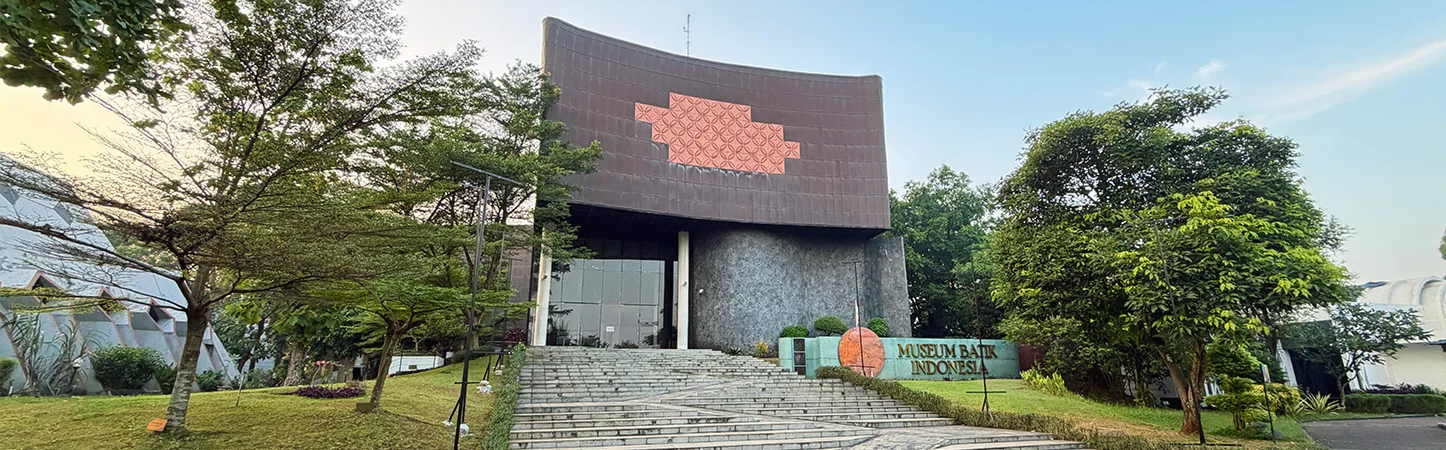
RRI.CO.ID, Jakarta – The ‘Museum Batik Indonesia’ or Indonesian Batik Museum located at Taman Mini Indonesia Indah (TMII), serves as a center for the preservation of Indonesian culture. This facility was established as a follow-up to UNESCO’s designation of batik as an Intangible Cultural Heritage in 2009.
The Indonesian government felt it was necessary to build this facility to pass on knowledge about batik to younger generations. Additionally, the museum serves to strengthen the national character and identity of the Indonesian people.
Construction of the museum building began in 2014 under the Ministry of Education and Culture. The construction process was finally completed in 2018.
Currently, the museum’s operational management falls under the Ministry of Education, Culture, Research, and Technology. This magnificent building features unique architecture resembling the folds of traditional fabric.
The front of the building is adorned with various beautiful batik motifs. One of the most prominent patterns on the exterior walls is the Kawung motif.
The building houses a permanent exhibition space divided into seven distinct zones. Each room presents a specific theme arranged in a systematic and orderly sequence.
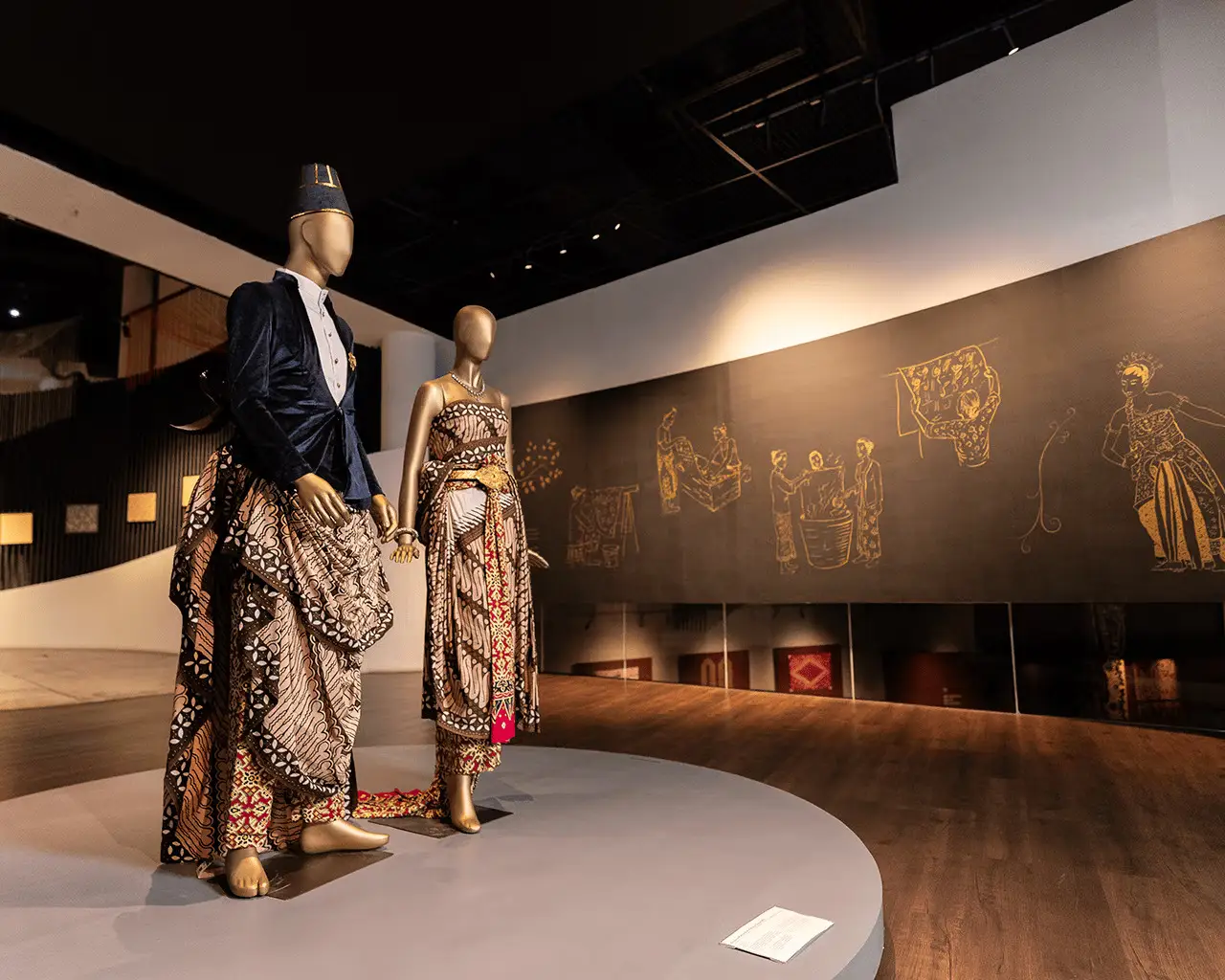
In the first room, visitors can learn about the early history of batik in the Indonesian archipelago and view a replica of the UNESCO certificate. Additionally, there are replicas of ancient statues depicted wearing batik-patterned cloth.
Next, the second room showcases a collection of batik fabrics from various major producing regions in Indonesia. The collection includes batik from Yogyakarta, Surakarta, and Pekalongan, as well as batik resulting from cultural acculturation with foreign influences.
Upon entering the third and fourth rooms, visitors can observe traditional hand-drawn and stamped batik techniques through detailed dioramas. These rooms also educate the public on the traditional uses of batik fabrics in various customs and ceremonies.
In the fifth through seventh rooms, the evolution of modern batik is showcased alongside displays of fabrics belonging to prominent Indonesian figures. This cultural journey concludes with a replica of the magnificent wedding attire belonging to Sinuhun Paku Buwono X.
News Recomendation
Loading latest news.....