



Seni Badud, Pangandaran’s Heritage of Protecting Farmlands
- 22 Jun 2026 12:02 WIB
- Voice of Indonesia
Key Points
- Seni Badud originated in the 19th century as a traditional method to protect crops from wild animals through music and theatrical performances.
- Pangandaran is revitalizing the art form through Kampung Badud and school programs to strengthen cultural tourism and heritage preservation.
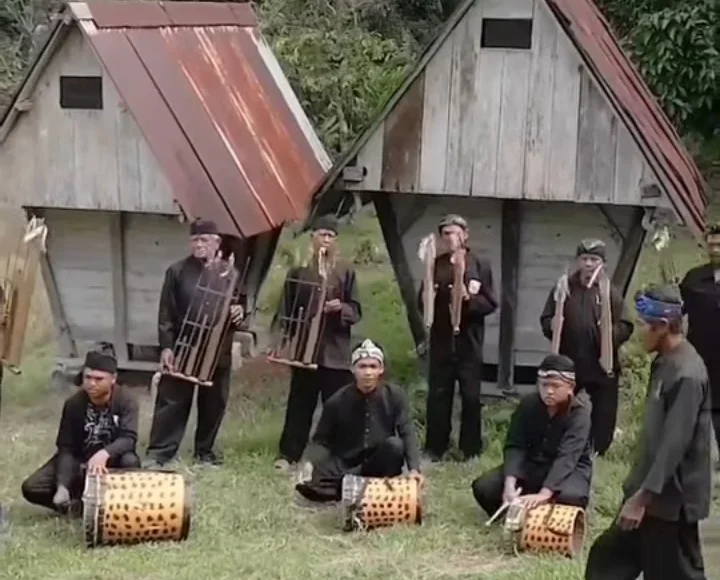
RRI.CO.ID, Bandung - Beyond its exotic coastlines, Pangandaran regency is leveraging its ancestral heritage to diversify its tourism portfolio by reviving Seni Badud (Badud Art).
Originating in Margajaya Hamlet, Margacinta Village, Cijulang Subdistrict, this rare performance art is breaking out of its rural roots to reach the international travel market.
Believed to have emerged in the late 19th century, Seni Badud chronicles the adaptive relationship between West Java’s agrarian communities and the surrounding wilderness. Long before it became a festive spectacle, the art form served as a survival strategy for farmers protecting their livelihoods.
Historically, the performance acted as a sensory deterrent against crop‑raiding animals such as wild boars and macaques, which often threatened farms before harvest season. By creating a high‑decibel acoustic environment combined with erratic theatrical movements, farmers generated an alarm system that startled and drove animals away.
The identity of Seni Badud lies in its fusion of percussion, movement, and improvisational street theater. Its acoustic base is defined by six dogdog (small bamboo drums) played in sync with eight angklung bamboo tubes tuned to the ancient salendro pentatonic scale.
Amid this intense soundscape, performers wear hand‑carved masks and elaborate animal costumes. The chaotic display is anchored by two central human characters -- an elderly grandfather and grandmother -- symbolizing custodians of the farm.
Over time, this defensive ritual evolved into an interactive parade (helaran) infused with physical comedy. In modern showcases, costumed dancers often slip into trance‑like states, performing erratic leaps, agile jumps, and continuous rolls. Their unscripted energy sparks both laughter and awe among audiences in open‑air arenas.
After a period of decline due to urbanization, Seni Badud is experiencing a renaissance as a cultural tourism asset.
The revival is anchored by Margacinta’s designation as “Kampung Badud” (Badud Cultural Village), creating a local ecosystem where the art form is monetized through tourism. To ensure transmission to future generations, authorities have integrated drumming and dance techniques into extracurricular school curricula across the district. (Naura Sofia)
News Recomendation
Loading latest news.....