



Classic Balinese Dance Resists Modern Influx at Bali Arts Festival
- 19 Jun 2026 00:20 WIB
- Voice of Indonesia
Key Points
- Gianyar artists revived the classic Joged Tegaltamu dance tradition dating back to 1961 at Bali Arts Festival 2026.
- The troupe preserved original choreography and music, emphasizing cultural authenticity and heritage conservation.
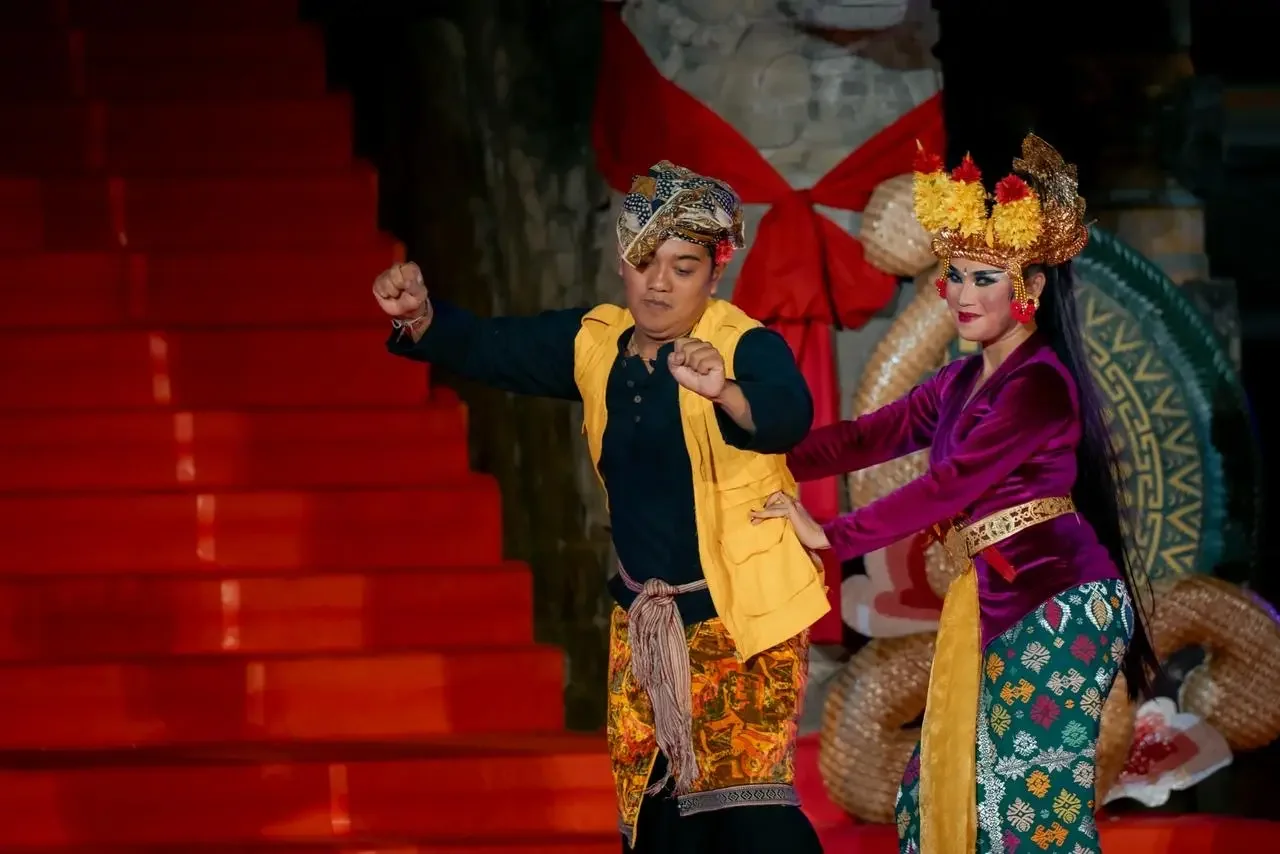
RRI.CO.ID, Denpasar - Amid a growing wave of modern modifications in Balinese performing arts, the historic revival of a dance style from the 1961 era has demonstrated that strict adherence to ancestral rules remains a potent draw for global contemporary audiences.
Representing Gianyar Regency, Bali, the Sekehe Joged Kumbang Dedari of Banjar Tegaltamu staged a classic performance at the Madya Mandala stage of the Bali Provincial Cultural Center in Denpasar, on Tuesday, June 16, 2026. The performance marked a major milestone for the historic Joged Tegaltamu heritage, which dominated Bali's cultural landscape in the 1990s but had recently flown under the radar before being revitalized by a new generation of traditional artists.
The production, titled Joged Kumbang Dedari Tegaltamu, juxtaposes the dynamic and lively movements of a bumblebee (kumbang) against the grace and moral purity of a celestial angel (dedari). This philosophical foundation directly channels the overarching theme of the 48th Bali Arts Festival (PKB 2026), Atma Kerthi: Jiwa Sidha Parisudha, which emphasizes soul purification, spiritual healing, and communal harmony through artistic expression.
While many contemporary art groups choose to heavily modify traditional routines to capture fast-paced modern attention, the Tegaltamu troupe opted for complete loyalty to their original structural code.
The musical arrangement relied strictly on inherited classic compositions passed down through generations. The performance opened with the Tabuh Petegak Ki Layu Menedeng and seamlessly transitioned into accompanying musical numbers, including Tabuh Pengiring Joged Sekar Jepun, Joged Kembang Sari, Joged Tadah Asih, and Joged Paksi Ngelayang. The showcase culminated with the Tabuh Sarwa Anut, mimicking the lingering buzz of a retreating bee to leave a haunting impression on the audience.
The technical identity of the performance rested upon the Ngumbang Ngampid Balang movement, a highly stylized dance technique inspired by the agile, light, and expressive fluttering of grasshopper wings. This distinct physical posture was originally developed by the troupe's 1960s founders, I Gusti Ngurah Gede Sumantra and I Wayan Rija, and remains a deeply guarded trademark of the Tegaltamu village community.
The successful six-month training regimen and subsequent comeback performance required total mobilization from the village's socio-cultural ecosystem, drawing financial, physical, and structural backing from local elders, youth groups, and independent donors.
The Organizing Committee Chairman, I Komang Manik Sumardika, expressed that the performance carried an immense emotional weight for the community, transcending the boundaries of a standard regional assignment.
"This performance isn't just about appearing on the PKB stage as ambassadors for Gianyar Regency. More than that, it's a tribute to our predecessors who passed down the art of Joged Tegaltamu to us," he said.
Sumardika added that the current generation remains intensely dedicated to providing the necessary platform for the art form to thrive in modern times.
"We strive to preserve, care for, and continue this legacy so that it remains alive and loved by current and future generations," Manik continued.
The cultural resilience displayed by the troupe highlights how traditional Balinese art forms can withstand globalized influences and modern competition without diluting their original artistic identity. Sumardika concluded that the deep understanding of local roots provides the community with a clear sense of direction when navigating the complexities of the future.
"Preserving tradition doesn't mean being left behind. In fact, by understanding our cultural roots, we have a strong foundation for moving into the future," said Manik. (Naura Sofia-EN)
News Recomendation
Loading latest news.....