



East Kalimantan Strengthens Preservation of Traditional Dayak Sampe
- 02 Jun 2026 12:11 WIB
- Voice of Indonesia
Key Points
- East Kalimantan is promoting grassroots and education-based preservation of the traditional Dayak sampe instrument.
- Authorities aim to keep the sampe relevant through cultural ceremonies, tourism events, and contemporary showcases.
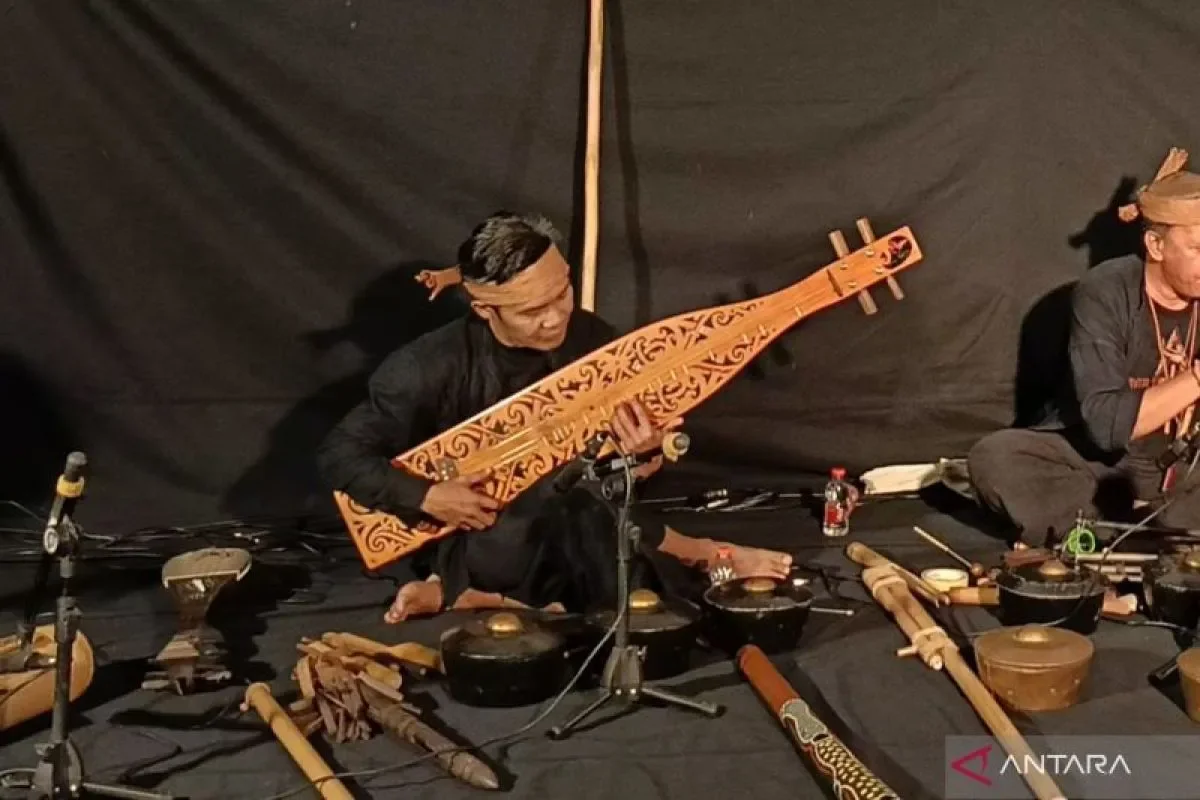
RRI.CO.ID, Samarinda - The East Kalimantan Cultural Preservation Agency is actively intensifying efforts to safeguard and sustain sampe, the iconic traditional string instrument of the Dayak tribe, cementing its status as an essential pillar of Indonesian national identity.
Cultural authorities emphasized that ensuring the longevity of this living heritage requires integrating the instrument into the daily social fabric of local communities rather than relying solely on passive institutional archiving.
The stringed instrument--alternatively known across various regions as sampek, sape, sampe, or kecapi--chronicles centuries of human interaction with the natural environment and shifting social dynamics.
Traditionally crafted from selected wood sourced from the expansive Kalimantan forests, the instrument holds a deep significance that extends far beyond mere entertainment.
"Saving Sampe is not enough by simply putting it in a museum display case. We must also ensure that its cultural ecosystem continues to thrive within the community," Head of the East Kalimantan Cultural Preservation Agency, Lestari, stated in Samarinda on Monday, June 1, 2026, as quoted by Antara.
The intricate decorative motifs carved into the wooden body of the sampe carry profound cultural weight, symbolizing the collective resilience, honor, and grandeur of a community that lives in harmony with its natural surroundings. For the Dayak civilization, the instrument commands a powerful, almost mystical connection to their ancestral heritage and spiritual history.
In assessing modern preservation challenges, cultural officials warned that the greatest threat to heritage conservation often stems from rigid, bureaucratic approaches that fail to involve grassroots community participation.
To counteract this, the government is repositioning itself to act primarily as a facilitator, directly accommodating community-led, bottom-up initiatives to keep the musical tradition alive.
Authorities urged the public to avoid cultural inertia, noting that an over-reliance on stagnant traditions risks creating hardened primordial identities that could ultimately jeopardize Indonesia's broader socio-cultural integration. Instead, cultural heritage is framed as a dynamic, evolving process of transformation, especially when paired with modern creative works.
To ensure the long-term survival of the sampe, the preservation board highlighted the necessity of embedding cultural appreciation into the formal educational system from an early age. This systemic mainstreaming ensures that the legal protection of the instrument aligns seamlessly with its practical utilization and relevance among the younger generation.
"Mainstreaming this culture must be systematically instilled from an early age through education so that the protection of Sampe aligns with its use in society," explained Lestari, advocating for structural educational reforms.
Moving forward, the cultural ecosystem of the sampe will be continuously reinforced through multiple public platforms. The strategy involves consistently showcasing the instrument across sacred traditional ceremonies, regional tourism exhibitions, and contemporary popular cultural attractions to expand its global and local appeal. ***
News Recomendation
Loading latest news.....