



Sulawesi Prehistoric Cave Art Receives Guinness World Records Recognition
- 19 Mei 2026 14:51 WIB
- Voice of Indonesia
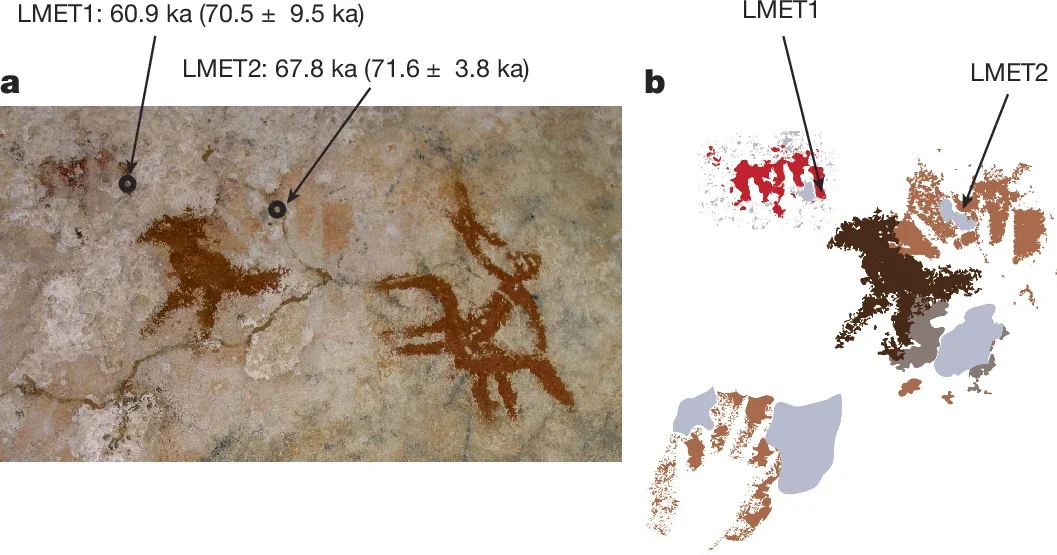
RRI.CO.ID, Jakarta - Indonesia received international recognition after a prehistoric cave painting discovered in Sulawesi. It is acknowledged by Guinness World Records as the world’s oldest known non-figurative cave art.
The recognition was announced during a ceremony held by the National Research and Innovation Agency (BRIN) in Jakarta on Tuesday, May 19, 2026. Guinness World Records representative, May Macmillan, said the artwork consists of red hand stencil paintings dated to approximately 67,800 years ago on Muna Island in Southeast Sulawesi.
“This is for the Guinness World Records title for the oldest painting, non-figurative art, and it is of a stencil hand dated to at least 67,800 years ago,” Macmillan said during the event. She added that details of the discovery were published in the scientific journal Nature in January 2026.
The research was led by Indonesian archaeologist, Adi Agus Oktaviana along with international collaborators. BRIN described the recognition as an important milestone for Indonesia in strengthening scientific research and global cultural heritage preservation.
A video presentation shown at the event by BRIN said the discovery opens “a new perspective on world art history,” noting that symbolic artistic traditions had already emerged in Wallacea during early human migration periods. BRIN also stressed the importance of protecting prehistoric rock art sites, describing them not only as cultural heritage but also as scientific records of human civilization.
On the same occasion, Indonesia's Vice Culture, Minister Giring Ganesha emphasized the importance of research-based historical narratives. He stated that Indonesia now needs “strong research, studies, and historical interpretation” rather than unsupported claims about the past.
He also said cultural research plays a strategic role in shaping national identity and strengthening confidence in Indonesia’s historical contributions to global civilization. He added that concepts such as the state, identity, and even the value of gold are built through collective narratives, just as historical sites become more meaningful when the public understands the stories behind them.
News Recomendation
Loading latest news.....