



Indonesia Weighs Safeguarding Path to Fast-Track UNESCO Woodcarving Bid
- 30 Apr 2026 07:22 WIB
- Voice of Indonesia
Key Points
- Indonesia is exploring a safeguarding approach to accelerate UNESCO recognition for traditional woodcarving.
- The government is also considering joint nominations with other countries to bypass strict submission limits.
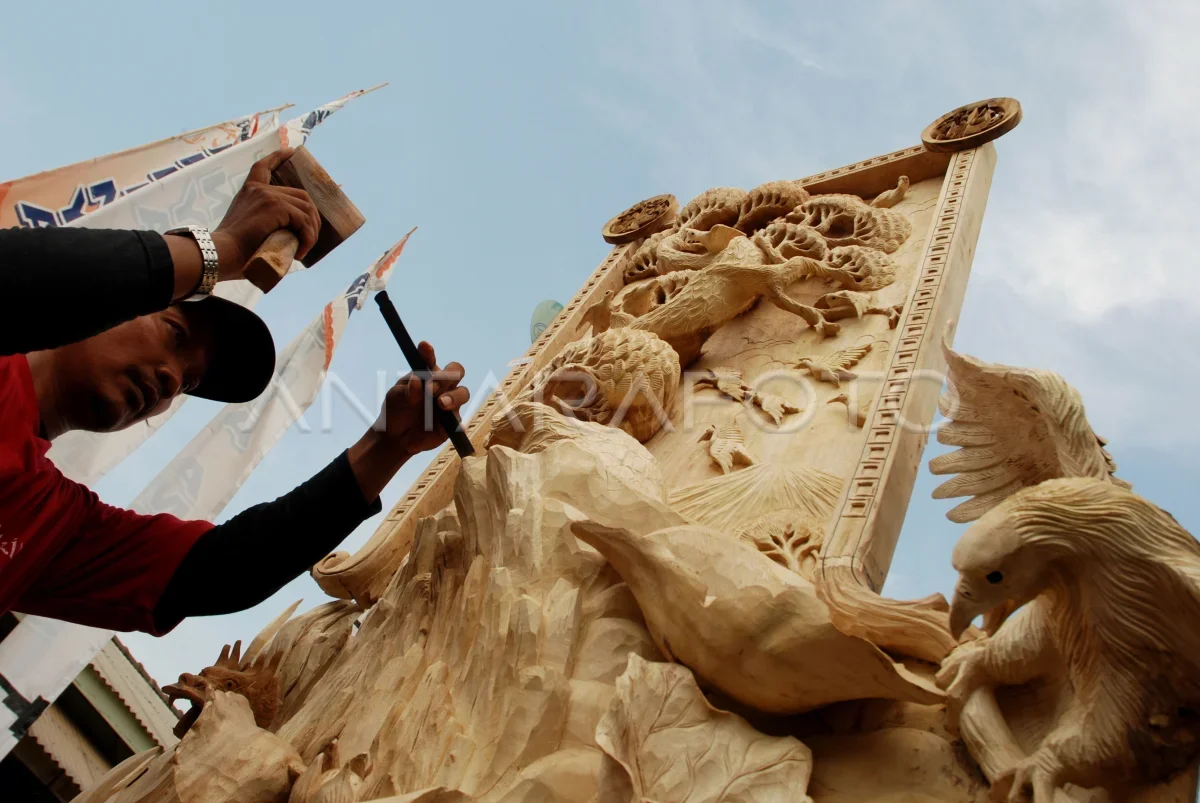
RRI.CO.ID, Jakarta - The Indonesian government is exploring alternative diplomatic routes to secure UNESCO recognition for its traditional woodcarving arts, seeking to bypass the lengthy queues associated with standard heritage nominations.
Speaking on the sidelines of the Tatah exhibition at the National Museum in Jakarta on Wednesday, April 29, 2026, Culture Minister Fadli Zon revealed that the government is considering a safeguarding approach to expedite the inscription of woodcarving as an Intangible Cultural Heritage (ICH).
The shift comes as Indonesia grapples with UNESCO’s strict single nomination cycle, which limits countries to one individual submission every two years. By pivoting toward a safeguarding-based entry, which prioritizes the active preservation and maintenance of the craft, officials hope to accelerate the international recognition of Indonesia’s diverse carving traditions.
"We are in the process because indeed the registration or inscription at UNESCO for a single nomination is only once every two years per country. We will find a way, perhaps through a safeguarding approach," Fadli told reporters during a press interview, as quoted by Antara.
Beyond the safeguarding route, the Ministry of Culture is also weighing the possibility of a joint nomination. This would involve collaborating with other nations that possess similar woodcarving legacies, a tactic that often receives more favorable or frequent consideration under UNESCO’s current framework for protecting global heritage.
"For the extension, we are also exploring the possibility of cooperating with countries that have similarities or shared traditions in maintaining and preserving the art of carving," the Minister added.
The push for global status has gained significant momentum from local leaders in Central Java, particularly from the Jepara Regency, Central Java, a historic epicenter of the trade. Local authorities have been vocal about protecting the intellectual property of their artisans while elevating the craft's prestige on the world stage.
"The art of carving from Jepara is evidence of the richness of the nation's ancestral heritage, so we are striving to obtain UNESCO ICH status, while also continuing to introduce Jepara's carving works to all corners of the world," said Jepara Regent Witiarso Utomo.
The regency’s advocacy has reached the highest levels of government, including a recent consultation with People's Consultative Assembly (MPR) Deputy Lawmaker Lestari Moerdijat. The effort is further bolstered by technical expertise from Ismunandar, a former Indonesian Permanent Delegate to UNESCO who now serves as an expert staff member for the Ministry of Culture.
Indonesia’s urgency is underscored by international precedents. In 2017, Bosnia and Herzegovina successfully secured UNESCO status for its Konjic woodcarving.
As Indonesia looks to join those ranks, the government remains focused on ensuring that its ancestral carving techniques are not only celebrated but structurally protected for future generations. ***
News Recomendation
Loading latest news.....