



Kudus Secures Heritage Status for Guyang Cekathak Tradition
- 24 Apr 2026 14:26 WIB
- Voice of Indonesia
Key Points
- Kudus has received national heritage status for the Guyang Cekathak tradition, preserving a ritual linked to Sunan Muria.
- The recognition aims to protect local culture and promote awareness among future generations.
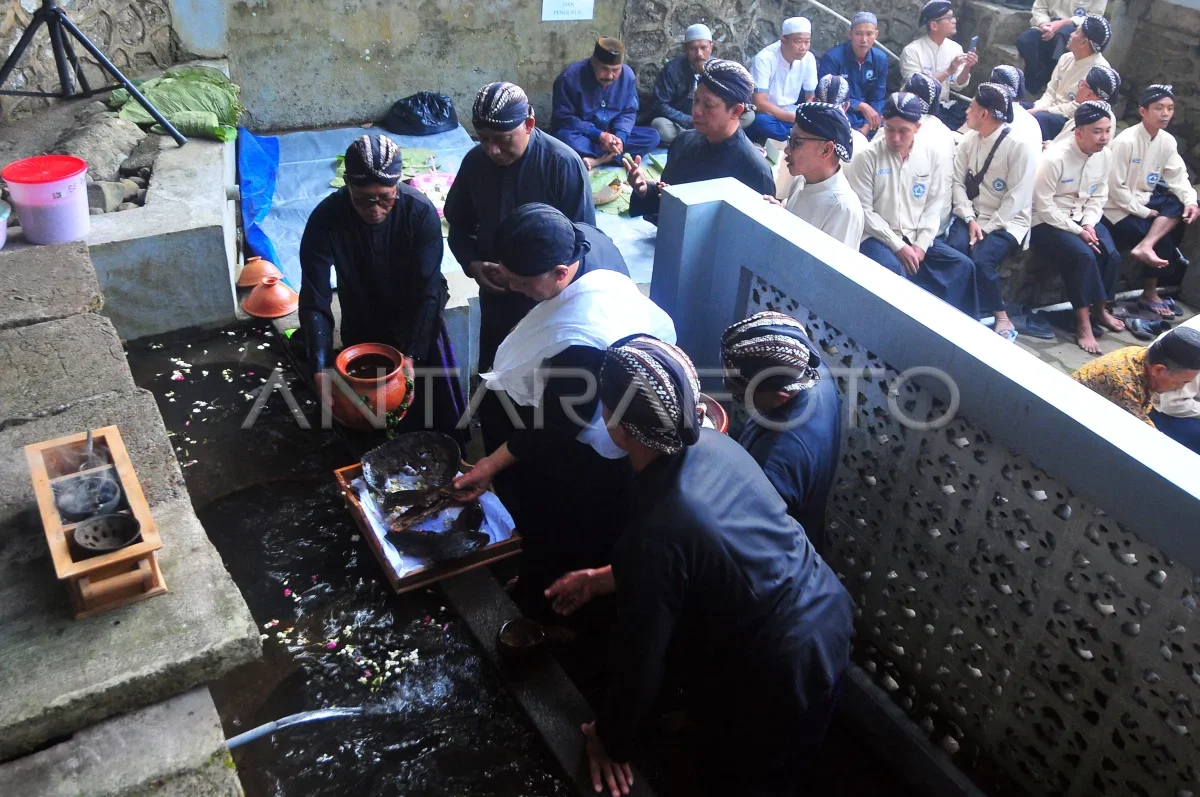
RRI.CO.ID, Kudus - The Kudus Regency Administration in Central Java has officially secured national recognition for Guyang Cekathak, a traditional rain-requesting ritual deeply rooted in the legacy of Sunan Muria. The Ministry of Education, Culture, Research, and Technology, through the Central Java Provincial Administration, awarded the Intangible Cultural Heritage (WBTB) certificate to the Kudus Culture and Tourism Agency (Disbudpar) on Tuesday, April 21, 2026.
Acting Head of Disbudpar Kudus, Teguh Riyanto, accepted the certificate from Hanung Triyono, Head of the Central Java Culture, Tourism, and Creative Economy Agency, in Semarang. The recognition serves as a legal and cultural safeguard to ensure the tradition remains a permanent fixture of Indonesia’s national identity.
"We received the certificate as an effort to support and protect cultural works and intangible heritage, so they do not become extinct," Teguh said in Kudus on Friday, April 24, 2026, as quoted by Antara.
The tradition dates back to the era of Sunan Muria, one of the Wali Songo (Nine Saints of Islam in Java). Historically, during severe droughts, the community would seek the saint's intercession to pray for rain. The ritual originally involved washing Sunan Muria’s horse at the Sendang Rejoso spring.
Etymologically, guyang means to wash or bathe, while cekathak refers to the horse's saddle or hoofprint. Today, since the horse is no longer alive, the community uses Sunan Muria’s original wooden saddle as a symbolic medium.
The ritual in Colo Village is organized as a multi-day spiritual event that follows a specific sequence of traditional practices. On the eve of the ritual, the cekathak is removed from storage following Maghrib prayers, which is then followed by manaqib and tahlil led by the Sunan Muria Foundation.
The following day, a procession of residents and pilgrims carries the saddle to the Sendang Rejoso spring while accompanied by selawat and the rhythmic sounds of traditional terbang papat percussion. Once they arrive at the site, the saddle is washed with water from the Rejenu source using a coconut shell ladle, and the runoff water is often sprinkled onto the participants as a symbolic gesture for the arrival of rain.
The entire event concludes with a communal feast known as bancakan, after which the saddle is dried and returned to its original place within the Sunan Muria tomb complex.
The recognition of Guyang Cekathak is part of a broader push by the Kudus administration to protect local culture. Disbudpar Kudus is currently preparing academic studies to propose 13 additional cultural assets for WBTB status in 2026.
These include local culinary staples like Jenang Kudus, Soto Kebo, and Sate Kebo, as well as traditional crafts and customs like Bordir Icik and the Gusjigang philosophy. ***
News Recomendation
Loading latest news.....