



Candi Sewu and Ratu Boko Need Accelerated Restoration
- 20 Apr 2026 08:38 WIB
- Voice of Indonesia
Key Points
- Minister Fadli Zon urges faster restoration of Candi Sewu and Ratu Boko Palace to strengthen cultural preservation and tourism.
- The initiative promotes multi-sector funding and aims to boost regional economies through heritage-based tourism.
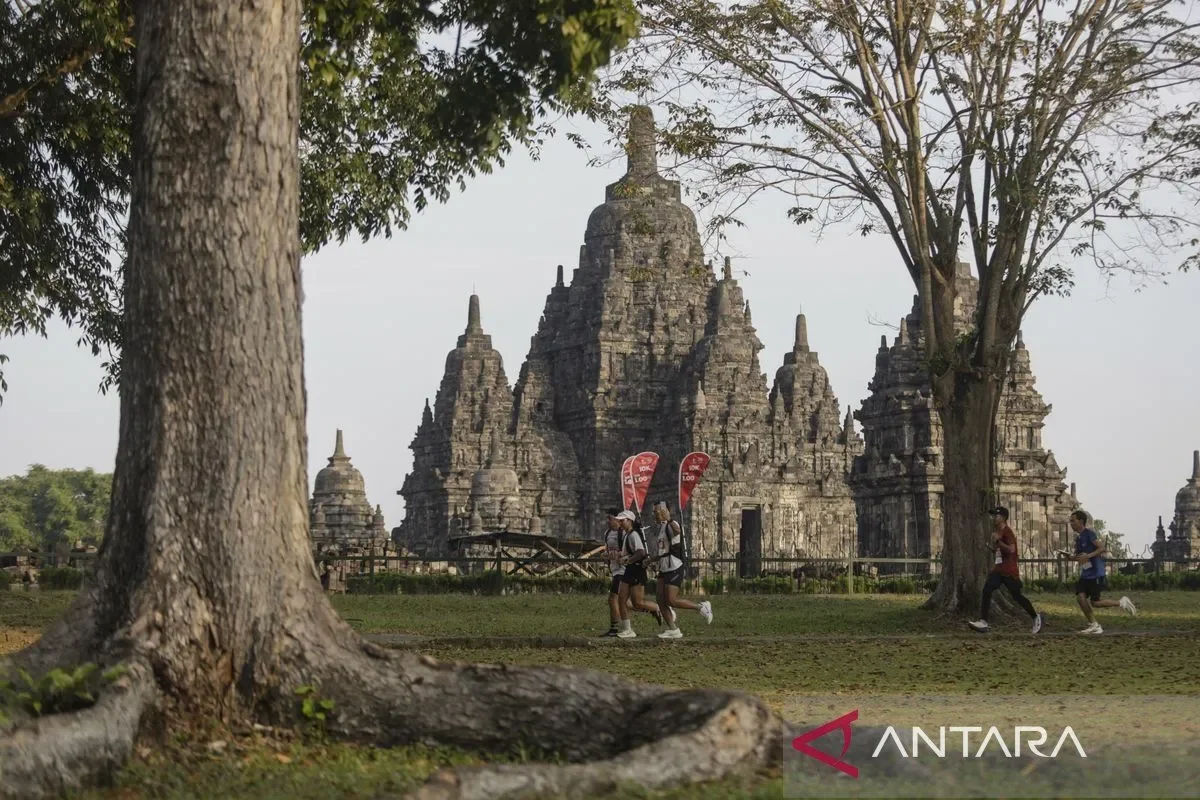
RRI.CO.ID, Yogyakarta -Indonesian Minister of Culture, Fadli Zon, conducted a strategic field visit to Central Java and the Special Region of Yogyakarta on Friday, April 17, 2026, focusing on the preservation and tourism potential of the Candi Sewu complex and the Ratu Boko Palace. During the visit, the Minister underscored that accelerating restoration efforts is vital for maintaining Indonesia's national identity and economic growth.
At Candi Sewu, a Buddhist complex dating back to 792 AD according to the Manjusrigrha Inscription, the Minister highlighted the immense scale of the site. The complex traditionally consists of one main temple, eight apit (flanking) temples, and 240 perwara (guardian) temples.
Minister Fadli emphasized that restoration is a strategic investment rather than just a preservation task. "A proactive strategy is needed to seek support from various parties, namely the central government, regional administration, and the private sector, to fund further restoration," he explained, as quoted on Ministry's official website.
The working visit continued to Keraton Ratu Boko, a national cultural heritage asset spanning approximately 16 hectares in Sleman. This 8th-century site is unique for its authentic combination of Hindu and Buddhist structures, featuring iconic gates, ritual bathing pools (petirtaan), and grand pavilions (pendopo).
The Minister encouraged the public to experience the site firsthand. "We hope that more people will visit Ratu Boko. Here, we can enjoy a sort of 'time travel' into the past with the extraordinary legacies of our ancestors," Minister Fadli remarked.
The Ministry of Culture remains committed to integrating heritage preservation with sustainable national development, ensuring that cultural assets play a vital role in the country's future. To achieve this, the recent visit focused on several key objectives, primarily the accelerated restoration of temple structures through the securing of multi-sectoral funding.
Additionally, the Ministry is prioritizing tourism diversification by strengthening the site’s position as a multifaceted hub for cultural, historical, and religious tourism. Ultimately, these efforts are designed to create a positive economic impact, ensuring that the physical and historical integrity of these sites provides a direct and lasting economic boost to the surrounding regions.
Furthermore, the emphasis on Ratu Boko as a "time travel" experience reflects a move toward experiential tourism. Unlike the densely crowded Borobudur or Prambanan, Ratu Boko offers a sprawling, landscape-based narrative that appeals to travelers seeking tranquility and historical depth. ***
News Recomendation
Loading latest news.....