



See Hin Kiong Temple in Padang Deserves National Heritage Status
- 16 Apr 2026 11:29 WIB
- Voice of Indonesia
Key Points
- Minister Fadli Zon visited See Hin Kiong Temple, estimated to have been built in 1841, to support its preservation as a symbol of cultural harmony.
- The government plans revitalization and aims to elevate the temple to National Cultural Heritage status.
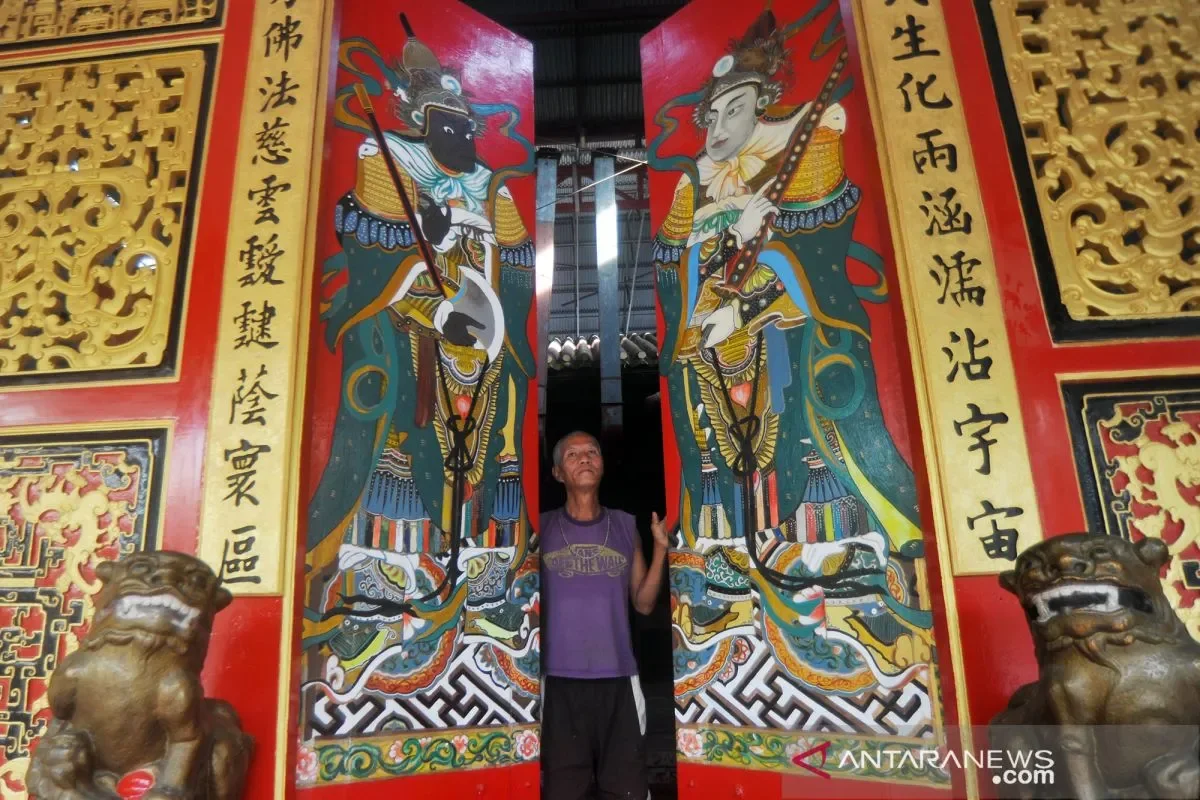
RRI.CO.ID, Padang - See Hin Kiong Temple is one of the oldest temples in the Padang region, West Sumatra, estimated to have been built in 1841. The temple is a tangible manifestation of the long-standing acculturation between Chinese and Minangkabau cultures.
Indonesian Minister of Culture, Fadli Zon, visited the temple on Wednesday, April 15, 2026. The visit underscores the Ministry’s commitment to preserving ancient houses of worship and celebrating them as symbols of Indonesia’s diverse cultural fabric.
"See Hin Kiong Temple is one of the oldest temples in the Padang region, estimated to have been built in 1841," the Minister said, as quoted on the Ministry's official website.
He emphasized that the temple holds significant historical and social value, representing a living record of cultural harmony in West Sumatra.
While the temple is currently recognized as a provincial-level cultural heritage site, the Ministry is moving to elevate its status. He highlighted the temple's resilient history, noting that after a fire in the 1860s, it was meticulously renovated in 1890.
Minister Fadli Zon outlined a clear roadmap for the site, beginning with a revitalization and research phase where the government will initiate a restoration process paired with in-depth studies of the temple’s historical and socio-cultural significance. Following these efforts, the Ministry aims to achieve national designation by officially elevating See Hin Kiong to a National Cultural Heritage site.
To ensure the temple's legacy is preserved, he also called for rigorous historical documentation to map its role in the archipelago’s history. He specifically highlighted the importance of its presence in early colonial visual records, such as the works produced by pioneering photographers Woodbury and Page around 1857, as vital evidence of its long-standing cultural impact.
The Chairman of See Hin Kiong Temple, Tan Kim Siong, welcomed the government's support, affirming that the temple serves as a vital collective memory for the Chinese community in Padang. Its unique architecture represents a dynamic cultural blend and serves as a center for spiritual values passed down through generations.
The visit was attended by Padang Mayor Fadly Amran and various high-ranking officials from the Ministry of Culture. Closing his visit, Minister Fadli Zon expressed hope for a strong synergy between the central and regional governments.
“We will revitalize this temple together with careful planning. After revitalization, we hope See Hin Kiong Temple can serve as a living heritage, a museum, and a cultural tourism destination,” he concluded.
The push to elevate See Hin Kiong Temple to a National Cultural Heritage site is a strategic move in inclusive historiography. By documenting its existence through 19th-century photography, the Ministry is using empirical evidence to anchor the Chinese-Indonesian narrative firmly within the national identity.
This approach effectively transitions the site from a local landmark to a national treasure, ensuring that the story of Padang’s diversity is preserved with the highest level of legal protection.
Furthermore, the vision to transform the temple into a living heritage museum demonstrates a modern approach to preservation. Rather than treating the site as a static monument, the Ministry aims to integrate it into the local tourism economy.
This creates a sustainable model where the temple continues its primary function as a house of worship while simultaneously educating the public and driving regional development through cultural diplomacy. ***
News Recomendation
Loading latest news.....