



Archaeologists Reveal Colonial-Era Structures at Speelwijk Fort, Banten
- 11 Apr 2026 22:30 WIB
- Voice of Indonesia
Key Points
- Archaeologists uncover VOC-era building structures and bullets during excavations at Speelwijk Fort in Banten.
- Preserving the site is challenging as limited public space forces residents to use the heritage area for community activities.
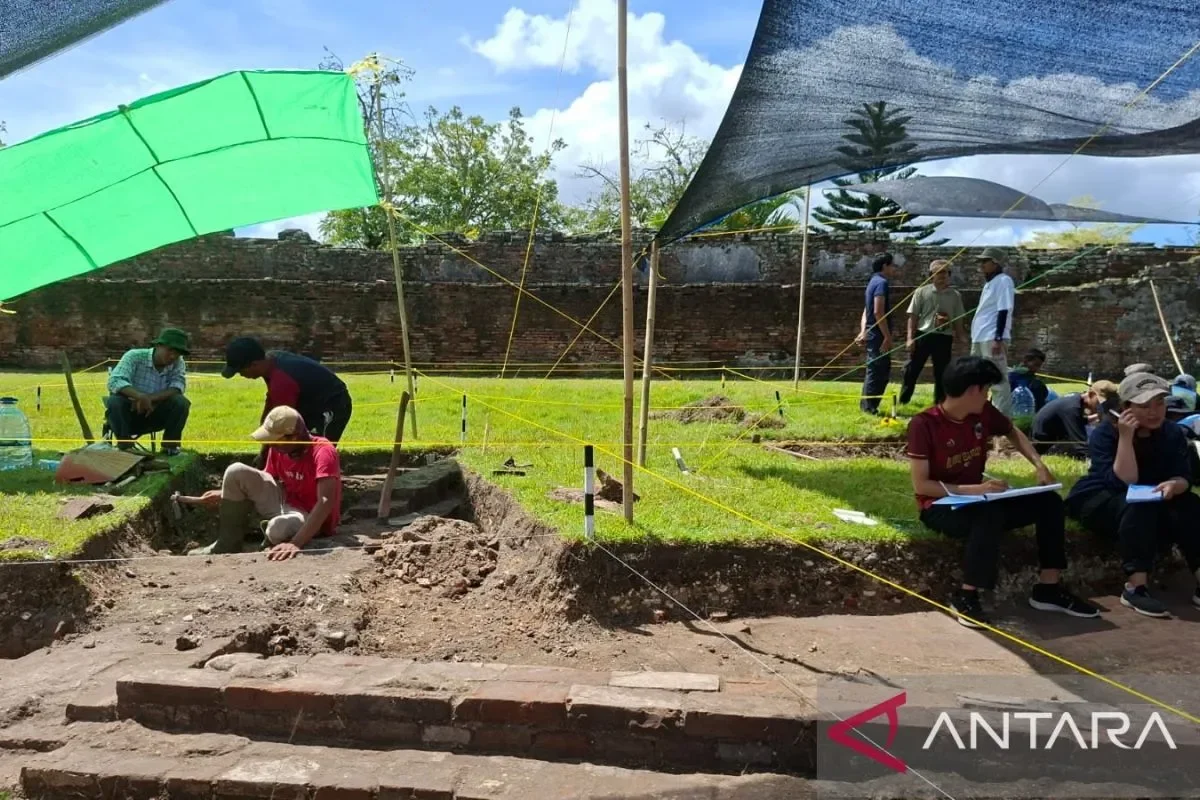
RRI.CO.ID, Serang - Speelwijk Fort, located in Kasemen Subdistrict, Serang City, Banten Province, was built by the Dutch East India Company (VOC) between 1681 and 1684.
Named after Governor-General Cornelis Janszoon Speelman, the fort was constructed after the VOC secured exclusive trading rights in Banten through a treaty with Banten's Sultan, Abdul Kahar Abun Nazar, also known as Sultan Hadji. The fort served as a strategic defense post and symbol of Dutch control over the pepper trade in western Java.
Archaeologists from the Banten Region VIII Cultural Preservation Center have now uncovered intact building foundations and floor structures during excavations on the fort’s east side.
“This year’s excavation is a continuation of last year’s project. We are researching the interior of the fort’s east side, aiming to clear the land according to the specified layout. So far, we have found former building foundations and intact floor structures,” said Adita Nofiandi, a cultural official at the Banten Cultural Preservation Center, in Serang on Saturday, April 11, 2026, as quoted by Antara.
In addition to the building structures, the team discovered fragments of foreign ceramics, metal objects, and artifacts from the VOC era. “Yesterday, our colleagues found round bullets typically used for pistols during the VOC period. This strengthens evidence of activity in the fort area during the colonial era. We also uncovered a brick and terracotta floor structure whose orientation matches previous findings,” Adita said.
He emphasized that the newly discovered building structures will remain visible and not be reburied, helping to complete the historical narrative of the site and its cultural patterns.
Adita also highlighted challenges in preserving the cultural heritage area, which local residents often use for sports such as soccer, due to limited public open spaces. “This is indeed a dilemma. On the one hand, we must protect cultural heritage. On the other hand, the community needs space for expression. We hope the local administration can provide residents with sports facilities so that the use of cultural heritage sites remains in accordance with Law No. 11/2010,” he said.
The excavation, which involves a team of students, is scheduled to continue until the end of next week. The findings will be documented and processed for future historical research in the Banten region. ***
News Recomendation
Loading latest news.....