



7 Easter Traditions in Indonesia for Christian Religious Tourism
- 03 Apr 2026 13:08 WIB
- Voice of Indonesia
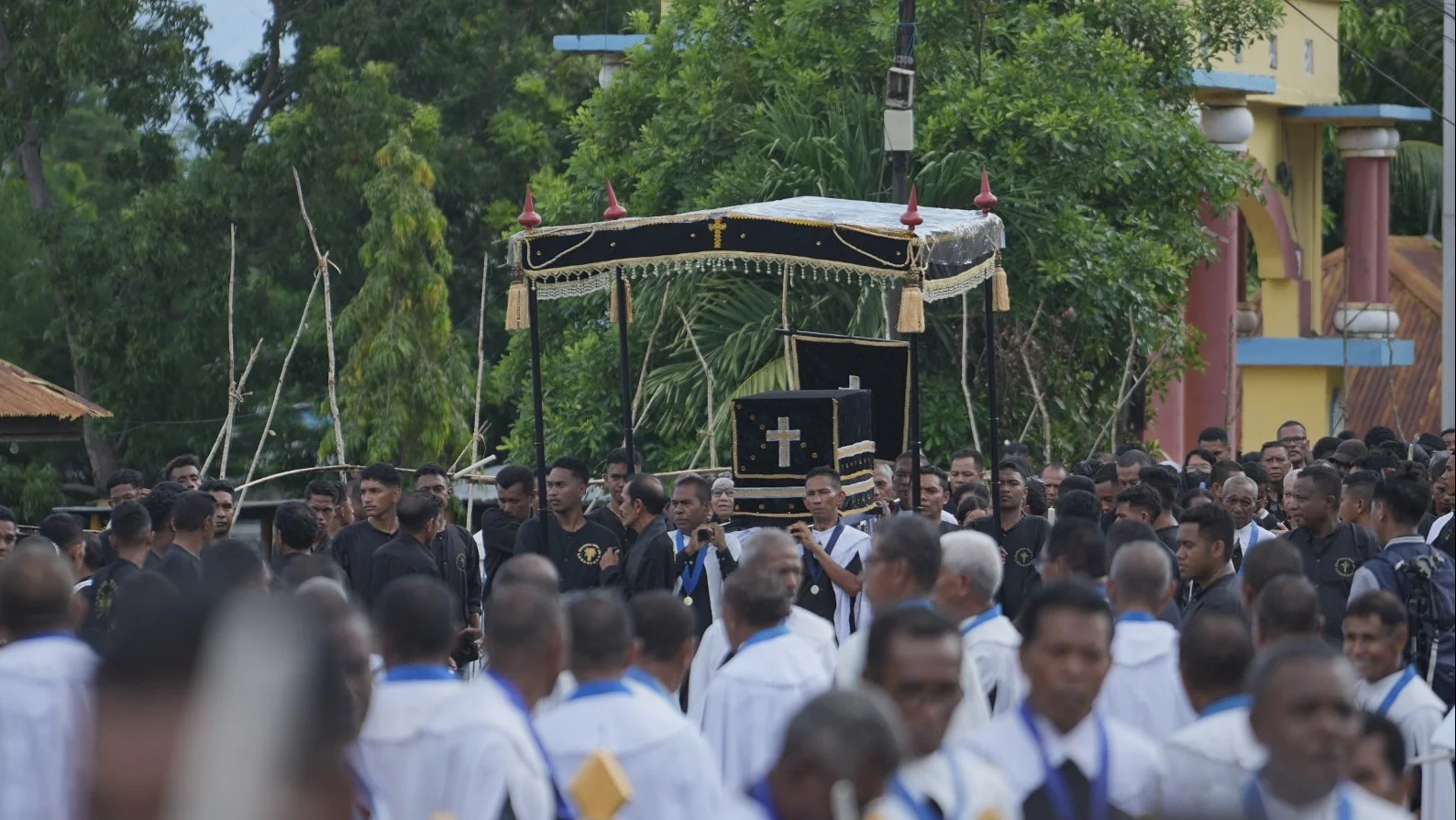
RRI.CO.ID, Jakarta - Easter is often associated with symbols like rabbits and Easter eggs, traditions that originate from modern Western culture. However, in various regions of Indonesia, Easter celebrations are also enriched with unique rituals and local customs. Here are 7 interesting Easter traditions in Indonesia that can be options for religious tourism.
1. Semana Santa – East Flores
Semana Santa, which means “Holy Week” in Portuguese, is a distinctive tradition of the people of East Flores, East Nusa Tenggara. This tradition has developed into a blend of cultural parade and religious celebration that also attracts tourists.
Semana Santa is held after Good Friday and begins with a pilgrimage to the Chapel of Tuan Ma, a site honoring the Virgin Mary. The series of rituals includes prayers commemorating the betrayal of Jesus by Judas Iscariot, a purification procession of the Virgin Mary statue, and culminates in a solemn procession of statues of Jesus and the Virgin Mary.
2. Kure – East Nusa Tenggara
Kure is an Easter tradition practiced by the Kote community in Noemuti, North Central Timor, East Nusa Tenggara. This ritual takes place on Maundy Thursday and Good Friday, where local Catholics go on a pilgrimage by walking from one house to another to pray and reflect on the suffering of Jesus Christ.
The name “Kure” comes from the Latin currere, meaning to run or walk. This tradition is believed to date back to Portuguese missionaries in 1642. The Kure procession begins with the cleansing of crosses and statues of Jesus Christ and the Virgin Mary, and ends with offerings such as money, fruits, vegetables, and palm leaves as a form of devotion to God. These offerings are then distributed to pilgrims, prayer groups, and other participants.
3. Way of the Cross Procession at Getsemani Prayer Hill, Tana Toraja
In Tana Toraja, the Way of the Cross during Easter is usually held at Getsemani Prayer Hill in Makale. This site has 14 stations representing the stages of Jesus’ suffering. The pathway to the hilltop is lined with statues depicting the Passion of Christ, creating a deeply reflective spiritual atmosphere. Participants walk from the first to the last station while praying and contemplating Christ’s sacrifice.
4. Momento Mori – Central Kalimantan
“Momento Mori” comes from Latin meaning “remember that you will die.” This tradition is believed to have been introduced in the 19th century during the Dutch colonial period. In Central Kalimantan, Christians perform this ritual on Holy Saturday by gathering at family graves. Throughout the night until dawn, they light candles and decorate the graves with flowers as a sign of respect. At sunrise on Easter Sunday, churches provide tents for pilgrims to continue worship and celebrate Easter.
5. Buha-Buha Ijuk – North Sumatra
Similar to Momento Mori, people in North Sumatra have a tradition of visiting family graves on Easter Sunday, known as Buha-Buha Ijuk. When church bells ring, people leave their homes and walk to their family graves to pray and pay respects. After the pilgrimage, they continue the celebration by attending church services.
6. Way of the Cross – Wonogiri, Central Java
The Way of the Cross tradition dates back to the Middle Ages and is still practiced today. One of the well-known celebrations in Indonesia takes place in Wonogiri, Central Java. Every Good Friday, locals walk about 3 kilometers to the top of Mount Gandul while carrying large crosses. This procession symbolizes reflection on the suffering of Jesus Christ carrying the cross on His way to Golgotha, where He was crucified.
7. Pilgrimage to Maria Cave of Puhsarang, Kediri
The Easter tradition in Puhsarang, Kediri, is a distinctive religious celebration for Catholics, especially those who make a pilgrimage to the Maria Lourdes Cave in Puhsarang. Puhsarang is a village in Semen District, Kediri Regency, known for the Puhsarang Catholic Church and its pilgrimage complex. One of the main traditions is the Way of the Cross drama depicting the suffering of Jesus Christ before His crucifixion. Additionally, after the Easter Vigil Mass, many worshippers continue their devotion at the Maria Lourdes Cave within the Puhsarang complex.
Those are various traditions found in several regions of Indonesia during Easter celebrations. They reflect the richness of culture in Indonesian Easter observances, preserving religious values while enriching local heritage.
News Recomendation
Loading latest news.....