


Sekura Tradition in Lampung Barat Revives Cultural Identity After Eid
- 24 Mar 2026 13:15 WIB
- Voice of Indonesia
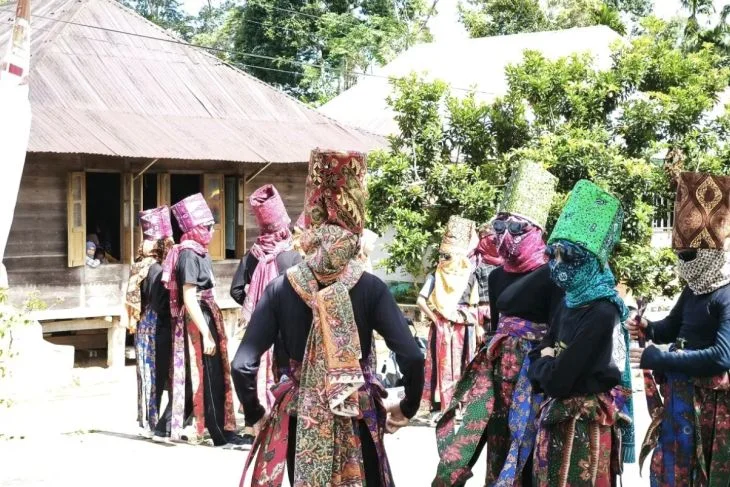
RRI.CO.ID. Bandar Lampung - In an era where globalization often erodes the sharp edges of local identity, the ancient tradition of Sekura Cakak Buah in West Lampung Regency is doing more than just surviving, it is flourishing with a renewed sense of purpose.
This traditional masked festival, which transforms the post-Eid al-Fitr landscape of Muara Jaya II village, has evolved into a powerful symbol of communal resilience, bridging the gap between ancestral history and the aspirations of a modern generation.
The streets of the Kebun Tebu Subdistrict now echo with a vibrant harmony of laughter and rhythmic footfalls as participants don masks to embrace a unique form of cultural anonymity. Within the festival's space, social hierarchies and age gaps effectively vanish, allowing a diverse community to unite in a singular expression of mystery and joy.
Far from being a mere seasonal party, Sekura serves as a vital arena for social reconciliation and the reinforcement of gotong royong (mutual cooperation), traditional values that remain the bedrock of the local social fabric.
The Sekura tradition is built upon a profound philosophical foundation, visually represented through two distinct characters that reflect the complexities of the human experience. Sekura kamak, recognized by "scary" or unkempt masks and the carrying of forest branches, serves as a visceral representation of earthly passions, anger, and the darker impulses of humanity.
In contrast, Sekura betik is characterized by neat, polite, and refined appearances, symbolizing kindness and moral virtue. Together, they create a living stage that acknowledges the eternal balance between good and evil that exists within every individual.
The survival of such an ancient rite is often precarious, yet Lampung Barat is witnessing a significant demographic shift in its cultural guardianship. Regent Parosil Mabsus has expressed profound pride in seeing the muli mekhanai (local youth) emerge as the primary organizers and participants of the event.
For local leaders, this active involvement is a clear indicator that the culture possesses a tangible future rather than becoming a stagnant historical footnote. The Regent noted that even as young people migrate to large cities for education and careers, their return to participate in Sekura ensures that the tradition remains a living, breathing identity rather than a fading memory.
Recognized as an Intangible Cultural Heritage of Indonesia, Sekura is increasingly being viewed through the lens of cultural tourism. Regent Parosil sees immense potential for the festival to become a national and international magnet for travelers seeking authentic cultural experiences.
However, he maintains a firm stance on preserving the marwah or dignity of the tradition, warning against commercialization or the introduction of modern behaviors that might clash with customary norms. He expressed belief that by maintaining a disciplined and respectful exhibition, the community can reap economic benefits without sacrificing the honor of their ancestral heritage.
For residents like Arif, the annual journey home for Lebaran is inseparable from the impulse to wear the mask. He views his participation as a personal commitment to ensuring that the stories of his ancestors are not erased by time. This sentiment is echoed throughout the region, where even small children are introduced to the Sekura betik through simple cloth coverings, embedding the culture into their identity from a young age.
As long as the youth of West Lampung continue to see value in the anonymity and artistry of the mask, the Sekura Cakak Buah will continue to serve as a defiant guardian of memory in an ever-changing world. ***
News Recomendation
Loading latest news.....